
Chicago Mayor Urges UN To Investigate What He Says Are Human Rights Violations in America
The Trump administration, which accuses the Human Rights Council of ‘anti-American bias,’ withdrew the United States from the body in February and is refusing to participate in a routine review of its record.
Chicago’s mayor is urging the U.N. Human Rights Council – a body whose members include notorious abusers such as China, Cuba, Russia, and Qatar – to investigate what he describes as a “worsening human rights crisis” in America under the Trump administration.
The United States, meanwhile, on Friday became only the second country ever to refuse to cooperate with a routine review of its rights record by the council, which the Trump administration has accused of a “deep anti-American bias” and a disproportionate focus on Israel.
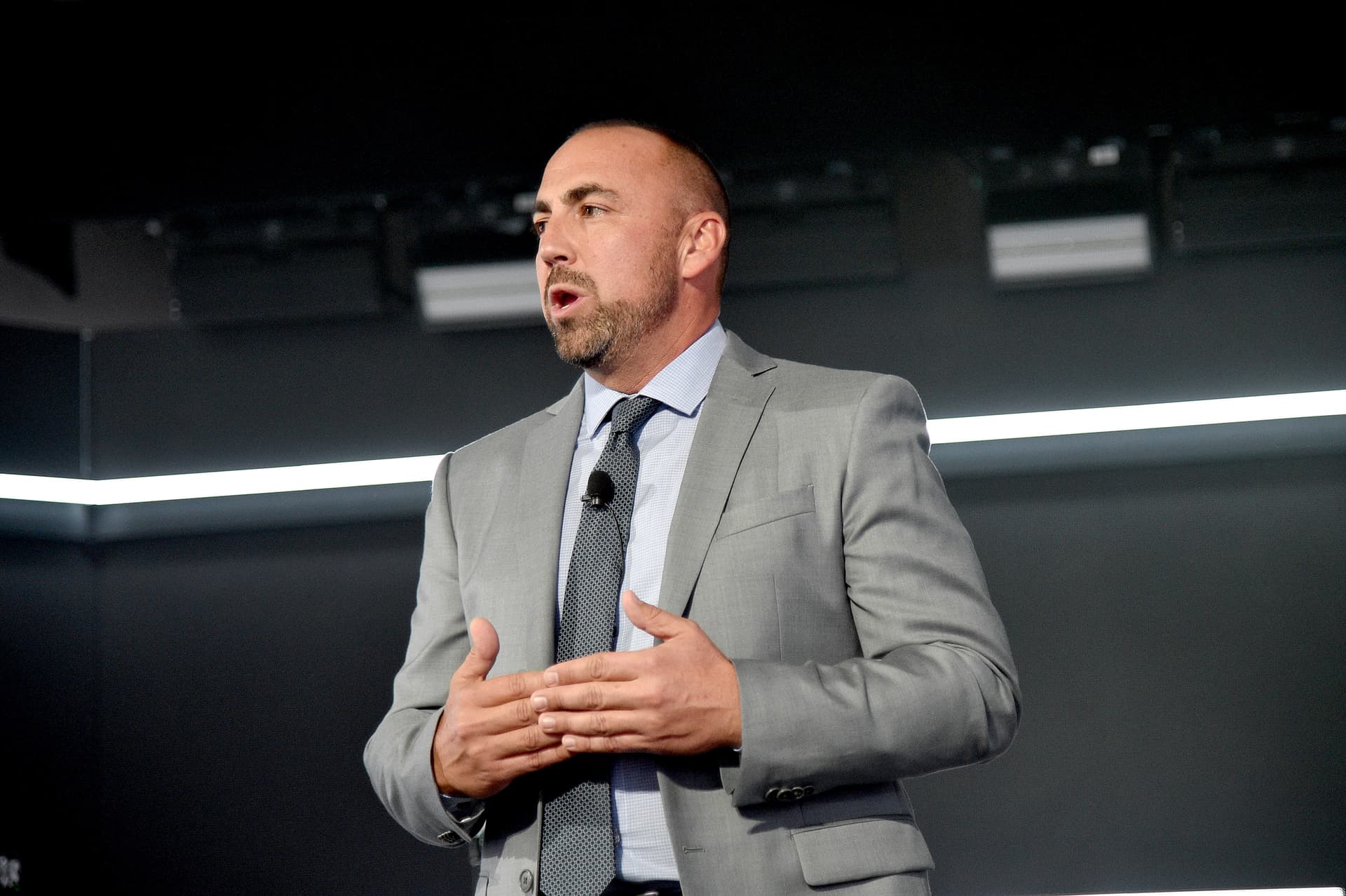
Speaking virtually on Friday to the council in Geneva, Switzerland, Mayor Brandon Johnson urged the U.N. to apply the same scrutiny to America as it does to other nations.
“This administration seeks to evade scrutiny for its violations of human rights – just as it has sought to evade accountability for its actions in cities like mine,” said Mr. Johnson, whose city has been the target of a contentious immigration crackdown.
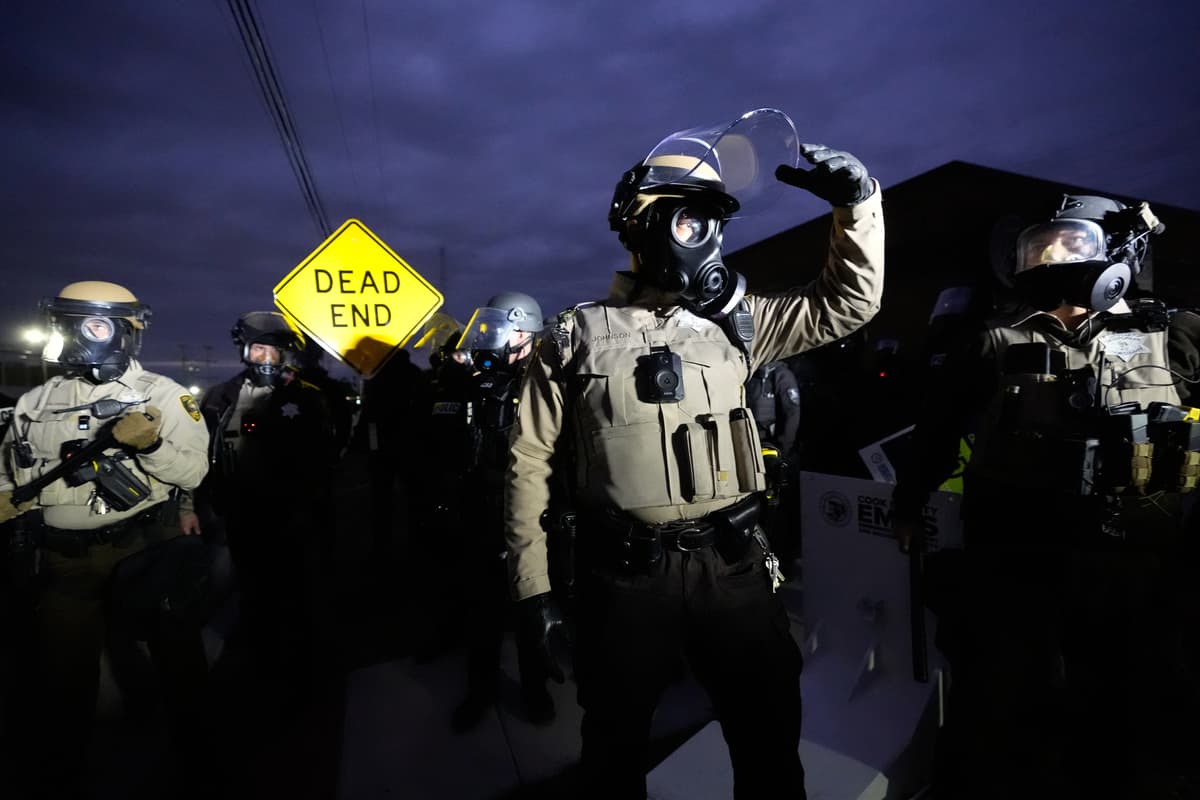
Mr. Johnson cited examples of what he termed “violations,” including the deployment of the National Guard. He described aggressive actions by federal agents in Chicago, such as using tear gas on protesters and forcibly removing parents from cars during school pickups.
“We cannot do this alone. That is why I call on this council to hold the federal government of the United States to the same standards of accountability you apply elsewhere in the world. No country should be above international law. Human rights are universal – or they are meaningless.”
The mayor’s address came during the 50th session of the Working Group for the Universal Periodic Review, a process in which each of the United Nations’ 193 member nations is expected to submit to a routine review of its human rights record every four to five years.
The American representatives remained absent when it came their turn to be reviewed on Friday, leaving the panel unable to proceed. The only country to have previously declined to submit to a review was Israel in 2013, though it did take part nine months later.
The Trump administration’s disdain for the Human Rights Council is long-standing and well documented, based in large part on the inclusion in its membership of some of the world’s worst human rights abusers such as China, Cuba, Russia, and Qatar. The council’s 47 member nations are elected in a secret ballot of the U.N. General Assembly with a fixed number of seats allotted to each of five geographical regions.
Just weeks after taking office, President Trump signed an executive order withdrawing America from the council as well as the U.N. Relief and Works Agency. In presenting the order to Mr. Trump for his signature, the White House staff secretary, Will Scharf, said the decision was taken “in light of the numerous actions taken by a number of bodies of the United Nations which exhibited deep anti-American bias.”
The White House has also complained that the council “has consistently shown itself to be antisemitic and anti-Israel.”
Mr. Johnson, in calling for a human rights investigation of alleged violations in Chicago, condemned federal immigration enforcement in his city and detailed what he called the human cost of violent raids on the city’s communities.
“In Chicago, we live with the consequences of that moral failure every day,” the mayor said. “Families torn apart by immigration raids. Raids that have targeted daycare teachers, ride-share drivers, and restaurant cooks. Honest, hardworking, law-abiding people who contribute to the soul of Chicago, who literally make our city run.”
He reaffirmed Chicago’s status as a sanctuary for immigrants through its Welcoming City Ordinance and community-based “Rapid Response” networks designed to protect residents.
Mr. Johnson concluded his address with an open invitation to U.N. leaders, urging them to visit Chicago to witness firsthand the issues he raised.