China’s Xi Rewrites History
The communist party boss thinks Free China needs to surrender to the communists at Beijing to ‘jointly safeguard the victory of World War II.’
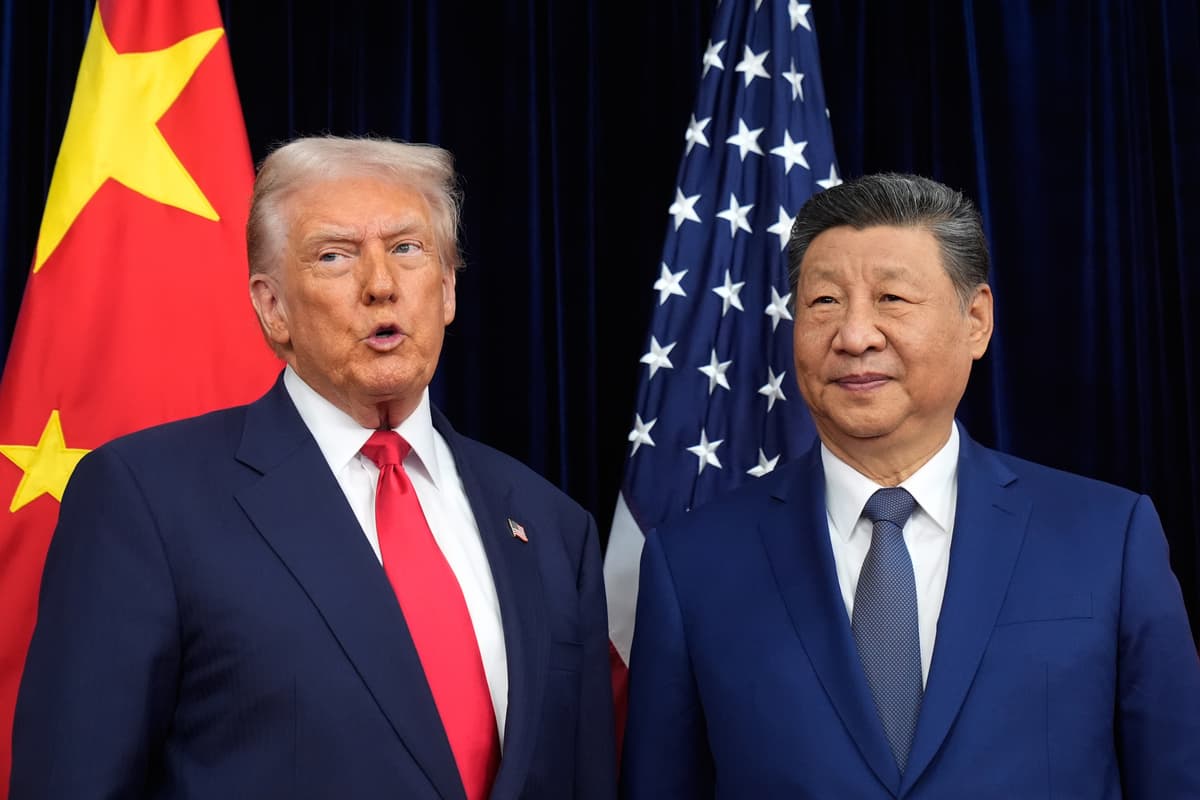

It beggars belief to hear President Xi Jinping tell President Trump that Free China needs to surrender to the communists at Beijing to “jointly safeguard the victory of World War II.” After all, the free Republic of China and America were wartime allies. They helped defeat the Axis powers while Mao’s communists subverted the war effort. After Japan’s surrender, America sidelined Free China, which retreated to Taiwan when Mao captured the mainland.
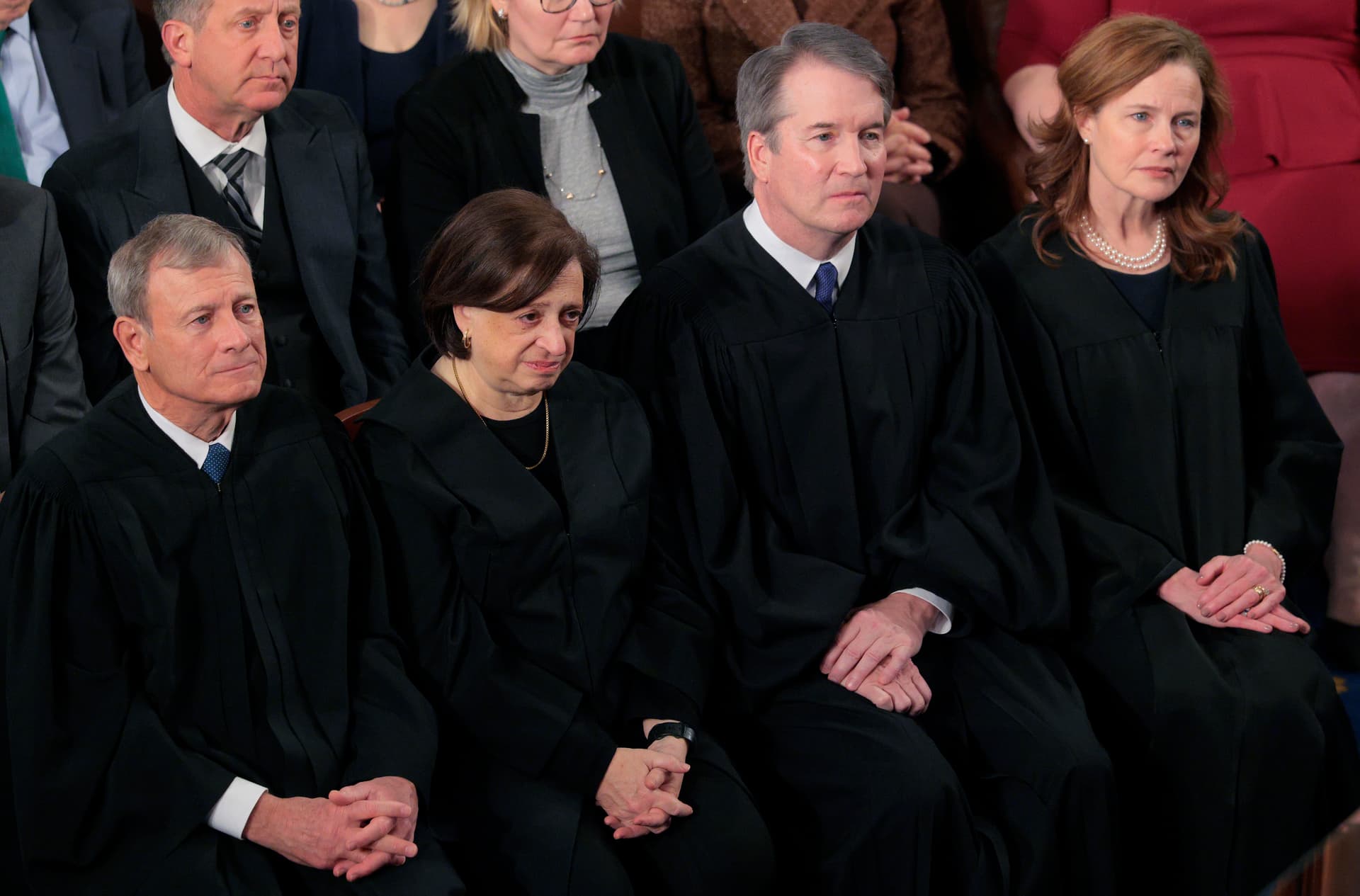
In 1949, Mao declared a “People’s Republic of China.” Yet Mao’s regime was a poor substitute for the Republic forged in 1912 by the pioneer of Chinese democracy, Sun Yat-sen, a New York Sun contributor. After World War II, Sun’s vision for Chinese self-rule eventually blossomed on Taiwan as a vibrant multiparty system took root on the island. Taiwan’s democracy is a rebuke to Beijing’s tyranny — which is why Free China rankles Mr. Xi.
This animus among the mandarins at Beijing informs Mr. Xi’s remarks with Mr. Trump Monday morning. The chairman’s comments, reported by Xinhua, suggest a “Through the Looking Glass”-style inversion of reality. Mr. Xi is trying to convince the president of America — which has for decades defended Free China’s autonomy against Beijing’s depredations — that “Taiwan’s return to China is an integral part of the post-war international order.”
Mr. Xi, in Xinhua’s account, crooned to Mr. Trump that “China and the U.S. fought shoulder to shoulder against fascism and militarism,” making it “even more important” to preserve the settlement that emerged after World War II. That victory in 1945, though, was achieved at the cost of millions of lives by the collaboration of America and the Free Chinese forces under Generalissimo Chiang Kai-shek — not the communists under Mao.
Mr. Xi’s attempt to erase Free China’s role in World War II echoes the misleading rhetoric at Beijing in September during the 80th anniversary celebrations of the end of the conflict. Reuters pointed out then that Mr. Xi and the communists were taking “credit for leading the fighting when most of it was done by forces of what was then the Republic of China.” One imagines that Mr. Trump sees through Mr. Xi’s effort to rewrite history on this head.
Even so, Xinhua reports that Mr. Trump responded to Mr. Xi’s deceptions by noting that “China was a big part of the victory of WWII,” and America “understands how important the Taiwan question is to China.” The White House has offered no details about the discussions over Taiwan, though a visit to the mainland was mooted. One wouldn’t want to read too much into that, per se, though a defense by Mr. Trump of Taiwan would be apt.
By contrast, Japan’s new prime minister, Sanae Takaichi, recently piped up, as the AP reported, to say that the Japanese “military could get involved if China were to take action against Taiwan.” Mr. Trump recently approved some $330 million in arms sales to Taiwan, to the dismay of Mr. Xi’s regime. The sale of weaponry suggests that actions speak louder than words when it comes to the defense of an American ally like Free China.
The longevity of that alliance is worth marking when authoritarian revisionism seems to be on the march. Taiwan’s president grasps the stakes, stressing that the Republic of China and its ideals predate the Beijing regime. It’s in America’s interest to defend that vision. The “dream” of Free China’s founders, including Sun Yat-sen, Lai Ching-te has said, “was to establish a democratic republic of the people, to be governed by the people and for the people.”