
Columbia University’s Presidential Search Drags on as Committee Indefinitely Postpones Deadline
The university is postponing its January deadline as its leadership crisis extends into a third year.
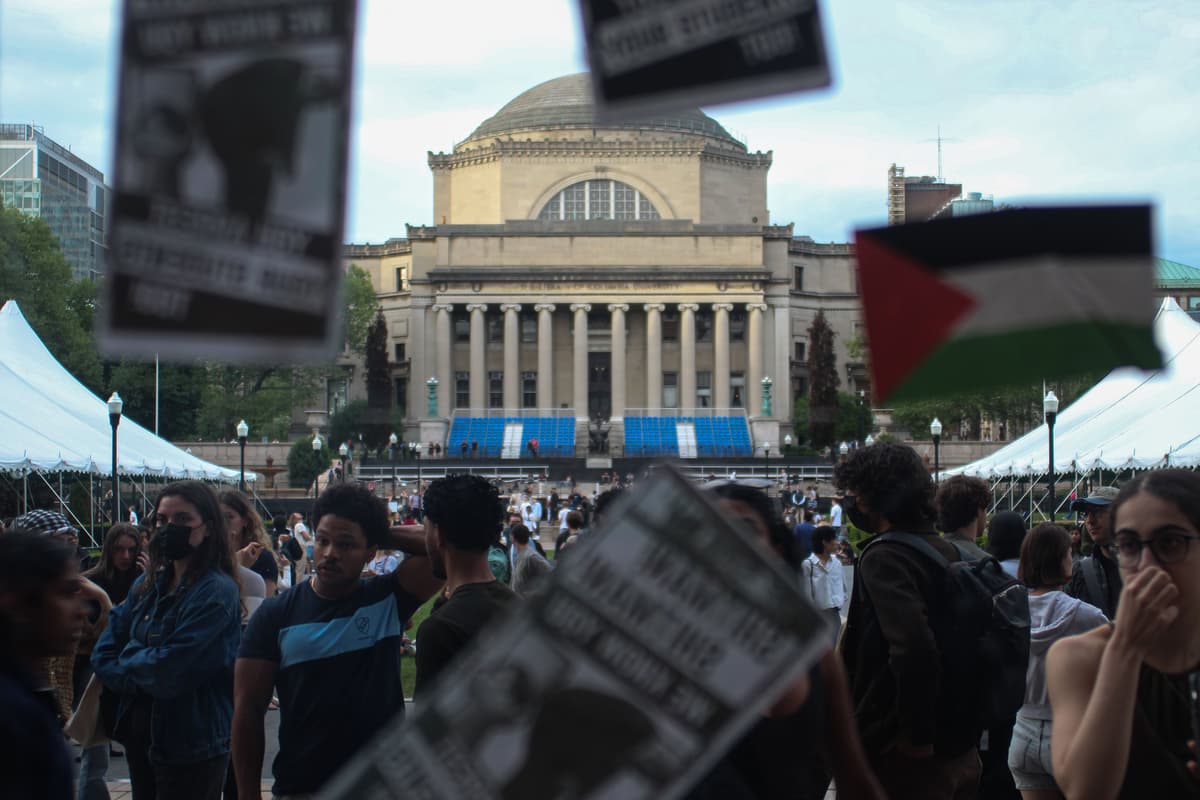
Columbia University is indefinitely postponing its deadline for selecting a new president, the latest sign of difficulty in a search to find the Ivy League school’s fourth leader in three years.
The postponement comes just a month before the January 1, 2026 deadline the Board of Trustees set when it launched the search in April. A statement announcing the decision was signed by board co-chair David Greenwald and three other Columbia affiliates tapped to help with the search.
The committee will extend the process into the new year but declined to set a new target deadline. The four Columbia leaders credited the delay to the “importance of the decision,” noting the additional time would help them “fully understand each candidate’s strengths and potential fit” and identify “the individual best suited to lead Columbia into its next era.”
The committee — composed of Columbia faculty, staff, and alumni — has been tight-lipped about the process, sharing relatively few updates in the eight months since the search began. Mr. Greenwald and the other signatories insisted, however, that the committee was making “excellent progress” and remains “encouraged by the depth and quality of the applicant pool, which reflects both the University’s strong reputation and position and the broad appeal of this leadership opportunity.”
The presidential search has become something of a public spectacle as Columbia’s leadership crisis extends into its third year with no resolution in sight. The revolving door of presidents — along with federal investigations and internal discord — has raised questions about whether qualified candidates are willing to take the job. Although the position in recent years has fetched an annual salary upwards of $4 million, the surrounding circumstances have led commentators to dub it “the worst job in America.”
The trouble began shortly after Hamas’s October 7, 2023, invasion of Israel, when Columbia became the epicenter of the anti-Israel student encampment movement in America. Then-president Minouche Shafik resigned the following summer amid criticism from those who believed she wasn’t doing enough to protect Jewish students from antisemitism and from others who argued she was too harsh on student protesters.
Columbia then named the head of the school’s Irving Medical Center, Katrina Armstrong, as interim president. Dr. Armstrong oversaw the university amid continued anti-Israel protests and the Trump administration’s subsequent freezing of $400 million in federal funds. She resigned just seven months later while negotiating a deal with the government, becoming embroiled in controversy after she was caught telling faculty members that several reforms the school pledged to adopt to combat antisemitism would not actually be required.
The board of trustees then picked its next candidate from its own ranks, appointing former journalist and Columbia board co-chair Claire Shipman as acting president. She has held the position since March and during that time brokered a deal with the government that saw the university pay more than $220 million in penalties and agree to implement a slew of policy changes.
While Ms. Shipman’s cooperation with the administration has drawn praise from President Trump, the Columbia leader has faced backlash from members of the community who have likened her approach to submission. Ms. Shipman has challenged that narrative, insisting that “following the law, attempting to resolve a complaint is not capitulation. That narrative is incorrect.”
Ms. Shipman’s unpopularity among the student body was on display during Columbia’s most recent graduation ceremony, when her speech was drowned out by heckles and boos. In contrast, Harvard president Alan Garber, who has taken a more defiant approach to the administration, has become something of a folk hero on campus.
A school-wide survey issued by the committee over the summer showed that members of the Columbia community believe the next president should prioritize supporting research and scholarship, affirming the school’s commitment to academic freedom, and recruiting and retaining impressive faculty.
The survey respondents also favored candidates who have experience leading complex organizations, the ability to navigate a polarized political environment, and a deep understanding of research and scholarship.