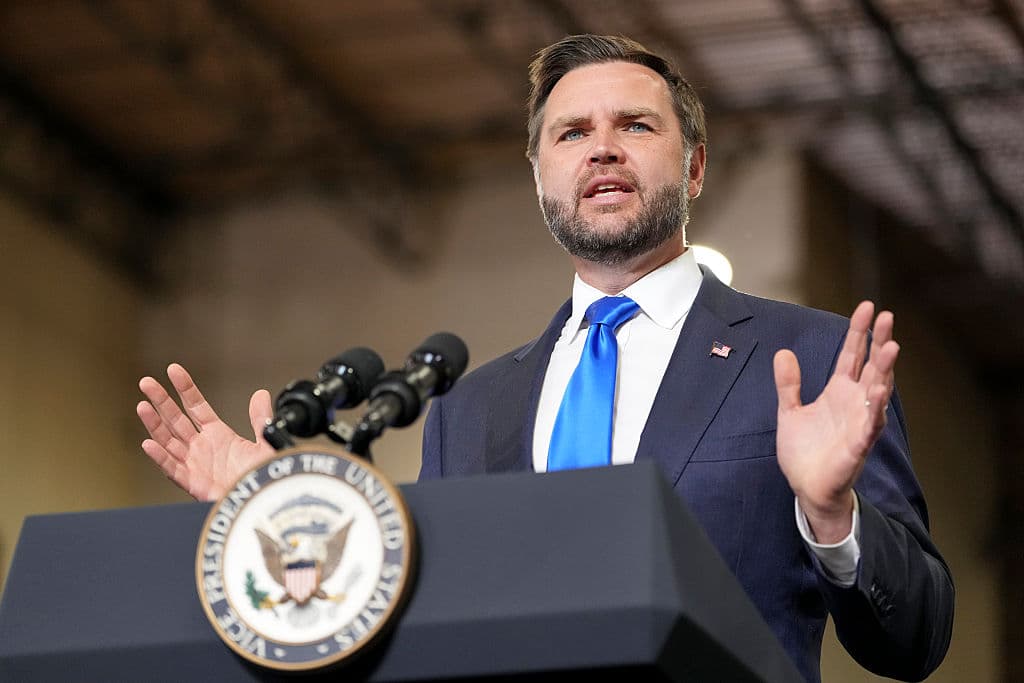
Congress Girds for Release of Much-Anticipated Epstein Files
The president for months fought with his own base to try to keep the files under seal.
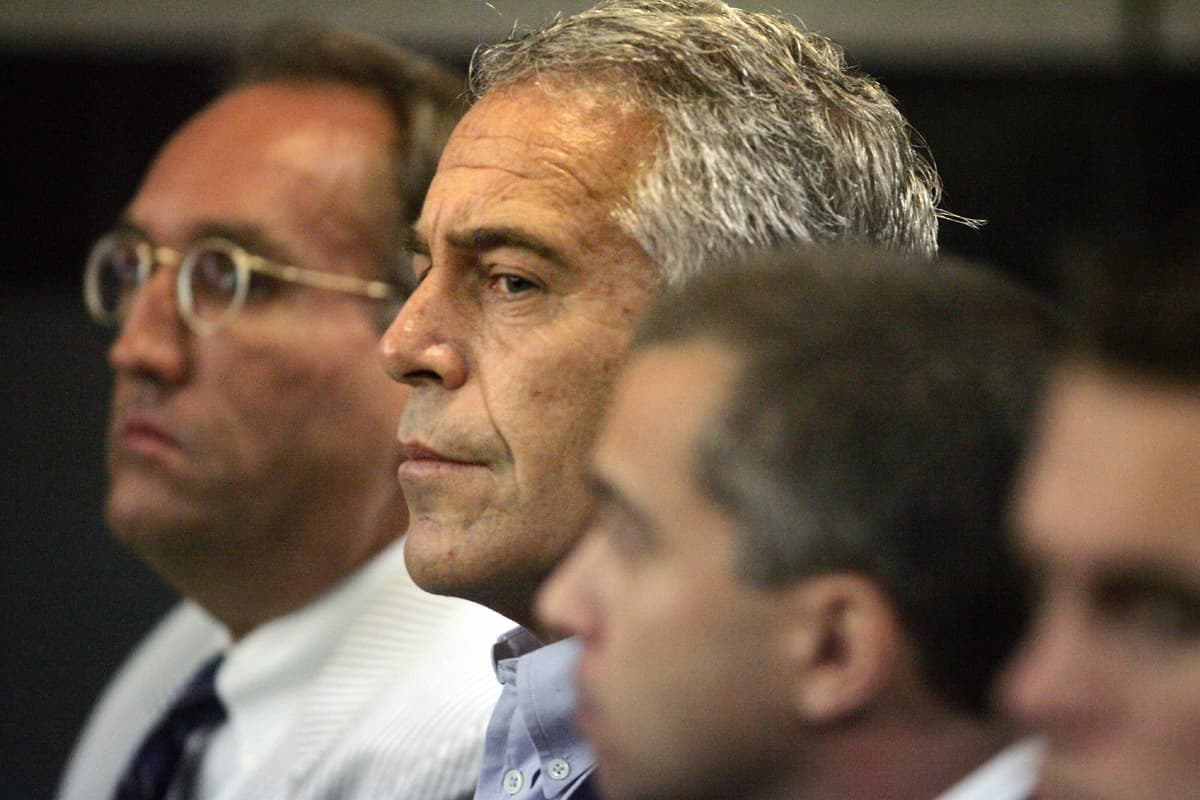
The American public on Friday will finally gain access to the Justice Departmentâs records related to notorious pedophile Jeffrey Epstein, who for decades enjoyed a stunning level of access to some of the worldâs most powerful and famous individuals. Attorney General Pam Bondi is required, by law, to turn over all records to the public by the end of the day on Friday.
The bipartisan effort to force a disclosure of the files kicked off over the summer, after Ms. Bondi said in a memo that no additional files on Epstein would be made public. Shortly after being sworn in as attorney general, Ms. Bondi claimed to have a list of Epsteinâs âclientsâ on her desk, only to renege on that claim, which became a point of embarrassment for the White House.
After that debacle, a Republican congressman, Thomas Massie, and a Democratic congressman, Ro Khanna, forced legislation to the floor of the House via a procedural mechanism that allowed them to circumvent Speaker Mike Johnsonâs opposition. The bill eventually passed the House with only one Republican voting no, while the Senate passed it unanimously. President Trump signed it days later.
Mr. Massie, who has gone to war with the president over the issue, said on Thursday that lawmakers will quickly know if Ms. Bondi has turned over all required documents. Epsteinâs victims will be key to that, the congressman says.
âThe other way weâre gonna know is that the victimsâ lawyers have been in contact with me, and collectively, they know that there are at least 20 names of men who are accused of sex crimes in the possession of the FBI,â Mr. Massie said. âIf we get a large production [of documents] and it does not contain a single name of any male whoâs accused of a sex crime or a sex trafficking or rape or any of these things, then we know they havenât produced all the documents.â
The legislation from Messrs. Massie and Khanna, the Epstein Files Transparency Act, requires that Ms. Bondi âmake publicly available in a searchable and downloadable format all unclassified records, documents, communications, and investigative materials in the possession of the Department of Justice.â Those records include information in the possession of the FBI and various United States attorneys offices.
Some have raised concerns that Ms. Bondi could miss the deadline or stonewall with respect to the files. Mr. Massie, however, says he expected the Justice Department to comply because, hypothetically, Ms. Bondi could be prosecuted by a future administration for not complying with the Epstein files disclosure bill.
âThe statute of limitations will not have run out on non-compliance with this law,â Mr. Massie said.
Lawmakers who forced the Epstein files disclosure bill to the floor were not satisfied when Mr. Johnson opened an investigation into the matter via the House Oversight Committee. That bipartisan investigation has included subpoenas being sent to the Justice Department, the FBI, and Epsteinâs own estate â something most House Republicans said would be sufficient for them as opposed to Mr. Massieâs bill.
That investigation has already yielded some results, though Mr. Massie says it is not sufficient. He has said for months that allowing Ms. Bondi â who denied the files even really existed â to cherry-pick which documents should be released is not an acceptable proposition.
The Oversight Committeeâs probe has deepened the publicâs understanding of Mr. Trumpâs relationship with Epstein, including the alleged birthday letter in which the president seemingly made sexual innuendos to celebrate Mr. Epstein. He has denied that the letter is his, and is now suing the Wall Street Journal for reporting on that instance.
Several other prominent individuals â including President Clinton, Senator George Mitchell, Lord Peter Mandelson, and Andrew Mountbatten-Windsor, formerly known as Prince Andrew â were also closer to Epstein than previously known. Messrs. Clinton and Mitchell both wrote notes to Epstein for his birthday, and Lord Mandelson and Mr. Mountbatten-Windsor were corresponding with Epstein long after he had pleaded guilty to charges related to having sex with a minor.
The only information Ms. Bondi is legally allowed to keep under wraps are certain details about victims and other government secrets. The law requires Ms. Bondi to redact the names of victims who do not wish to be identified, and states that she can redact information related to national security or ongoing investigations. Any kind of child pornography will also be kept from public view.