Conservative South Koreans Gather at Washington To Denounce Their Country’s New Leftist President
They say that the regime of President Lee Jae-myung has forced the South Korean press not to report or comment on their impassioned criticism.
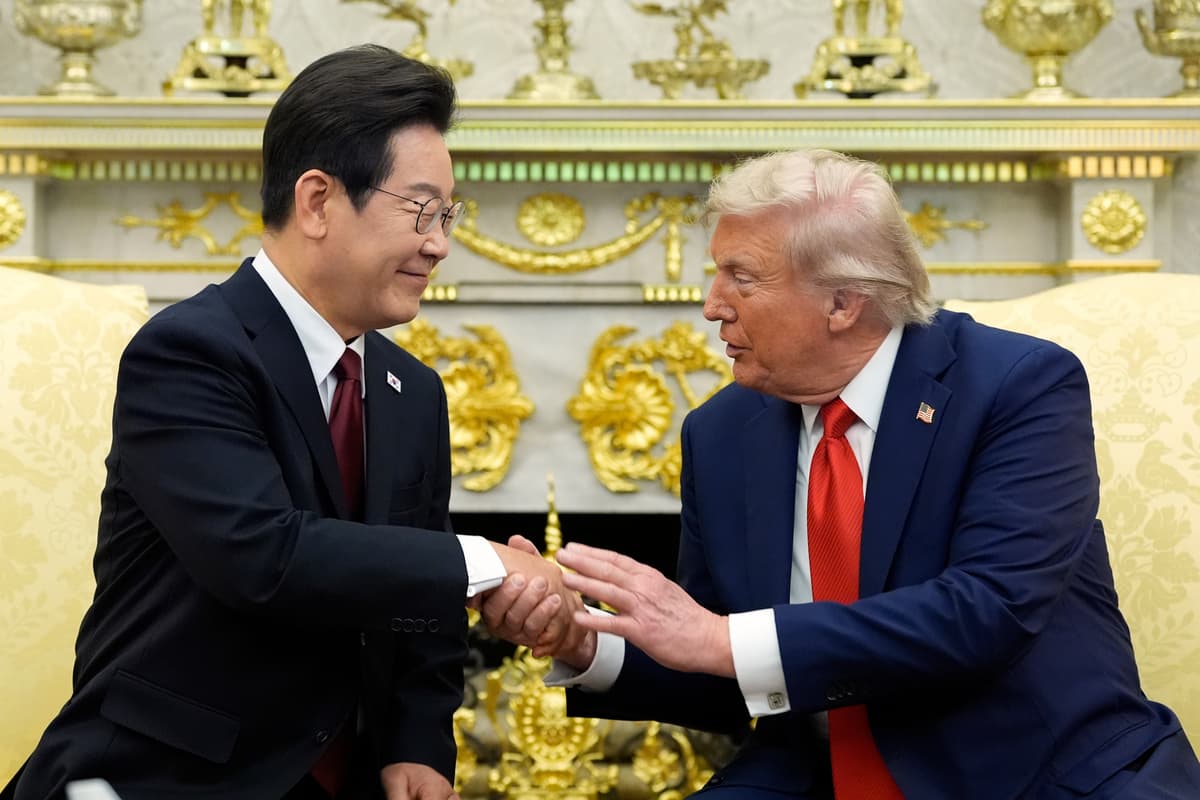

Koreans living in America are campaigning against South Korea’s leftist president, Lee Jae-myung, with the same fury as their compatriots at Seoul. They say, however, that Mr. Lee’s regime has forced the South Korean press not to report or comment on their impassioned criticism.
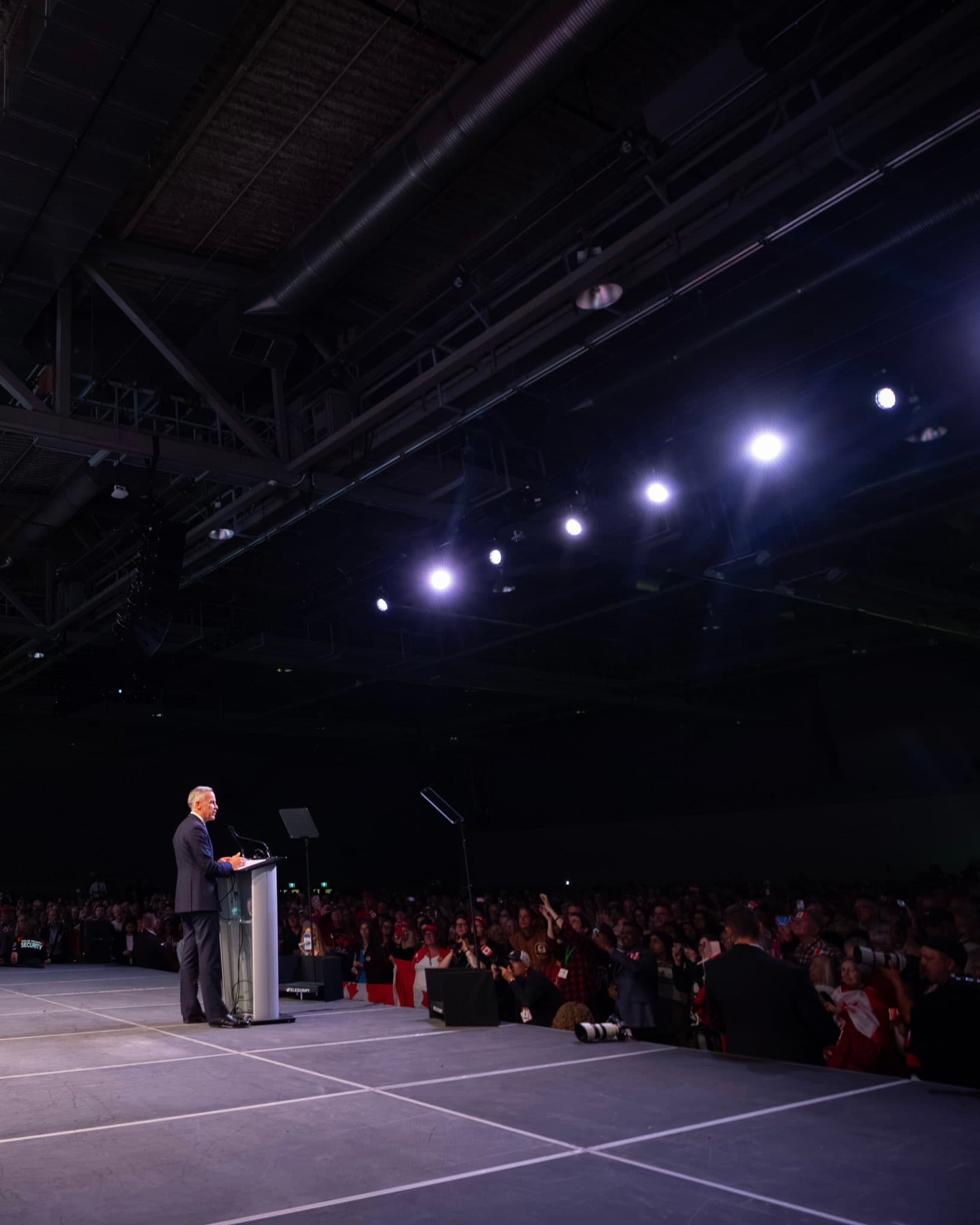
The campaign reached a crescendo at the recent “Washington DC Truth Forum,” during which several hundred Korean Americans waving Korean and American flags denounced South Korea’s president, the winner of a “snap election” in May after the ouster and arrest of his conservative predecessor.
The slogan “Stop the steal” — the same words heard at rallies in Korea against Mr. Lee’s government — echoed through the forum. “We saw every kind of trick to cheat and steal” in the snap election, a former ambassador-at-large in the first Trump administration, Morse Tan, said. “Democracy has died in South Korea,” he shouted at the cheering throng gathered at a suburban Washington, D.C., hotel.
Like their compatriots in Korea, conservative Korean Americans rally on behalf of the ousted president, Yoon Suk-yeol, imprisoned and charged with “insurrection” and “treason” for his abortive attempt at imposing martial law last December.
Mr. Tan, ambassador in the Department of State’s office of global criminal justice between 2019 and the end of Mr. Trump’s first term, is counting on the American president to defend South Korea against its enemies, notably Communist China and North Korea.
Mr. Tan’s appeal rests on what he sees as the mutual patriotism of both Koreans and Americans. “Korea is the linchpin of this region,” he told the crowd. “Korea is America’s best ally. Many Koreans love America more than some people in America.”
How much influence Korean Americans exert over American policy is not clear, but as ardent supporters of Mr. Trump they are asking him not to follow through on earlier ideas for reducing the number of American troops in Korea, which has remained at 28,500 for several years. They also endorse other measures to make sure South Korea’s administration does not compromise with North Korea’s leader, Kim Jong-un.
These include much strengthened financial sanctions against Mr. Kim’s government and much stronger cooperation with Mr. Trump to bring about the downfall of the South’s president and the return to conservative rule. They are convinced that Mr. Trump, hosting a White House summit with Mr. Lee in August, urged him to avoid cracking down harshly on his conservative opposition.
Korean journalists, however, doubt if the message is getting through clearly. Korean correspondents at Washington say privately that their editors are reluctant to publish negative articles about Mr. Lee’s government. They also told the Sun there was no chance of reports about the Truth Forum getting into the Korean press.
“They are questioning people for what they say on Truth Social,” a Korean teacher at Seoul told the Sun. “Koreans are more divided than Americans. There is no real freedom of speech here.”
An outspoken activist writer, Gordon Chang, said at the forum that Mr. Lee as president has “attacked the U.S. alliance and Korea’s own democratic institutions.” He accused the president of allowing “Chinese infiltration of Korean society” while attacking religious institutions, many of which are conservative foes of the left-leaning government.
“We are seeing a wholesale reorganization of the justice department,” he said. “He is reorganizing the finance ministry. He will have unlimited power of the purse.” The audience burst into cheers as he shouted, “It is up to us to show he cannot go any further.”
The cheers grew louder as Mr. Chang declared that Mr. Lee “is more of a socialist, more of a North Korea lover, more of an America-hater. Korea’s alliance with the U.S. is in great danger, and Korea’s democracy is in great danger. This is a fight between freedom and oppression.”
Mr. Tan echoed the rhetoric heard at demonstrations by American flag-wavers at Seoul when he declared, “I would like to plead the U.S. step into South Korea and help.” Mr. Trump, he said, “knows there has been a purge.”
His logic was similar to that often heard in South Korean podcasts, if not in print. “There is war in Ukraine and in Israel,” he said. “If China invades Taiwan and North Korea invades South Korea, that sounds like World War III. It’s important to win now before it turns into World War III. The world is watching.”