
Death of ‘Gonzo’ Journalist Hunter S. Thompson To Be Reinvestigated 20 Years After Suicide Ruling
‘By bringing in an outside agency for a fresh look, we hope to provide a definitive and transparent review,’ the Colorado Bureau of Investigation says.
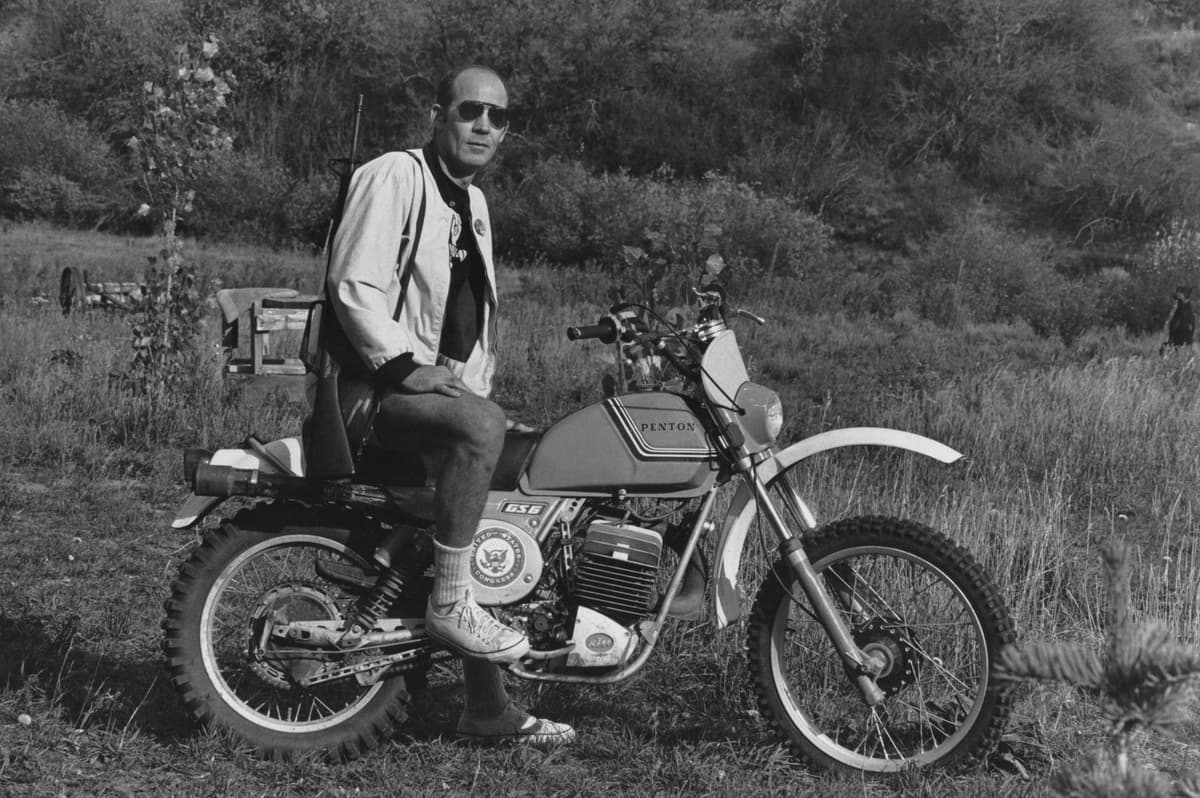
Twenty years after the raucous life of Hunter S. Thompson came to a sudden, violent end at his “fortified compound” at Woody Creek, the case of his death is being reopened.
The Colorado Bureau of Investigation says it will review the original 2005 investigation into the “gonzo” journalist’s death. The original probe concluded that Thompson died by suicide, but state investigators on Tuesday described his suicide as “alleged.”
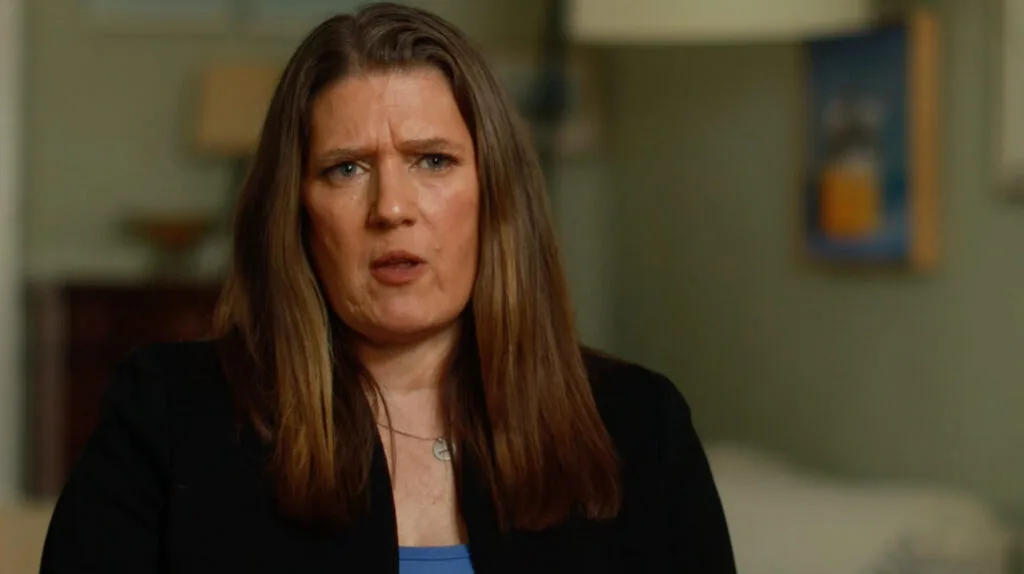
The move comes at the request of Thompson’s widow, Anita Thompson, though officials are quick to clarify that no new evidence has emerged to suggest foul play. Instead, the CBI said the probe was being conducted only to provide what it called an “independent perspective.”
In February 2005, Thompson, 67, was found by his son with a self-inflicted gunshot wound. The ruling was swift: suicide. But for a figure as mythic and turbulent as Thompson, the final chapter was perhaps destined to remain unsettled for some.
Pitkin County’s sheriff, Michael Buglione, whose office oversaw the initial investigation, acknowledged the lingering questions.
“We understand the profound impact Hunter S. Thompson had on this community and beyond,” Mr. Buglione said in a statement. “By bringing in an outside agency for a fresh look, we hope to provide a definitive and transparent review that may offer peace of mind to his family and the public.”
Thompson was more than a writer; he was a cultural force. As a founder of a new form of journalism, he inserted himself into the heart of his stories, producing seminal works like “Fear and Loathing in Las Vegas” and “Hell’s Angels.”
His byline appeared in Rolling Stone, Esquire, and even ESPN.com, cementing his status as a literary outlaw who lived and wrote with a ferocious, drug-fueled intensity. With his serialized coverage of the 1972 presidential campaign, Thompson set himself apart as a unique voice in the world of politics, and was spurred into activism throughout the rest of his life.
His life in Colorado was as legendary as his prose. He moved to the Aspen area in the late 1960s, purchasing his Woody Creek property with a royalty check from “Hell’s Angels.” In 1970, he ran for sheriff on the “Freak Power” ticket, narrowly losing but shaking the local political establishment to its core.
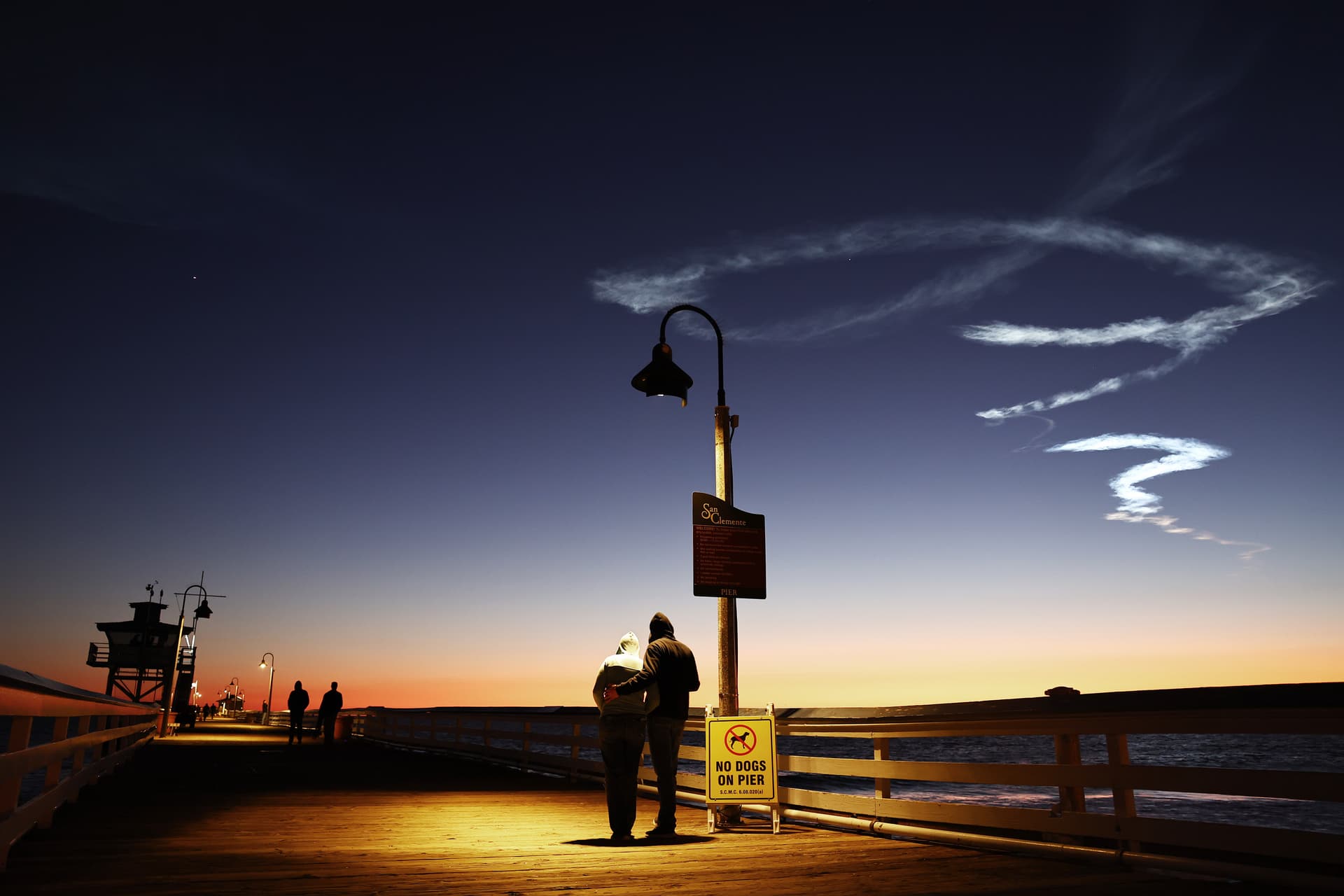
The compound itself became a character in his life story. It was there, months after his death, that his final, characteristically bizarre wish was fulfilled. His ashes were loaded into a cannon and fired into the sky, a spectacle financed by his friend and film-portrayer, Johnny Depp, and attended by a who’s who of cultural figures, including Jack Nicholson, Bill Murray, Sean Penn, and John Cusack.
“It’s expensive, but worth every penny,” Anita Thompson said at the time. “He loved explosions.”
Yet, in the years following his death, she has voiced doubts about its circumstances. She told the Aspen Daily News in 2005 that she was on the phone with him moments before he pulled the trigger. “I heard the clicking of the gun,” she recalled.
But by 2007, her perspective had shifted. “I had no idea he was planning it,” she said at a book signing. “We were trying to have a child. He cheated me. … It was too soon. I believe it was a big mistake.”
Thompson, who in later years suffered chronic medical problems, including a hip replacement, left a suicide note, which was as much for himself as others. A message written at the top in black marker in the February 2005 note said, “Football Season Is Over,” referring to the end of the NFL season.
“No More Games. No More bombs. No More Walking. No More Fun. No More Swimming. 67. That is 17 years past 50. 17 more than I needed or wanted. Boring. I am always bitchy. No Fun — for anybody. 67. You are getting Greedy. Act your old age. Relax — This won’t hurt,” the note said.
The CBI has given no timeline for its review, but its involvement ensures that the strange, spectacular, and now-questioned end of Hunter S. Thompson’s life will be examined one more time.