‘Deeply Disturbing’ Allegations Uncovered in Bungled Organ Donation Cases

One patient in Kentucky who was in cardiac arrest thrashed around during preparations for organ removal — and is now alive today.

AP/Manuel Balce Ceneta
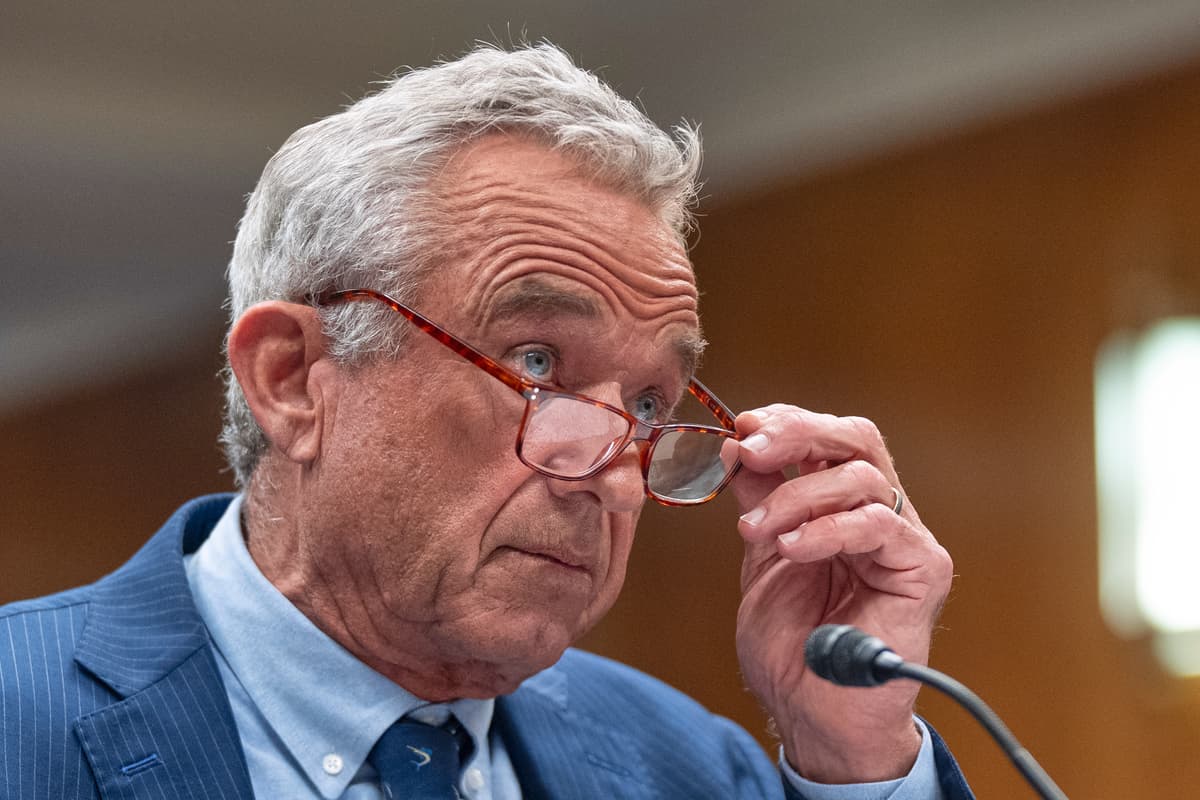
Health and Human Services Secretary Robert F. Kennedy Jr. on Capitol Hill on May 22, 2025. AP/Manuel Balce Ceneta

An organ procurement group has until the end of the month to submit a report on how it is changing its practices after an investigation found dozens of cases where patients were being prepared for donations while still showing signs of life.

A Department of Health and Human Services report uncovered what it called “disturbing practices” by a nonprofit in charge of coordinating organ donations in Kentucky, Network of Hope. Among them are allegations that employees pressured doctors to start removing organs from patients prematurely. 

“This is horrifying,” Secretary Kennedy said. “The entire system must be fixed to ensure that every potential donor’s life is treated with the sanctity it deserves.” 

The investigation started due to an October 2021 case involving a man who had been admitted to the hospital in cardiac arrest. Anthony Thomas Hoover II, a registered organ donor, was admitted to a Kentucky hospital and preparations for organ retrieval started after he was believed to be brain dead.

At some point during the preparatory work in the operating room, Mr. Hoover showed signs of life and began “thrashing around.” The organ procurement team reportedly pushed for the operation to move forward but it was stopped after one of the doctors said it was “inhumane and unethical” and she refused to participate in the process. Mr. Hoover ended up recovering. He lives with his sister, who is now his legal guardian.

The Organ Procurement and Transplantation Network opened an investigation and quickly closed it without action. Mr. Kennedy ordered the investigation reopened and says it found 103 cases showing “concerning features,” including 73 patients with neurological signs incompatible with organ donation. The new report allegedly found at least 28 patients may not have been deceased at the time organ procurement was initiated.

The cases all involved a practice called “donation after circulatory death.” In these cases, patients have some brain function but are not expected to survive off life support.

Calling it “chilling,” “deeply disturbing,” and “shocking,” a bipartisan group of House members are questioning how a nonprofit nearly removed organs from live patients.

Congressman Neal Dunn of Florida, who has performed organ donation surgeries and transplants, said at an Energy and Commerce subcommittee hearing Tuesday that the report destroys trust by the public.

“I was shocked when reviewing the reports for this hearing. They are deeply disturbing,” Mr. Dunn said. “I was horrified by the findings.”

The CEO of the Network for Hope acknowledged that things could have been handled better in that case.

“The communication could have been vastly improved,” Barry Massa told the committee, but tried to blame the Covid emergency for the breakdown.

“That case was complex and during a very complex time,” Mr. Massa added.

He admitted that he would be “disturbed” if he had witnessed Mr. Hoover’s case and said some improvements could be made to the organ donation process. Mr. Massa said his group is open to feedback.

“It’s been chilling to me to hear how you describe what has been happening in these very generic, pablum terms,” Congresswoman Diana DeGette said in reaction to Mr. Massa’s testimony.

The Department of Health and Human Services is now threatening to decertify any organ donation group that it finds is not monitoring potential donors correctly.

A record 48,000 organ were transplanted in the United States in 2024 from more than 24,000 donors. More than 100,000 people are on the transplant waiting list.


The New York Sun

© 2025 The New York Sun Company, LLC. All rights reserved.

Use of this site constitutes acceptance of our Terms of Use and Privacy Policy. The material on this site is protected by copyright law and may not be reproduced, distributed, transmitted, cached or otherwise used.

The New York Sun

Sign in or  create a free account

or
By continuing you agree to our Privacy Policy and Terms of Use