Disappointing Trump Could Prove Putin’s Culminating Blunder in Ukraine
Not since Germany’s invasion of Russia in 1941 has a military undertaking been as comprehensively counterproductive for its initiator as Moscow’s invasion of Ukraine.
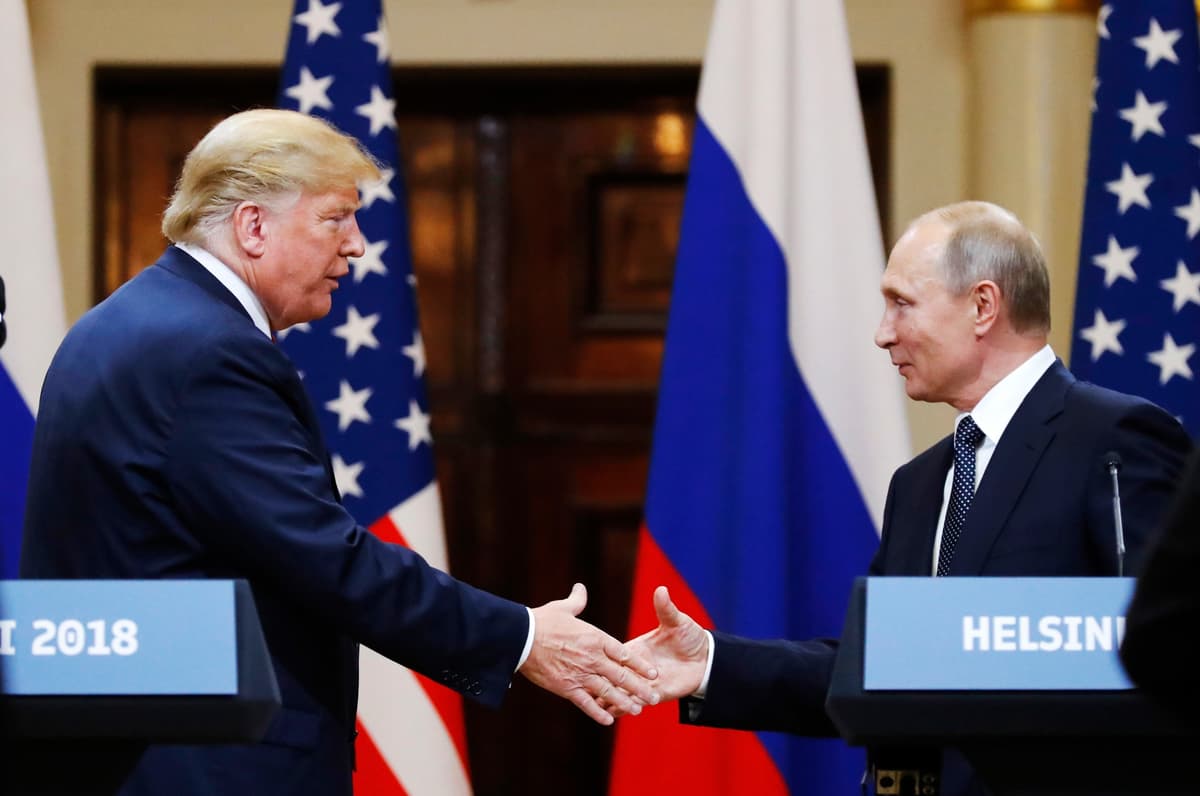
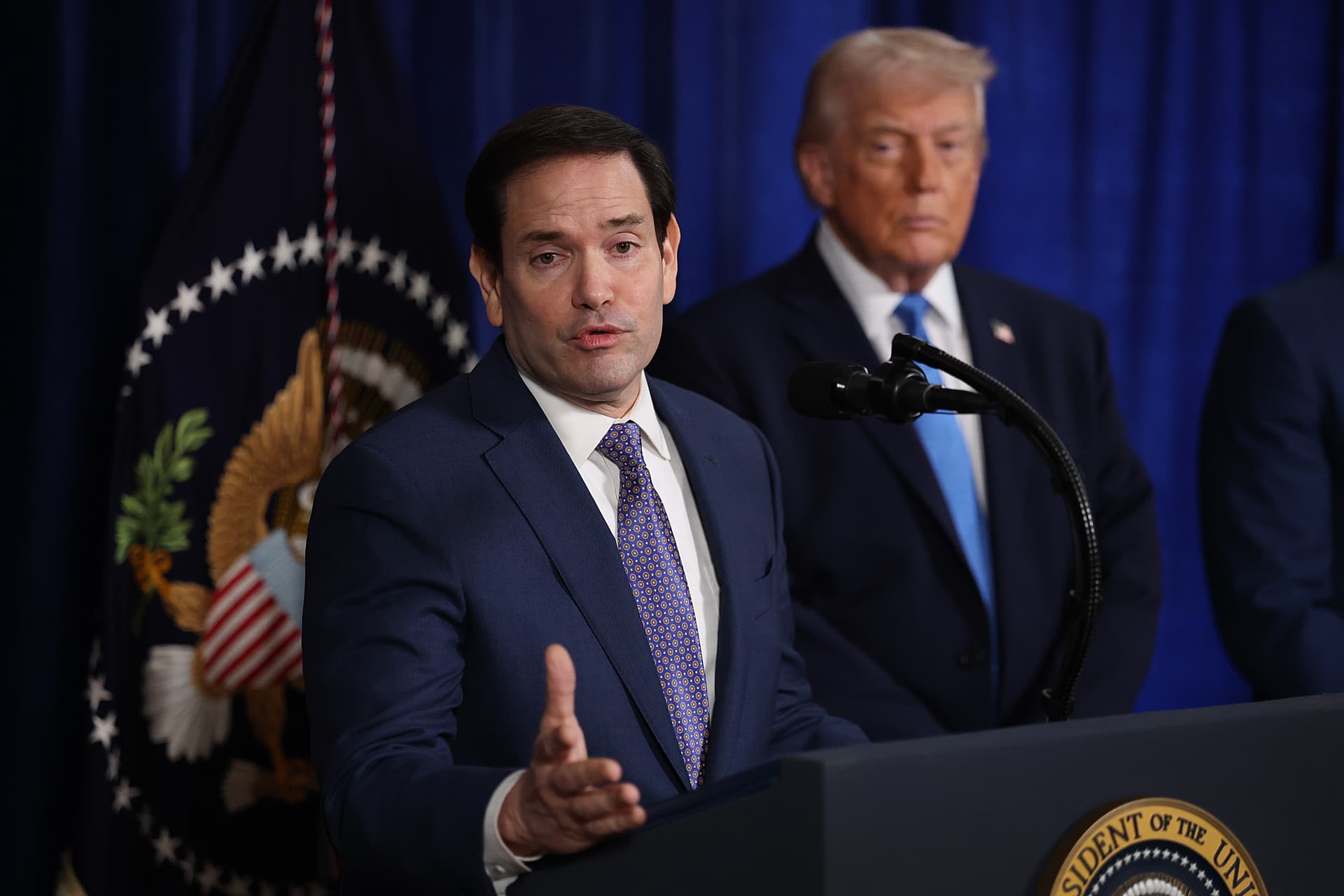
President Trump has announced himself “disappointed.” He had such high hopes for Vladimir Putin.
Mr. Putin’s response to Mr. Trump’s 50-day ultimatum — to agree to “a deal” by September 3 or face severe economic consequences — was intensified attacks on Ukraine population centers.
Mr. Trump’s subsequent 10-day ultimatum, expiring Friday, seems to have been equally unavailing. Mr. Putin aims to get not to negotiations but to Kyiv, because only extinguishing Ukraine’s nationhood can redeem his epochal blunder.
Although Mr. Putin has been certified a “genius” (by Mr. Trump; Mr. Putin has not reciprocated), not since Adolf Hitler invaded the Soviet Union 84 summers ago has a military undertaking been as comprehensively counterproductive for its initiator as Mr. Putin’s invasion of Ukraine.
The results so far:
The North Atlantic Treaty, the bane of Mr. Putin’s existence, has been enlarged, with the addition of Sweden and Finland making the alliance contiguous with an additional 800 miles of Russia’s border. NATO members, awakened from their slumbers, have committed to spending 3.5 percent of GDP on defense.
NATO’s first secretary general, Lord Hastings Lionel Ismay, famously said the alliance was created in 1949 to “keep the Soviet Union out, the Americans in, and the Germans down.” The Soviet Union is gone, American forces are still in Europe, and Germany is rising militarily.
With the European Union’s largest economy and a GDP more than twice as large as Russia’s, Germany now has a defense budget larger than Britain’s, and it soon could be twice as large. One small expenditure underscores Mr. Putin’s big miscalculation: A German brigade (4,800 troops by the end of 2027) is stationed in Lithuania, on Mr. Putin’s border.
A study by the Center for Strategic and International Studies estimates that Russia has suffered nearly 1 million troops killed or wounded as the price of seizing about one-fifth of Ukraine’s territory. (Ukraine’s dead and wounded are estimated to be 400,000.)
Mr. Putin instructed his invading troops, who were given only five days’ provisions, to pack their dress uniforms for a victory parade in Kyiv. Three years later, Russia has resorted to its first conscription since World War II, and has enlisted felons and debtors.
A recent Wall Street Journal article told of a Russian soldier who joined the army when the enlistment bonus reached 2 million rubles, 22 times his monthly salary. Three weeks later, after two weeks of shooting practice and basic first aid instruction, he was on the front lines in Ukraine, fighting Europe’s — actually, the world’s — most combat-seasoned army.
Five months ago, a report from the Office of the Director of National Intelligence declared that Russia had the “upper hand” in Ukraine. Remember, however, that when the war began, American intelligence was as pessimistic as Mr. Putin was optimistic. President Zelensky had to spurn an American offer to fly him to safety. He reportedly said, “I need ammunition, not a ride.”
The most important consequence of Mr. Putin’s war has been to awaken the United States to how unprepared its defense industrial base is to produce the munitions, from artillery shells to missiles, required for protracted, high-intensity combat. Hence the limited relevance to U.S. overall security of the B-2 bombers’ impressive power projection against Iran.
“The history of failure in war,” General Douglas MacArthur said, “can almost always be summed up in two words: ‘Too late.’ Too late in comprehending the deadly purpose of a potential enemy. Too late in realizing the mortal danger. Too late in preparedness. Too late in uniting all possible forces for resistance.”
Because of the European and American blowback against Mr. Putin’s blunder, it is not too late to win the war by preserving Ukraine. Defeat is not an inevitability; it would be a choice.
Last February, as Russia’s aggression entered its fourth year, Mr. Trump, who has said Ukraine “started” the war, resisted including in a Group of Seven statement that Russia was the aggressor. He has compared Europe’s largest war since 1945 to “two young children fighting like crazy,” and to a hockey game in which the referees allow the players to brawl for a while.
Yet, having slight ballast of convictions, he moves where winds, whims, and whisperers take him. Mr. Putin’s culminating blunder — he has disappointed the president — might drive Mr. Trump to Ukraine’s side.
This will unleash fury in MAGAdom’s Magabmimlh faction (Make America Great Again By Making It More Like Hungary). Yet to govern is to choose, which always makes some factions unhappy.
In this instance, it might be good that Mr. Trump takes everything personally. This is the importance of his being disappointed.
The Washington Post