
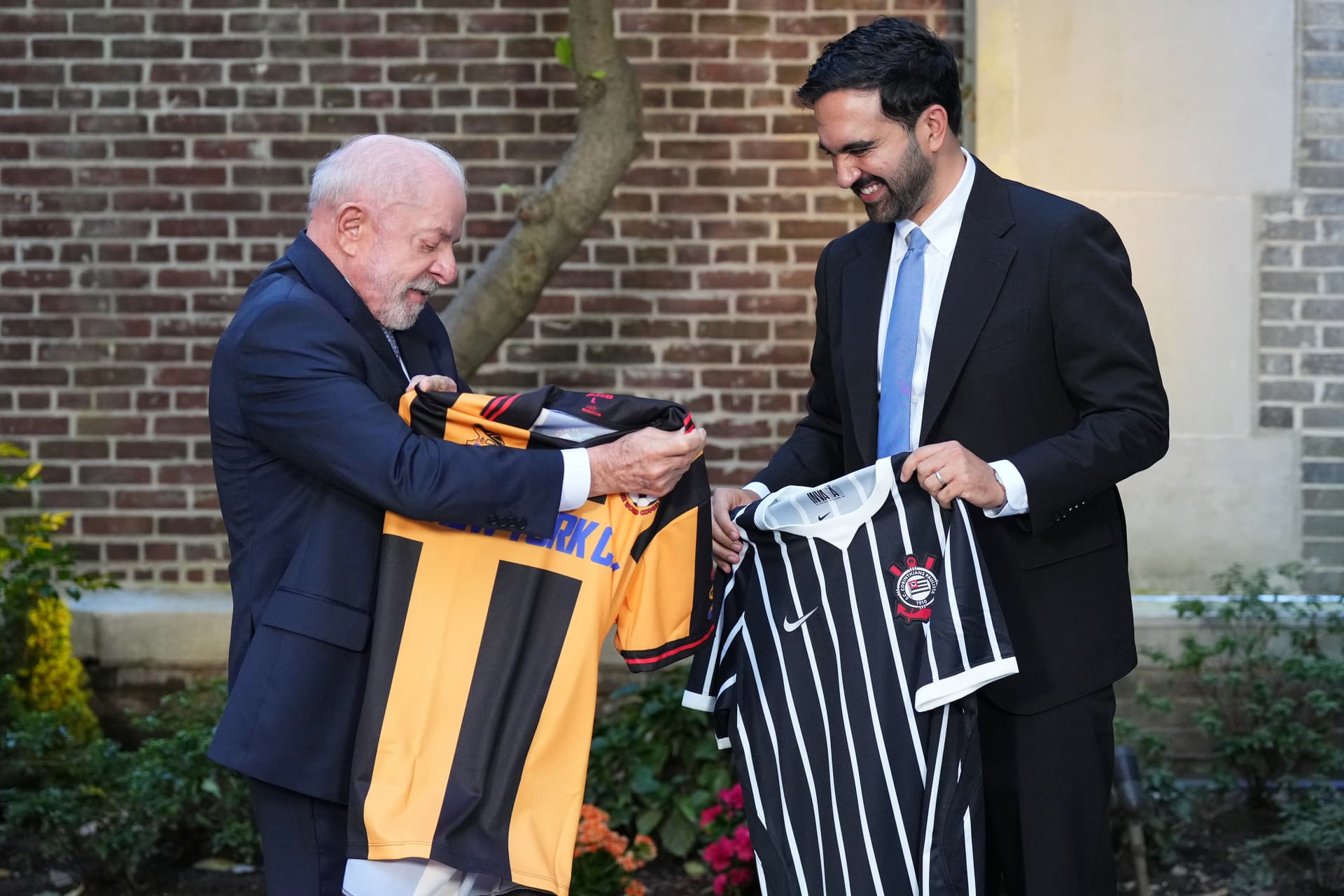
Lula Touts Leftist Record With Mamdani as Polls Show Presidential Election a Toss-Up in Brazil
By LUKE FUNK
|This article is from the archive of The New York Sun before the launch of its new website in 2022. The Sun has neither altered nor updated such articles but will seek to correct any errors, mis-categorizations or other problems introduced during transfer.

Published:
Updated:
For thousands of idealistic voters young and old, the defeat of Cory Booker in Newark’s mayoral election will come as a disappointment. Mr. Booker’s campaign for reform attracted the support of New Yorkers — and New Jersey residents — of all colors and religions. It was also run with an openness to ideas that challenged the orthodoxy of the Democratic Party’s liberal wing. Mr. Booker was open to the idea of school vouchers, for instance, and he was not hostile to capitalism. His opponent campaigned with the lowest of racial appeals, caricaturing Mr. Booker as a “neo-black” politico spawned by right-wing foundations, as one can glimpse by the demeaning cartoon posted on the James campaign Web site and reproduced herewith.
By LUKE FUNK
|
By JOSEPH CURL
|
By BENNY AVNI
|
By MATTHEW RICE
|
By ALEX ZDAN
|
By JENNIFER DOHERTY
|
By LUKE FUNK
|
By BRADLEY CORTRIGHT
|For thousands of idealistic voters young and old, the defeat of Cory Booker in Newark’s mayoral election will come as a disappointment. Mr. Booker’s campaign for reform attracted the support of New Yorkers — and New Jersey residents — of all colors and religions. It was also run with an openness to ideas that challenged the orthodoxy of the Democratic Party’s liberal wing. Mr. Booker was open to the idea of school vouchers, for instance, and he was not hostile to capitalism. His opponent campaigned with the lowest of racial appeals, caricaturing Mr. Booker as a “neo-black” politico spawned by right-wing foundations, as one can glimpse by the demeaning cartoon posted on the James campaign Web site and reproduced herewith.
Already have a subscription? Sign in to continue reading
Cancel anytime
By continuing you agree to our Privacy Policy and Terms of Service.
Cancel anytime