
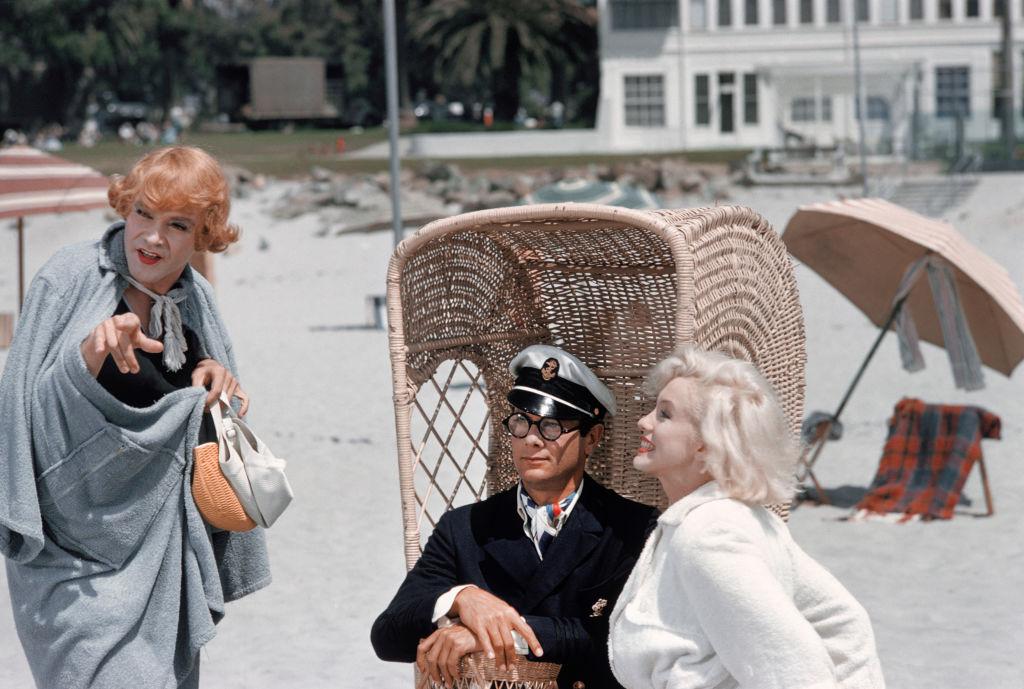
‘Some Like It Hot’ and the Art of Near Perfection
By CARL ROLLYSON
|This article is from the archive of The New York Sun before the launch of its new website in 2022. The Sun has neither altered nor updated such articles but will seek to correct any errors, mis-categorizations or other problems introduced during transfer.

Published:
Updated:
The Supreme Court certainly made short work of Secretary of State Clinton’s claim that the courts and the Congress have no business meddling in how she refers to Jerusalem in passports issued to Americans born in the capital of Israel. The State Department has been refusing to enforce a law, passed in 2002 by an overwhelming vote in the Congress, giving all Americans born in Jerusalem the right to have their birthplace listed on official documents as “Israel.” The department was challenged by an infant named Menachem Binyamin Zivotofsky, who’d been born at Jerusalem and whose parents wanted him to have a passport listing his birthplace as Israel. The state department claimed the matter was a political question and therefore beyond the reach of the courts. What happened today is that the Supreme Court finally rejected that argument in no uncertain terms.
By CARL ROLLYSON
|
By CARLOS SOUSA
|
By JULIENNE DAVIS
|
By LUKE FUNK
|
By LAWRENCE KUDLOW
|
By HOLLIE McKAY
|
By JENNIFER DOHERTY
|
By THE NEW YORK SUN
|The Supreme Court certainly made short work of Secretary of State Clinton’s claim that the courts and the Congress have no business meddling in how she refers to Jerusalem in passports issued to Americans born in the capital of Israel. The State Department has been refusing to enforce a law, passed in 2002 by an overwhelming vote in the Congress, giving all Americans born in Jerusalem the right to have their birthplace listed on official documents as “Israel.” The department was challenged by an infant named Menachem Binyamin Zivotofsky, who’d been born at Jerusalem and whose parents wanted him to have a passport listing his birthplace as Israel. The state department claimed the matter was a political question and therefore beyond the reach of the courts. What happened today is that the Supreme Court finally rejected that argument in no uncertain terms.
Already have a subscription? Sign in to continue reading
Cancel anytime
By continuing you agree to our Privacy Policy and Terms of Service.
Cancel anytime