Schumer Takes on Ricardo
This article is from the archive of The New York Sun before the launch of its new website in 2022. The Sun has neither altered nor updated such articles but will seek to correct any errors, mis-categorizations or other problems introduced during transfer.

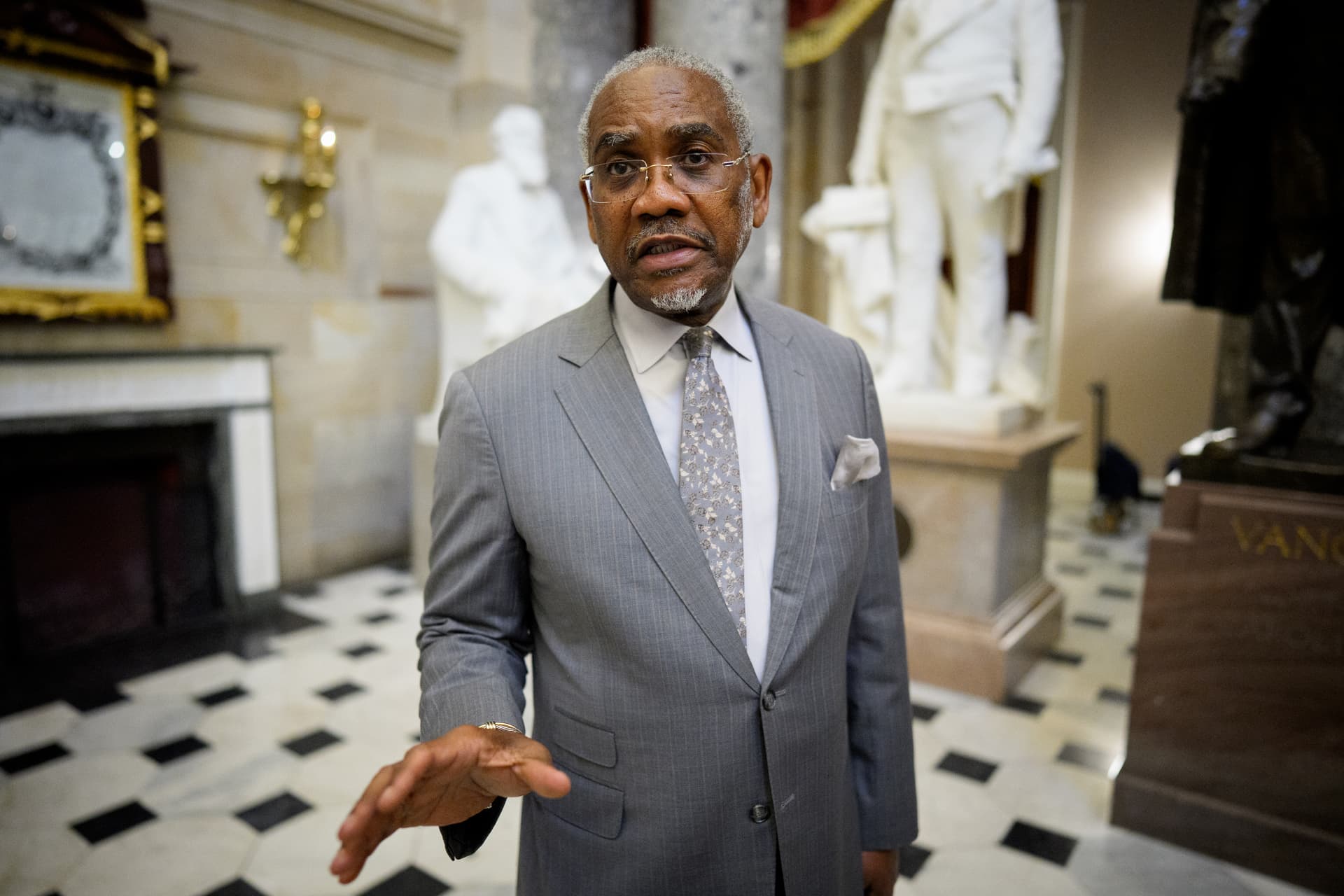
No sooner had our Joshua Gerstein reported that the feuding Democrats were starting to concur on, of all things, the idea of trade protection than the senior senator from New York fetched up on the op-ed page of the New York Times in harness with the right-wing economist Paul Craig Roberts, with an attack on David Ricardo. Ricardo is the economist who made his name opposing the protectionist Corn Laws in early 19th-century England, and whose ideas of comparative advantage provide the framework for the economics of free trade. Senator Schumer is suddenly in a lather over the possibility that American corporations might be finding ways to perform work more efficiently overseas.
Call it Chuck-Schumer-Pat-Buchananism. It is a straw in the wind as to the intellectual direction that the Democrats are taking, and it is a sign that it’s going to be an interesting election. Those searching for a more classically liberal view of this debate had the pleasure of being able to turn to the newspaper at which Professor Roberts once worked, the Wall Street Journal, which ran out an editorial Monday called “The Case for Cafta.” It laid out the virtues of our free trade era in terms of foreign policy and American exports, and the dangers of the kind of protection that Senator Schumer and the Iowa Democrats are flirting with.
Those searching for a more enlightened view could have also looked to the record hewn by the last successful Democratic presidential candidate, Bill Clinton. Back on September 14, 1993, President Clinton gave an eloquent speech calling on Congress to pass the North American Free Trade Agreement.
“Nothing we do, nothing we do in this great capital can change the fact that factories or information can flash across the world, that people can move money around in the blink of an eye. Nothing can change the fact that technology can be adopted, once created, by people all across the world and then rapidly adapted in new and different ways by people who have a little different take on the way the technology works. For two decades, the winds of global competition have made these things clear to any American with eyes to see. The only way we can recover the fortunes of the middle class in this country so that people who work harder and smarter can at least prosper more, the only way we can pass on the American dream of the last 40 years to our children and their children for the next 40 is to adapt to the changes which are occurring,” Mr. Clinton said.
Said Mr. Clinton, “In a fundamental sense, this debate about Nafta is a debate about whether we will embrace these changes and create the jobs of tomorrow, or try to resist these changes, hoping we can preserve the economic structures of yesterday. I tell you, my fellow Americans, that if we learned anything from the collapse of the Berlin Wall and the fall of the governments in Eastern Europe, even a totally controlled society can not resist the winds of change that economics and technology and information flow have imposed in this world of ours. That is not an option. Our only realistic option is to embrace these changes and create the jobs of tomorrow.”
Mr. Clinton went on to say,”When people say that this trade agreement is just about how to move jobs to Mexico so nobody can make a living, how do they explain the fact that Mexicans keep buying more products made in America every year? Go out and tell the American people that. Mexican citizens with lower incomes spend more money — real dollars, not percentage of their income — more money on American products than Germans, Japanese, Canadians. That is a fact. And there will be more if they have more money to spend. That is what expanding trade is all about.”
It sounds reasonable to us, and Mr. Schumer’s op-ed with Professor Roberts includes the line, “In the past, we have supported free trade policies.” But the senator’s record dating back to the Clinton administration marks him as a foe of free trade, going back to the day in November of 1993, when the then-Congressman from Brooklyn voted against Nafta in the House of Representatives.
Mr. Clinton made another impassioned plea for strengthened trade-promotion powers, at an Oval Office ceremony in November of 1997: “If we turn our backs now on trade and fail to seize the opportunities of the global economy, our competitors will eagerly take our place. That is an America-last strategy. It’s unacceptable. It won’t work,” Mr. Clinton said then, according to press reports. “The rejection of fast track won’t create any new jobs or raise any American incomes. It won’t advance environmental or labor standards abroad. It would reduce our ability to do both, and I think that is very important.”
Yet when the fast-track issue came to a vote in 1998, Mr. Schumer voted against it. He did so again as a senator in May 2002. Together with the Nafta vote, it’s enough to make us somewhat skeptical of the senator’s claim that his protectionist position is some kind of recent adjustment to reflect “new realities.”
It’s particularly tragic to see the senior senator from New York take such a position. Dating back to the days of the South Street Seaport, this city and state have benefited more than nearly any other from the blessings of international trade. Today, with its high taxes and onerous regulatory structure, New York today has more room than any city and state in the country to fight the flight of jobs by liberalizing its own regime. The way to go about making the city an attractive home for jobs in the global economy is easing the taxes and regulations here, not imposing them elsewhere or imposing yet more of them here on goods and services created elsewhere. A Democrat who stood up for that principle would have a better chance of winning.