Elon Musk Faces Last Chance To Reclaim $56 Billion Pay Package
Delaware’s top court will hear arguments on Wednesday in a case that could reshape executive compensation and the state’s corporate appeal.
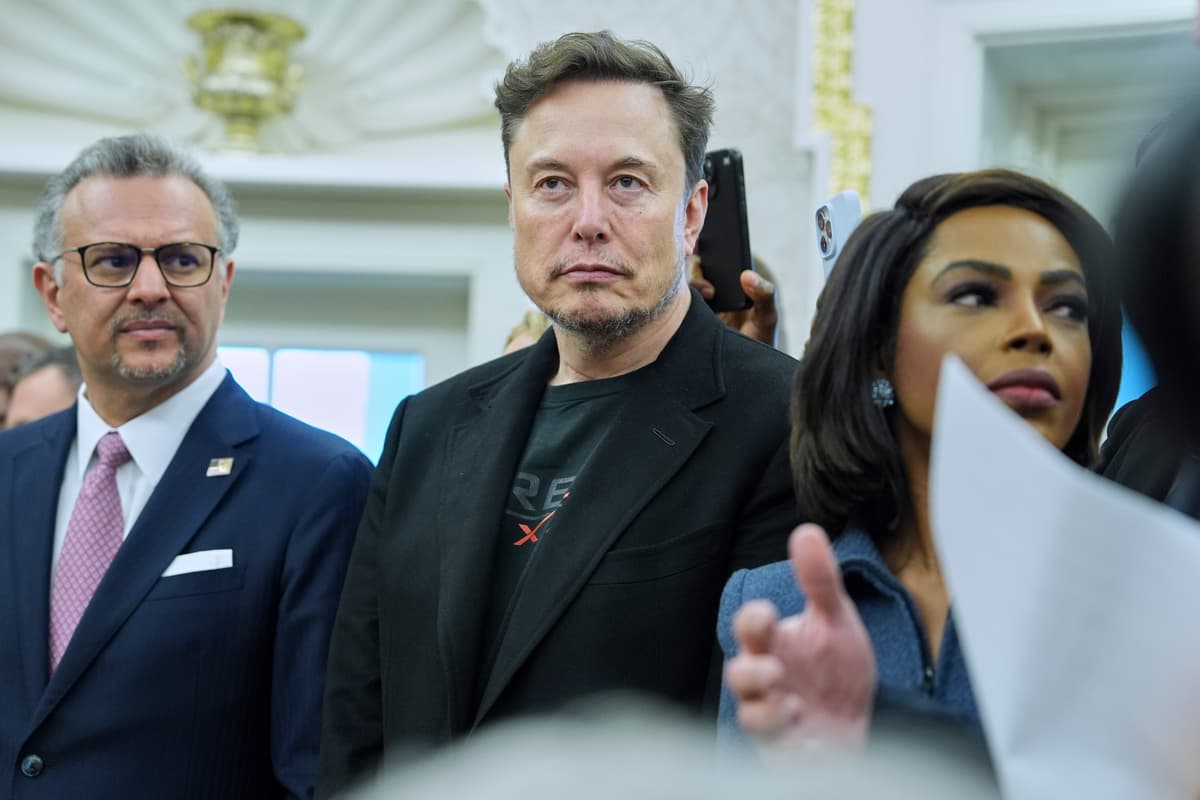

Tech mogul Elon Musk’s fight to reclaim what was once the largest executive compensation package in history reaches a critical juncture this week, as the Tesla chief will seek to convince Delaware’s highest court to reinstate his controversial $56 billion pay deal.
The appeal, which is set for oral arguments on Wednesday, is slated to have significant consequences not only for Mr. Musk and his future at Tesla but also for Delaware’s reputation as America’s corporate capital.
The legal saga dates back to 2018, when Mr. Musk’s compensation — which, at the time, hovered around $50 billion — was challenged in a suit brought by a group of Tesla shareholders. They claimed that the board misled them into believing that the performance goals were more difficult to achieve than they actually were, and thus had failed to uphold their fiduciary duty of operating in the best interest of shareholders.
They also argued that many members of Tesla’s board — including Mr. Musk’s brother, Kimbal Musk, and James Murdoch, who is the son of press tycoon Rupert Murdoch and formerly a close friend of Mr. Musk — lacked the independence to decide fairly due to their close personal relationships with the Tesla chief executive.
Mr. Musk was dealt his first blow when the Delaware Chancery Court chancellor, Kathaleen McCormick, ruled in favor of the plaintiffs, concluding that the process leading up to the plan’s approval was “deeply flawed.”
Undeterred, Mr. Musk took the unusual step of appealing directly to Tesla’s shareholders. The company’s board urged investors to support the package, arguing that retaining Mr. Musk’s “attention” and “focus” remains a top priority and that the stock option plan would “only serve to incentivize him to continue delivering value to Tesla and our stockholders.”
The vote was held in June 2024 and some 77 percent of Tesla’s investors voted in support of Mr. Musk’s compensation plan. Judge McCormick, though, upheld her previous ruling, stating that a shareholder voter cannot simply “revise” a legal judgement. Tesla appealed the ruling in January.
For Mr. Musk, the supreme court hearing represents a final opportunity to reinstate his historic pay package. However, Tesla has already taken steps to ensure his compensation regardless of the outcome. The board approved an interim package worth nearly $30 billion while the case proceeds, and in it September proposed an audacious target-based plan that could reward Musk up to $1 trillion over the next decade. Shareholders will vote on that proposal in November.
Perhaps more consequential is the ruling’s potential impact on Delaware itself. The state has long pitched itself as the premier destination for corporate incorporation, generating substantial revenue from incorporation fees and franchise taxes.
The fallout has already begun. During the legal battle, Mr. Musk accused Delaware’s legal system of being hostile to corporations and reincorporated Tesla in Texas, which he characterized as more business-friendly. Tesla’s departure triggered a broader exodus, with major companies including Dropbox and Tripadvisor following suit.
“An exodus of corporations could have dire consequences for Delaware,” Fordham Law School’s Journal of Corporate and Financial Law warned in an article published earlier this year.