
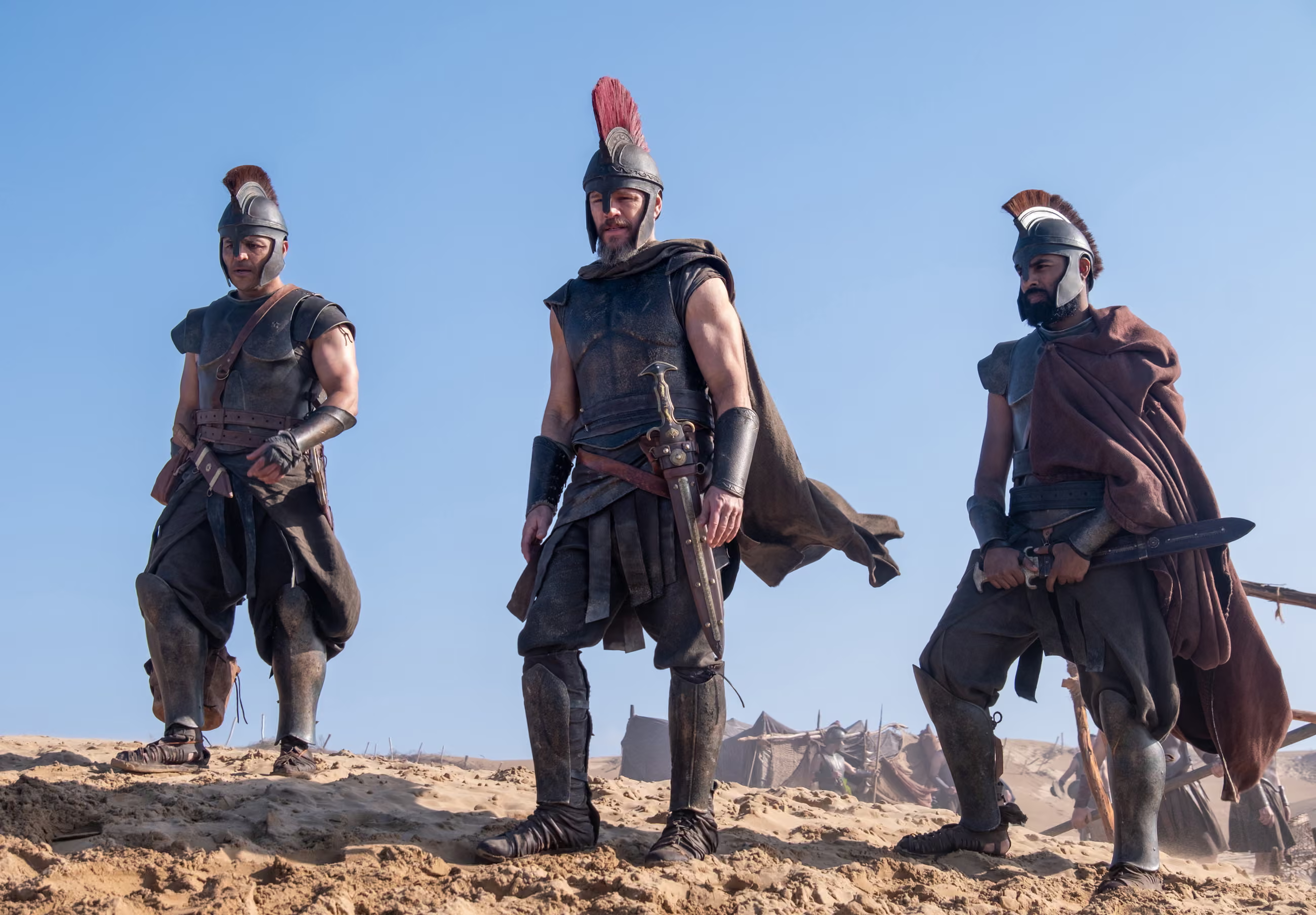
Socialists Find an Unlikely Political Ally in Christopher Nolan’s ‘The Odyssey’
By ALEXANDER LARMAN
|The scholar urges Washington to narrow its ambitions in a multipolar world, but risks mistaking complacency for realism.


Published:
Updated:
Picture the world order of 1991: U.S. military might projected across every theater; NATO unchallenged; the American economy almost twice as large as any other country’s. With the collapse of the Soviet Union, the United States acceded to the status not only of a “superpower” but a “hyper power,” summoning the supremacy of the Roman Empire. It was an age of unrivaled leadership that Washington assumed would be permanent.
By ALEXANDER LARMAN
|
By ROSS ANDERSON
|
By DAVID JONES
|
By JOSEPH CURL
|
By GARY GASTELU
|
By JOSEPH CURL
|
By ALEX ZDAN
|
By DAVID JONES
|Picture the world order of 1991: U.S. military might projected across every theater; NATO unchallenged; the American economy almost twice as large as any other country’s. With the collapse of the Soviet Union, the United States acceded to the status not only of a “superpower” but a “hyper power,” summoning the supremacy of the Roman Empire. It was an age of unrivaled leadership that Washington assumed would be permanent.
Already have a subscription? Sign in to continue reading
Cancel anytime
By continuing you agree to our Privacy Policy and Terms of Service.
Cancel anytime