
Ending Senate Filibuster, History Shows, Could Backfire for Republicans

Senator Tommy Tuberville calls a rule change ‘a viable option,’ but feature how that turned out for the Democrats on Supreme Court nominees.

Library of Congress via Wikimedia Commons
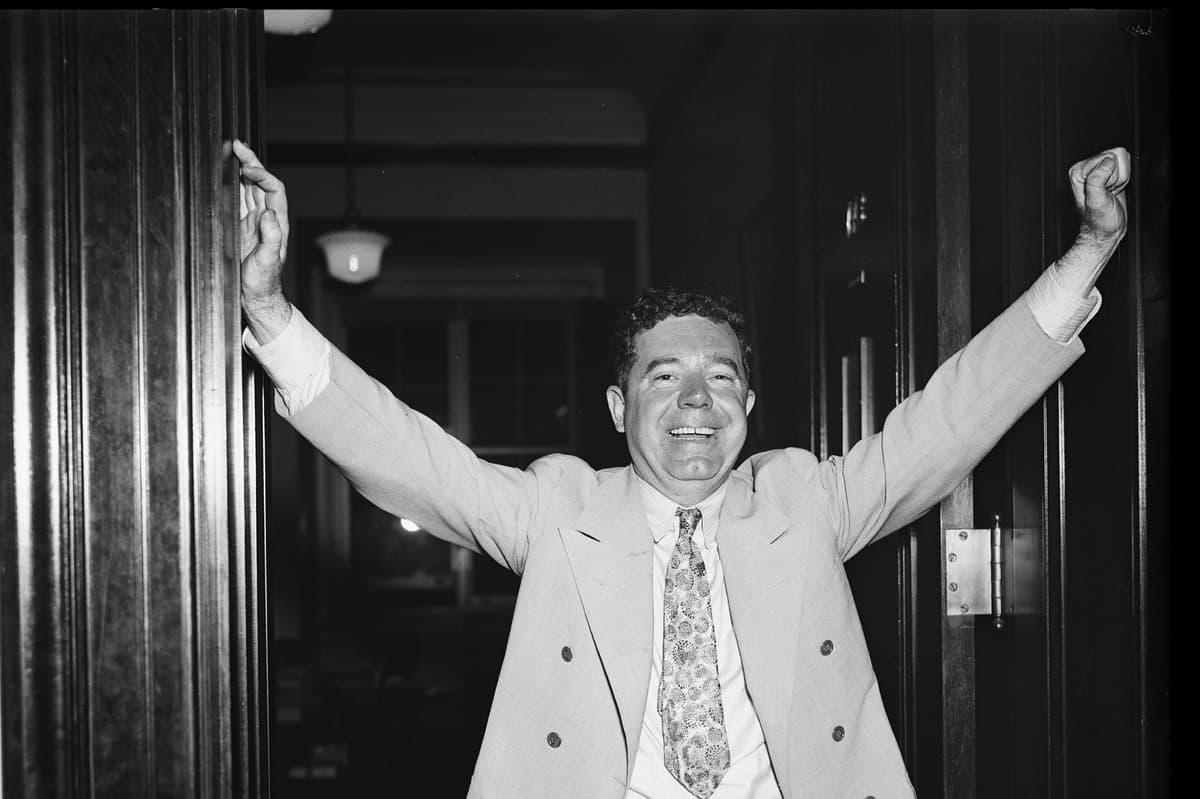
Senator Huey Long exults on August 27, 1935 after a filibuster that prevented consideration of legislation he opposed. Library of Congress via Wikimedia Commons

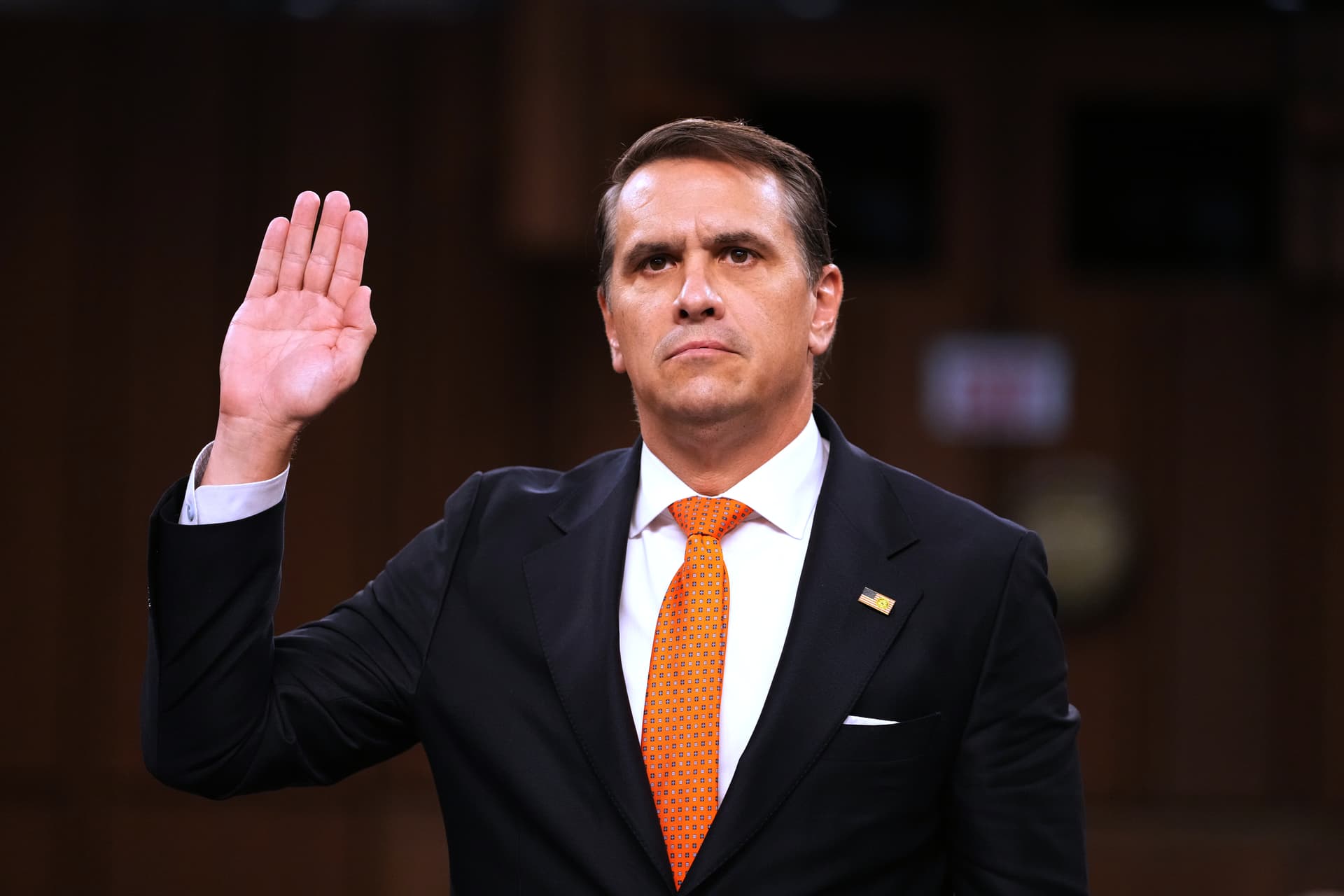
Could the Senate’s tradition of almost unlimited debate wind up a victim of the GOP majority in Congress? That’s an emerging prospect — though far from a certainty — as the government shutdown drags on. Senator Tommy Tuberville tells the Hill that while “nobody talked about” ending the filibuster even “two weeks ago,” the Democrats’ intransigence in the Senate, where 60 votes are needed to end debate, makes a rule change “a viable option.”

Terminating the filibuster would mean that a simple majority of senators would be able to pass legislation, as is the case in the House and in nearly all other legislative bodies across the globe. It would transform the Senate, which upon its inception allowed the solons to speechify without restriction. Only in 1917 was a limit placed on senators’ loquacity, with a rule that a two-thirds vote could cut off debate, or invoke “cloture,” and move to final consideration.

In 1975, that rule was watered down so that three-fifths of senators can halt debates. The rule has come to connote the distinctiveness of the Senate, and is one of the reasons the upper chamber has been hailed — no doubt mostly by its own members — as “the world’s greatest deliberative body.” Yet an unnamed senator tells the Hill that failing to end the shutdown means that “the pressure from the White House will become pretty enormous” to change the policy.

The majority leader, Senator John Thune, has poured cold water on that idea, our Matthew Rice reports. Ending the tradition, per Mr. Thune, means “every two years we’d have a flip-flop in policy, and it would be bad for the economy.” Senator Thom Tillis frets about “swings in tax and regulatory policy every two, four, or six years” if the Senate bids adios to the filibuster. It would end, too, colorful moments that enliven America’s politics, for better and worse.

In 1841, say, Senator William King, in the minority, deployed long speeches to oppose the return of a national bank. He told an irate Henry Clay to “make his arrangements at his boarding house for the winter.” In 1917 Senator Robert La Follette piped up for free speech as World War I raged. Senator Huey Long, while promoting populism, harangued the chamber with a recipe for “pot likker.” Yet in the 1950s the rule was abused to thwart civil rights laws.

There is a degree of irony that the GOP is mooting an end to the filibuster after defending it in the face of Democratic majorities who sought to drop the custom. The opposition of Senators Joe Manchin and Kyrsten Sinema in 2022 helped save the filibuster when liberals urged jettisoning the super-majority rule. That now prompts Senator John Fetterman to joke about his fellow Democrats: “We ran on killing the filibuster and now we love it.”

Indeed, past Democratic attempts to weaken the filibuster ended up backfiring for the left. In 2013, Senator Harry Reid changed the rules to allow presidential nominations to be confirmed by a majority vote. Then, to liberals’ chagrin, the GOP applied that new policy to confirm three of President Trump’s Supreme Court nominees, helping to cement a conservative majority that could endure for decades. 

That unintended outcome for the Democrats suggests the merit of caution for GOP senators when weighing rule changes. James Madison, after all, envisioned the Senate as a “necessary fence,” as he put it, against the “fickleness and passion” that can captivate the electorate. The filibuster is of a piece with senators’ six-year terms, in contrast to the House’s biennial elections, insulating the upper chamber from trends and tempests, no matter how enticing.


The New York Sun

© 2025 The New York Sun Company, LLC. All rights reserved.

Use of this site constitutes acceptance of our Terms of Use and Privacy Policy. The material on this site is protected by copyright law and may not be reproduced, distributed, transmitted, cached or otherwise used.

The New York Sun

Sign in or  create a free account

or
By continuing you agree to our Privacy Policy and Terms of Use