ExxonMobil Sues California Over Laws Forcing It To ‘Trumpet’ State’s ‘Preferred Message’ on Climate Change
ExxonMobil says the laws were crafted with the purpose of ‘spurring public opprobrium.’
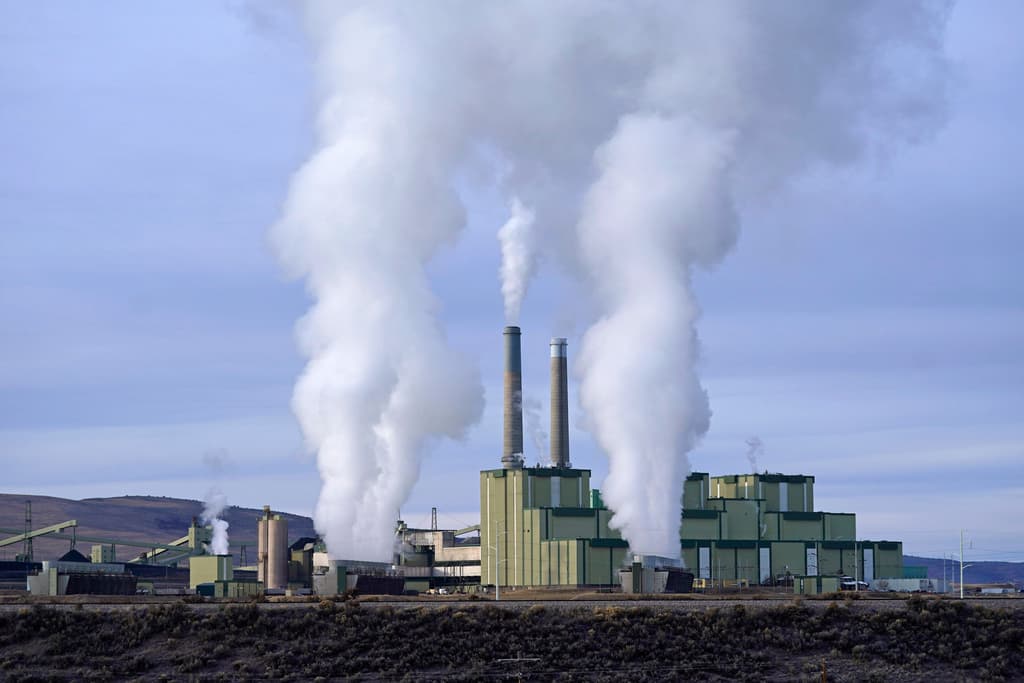
ExxonMobil is challenging California laws that it says unconstitutionally forces it to promote the state’s views on climate change.
In a federal lawsuit, ExxonMobil is asking the U.S. District Court for the Eastern District of California to block two laws set to go into effect next year, which it says force it to “trumpet California’s preferred message, even though ExxonMobil believes the speech is misleading and misguided.”
The first law, Senate Bill 253, directs California’s Air Resources Board to craft regulations requiring public and private companies that bring in more than $1 billion in revenue to disclose their emissions.
ExxonMobil alleges in its complaint that the Air Resources Board never responded to a letter the company submitted during a public input period outlining its disagreements with the law.
The lawsuit says Senate Bill 253 places “disproportionate blame on companies like ExxonMobil for being large and for the avowed purpose of spurring public opprobrium.”
“California may believe that companies that meet the statutes’ revenue thresholds are uniquely responsible for climate change, but the 1st Amendment categorically bars it from forcing ExxonMobil to speak in service of that misguided viewpoint,” the lawsuit says.
The other law being challenged, Senate Bill 261, requires corporations with more than $500 million in revenue to lay out the financial risks their businesses face from a changing climate and how they plan to address them.
ExxonMobil says the law requires it to “engage in granular conjecture about unknowable future developments and to publicly disseminate that speculation on its website.”
A spokeswoman for Governor Gavin Newsom, Tara Gallegos, criticized the lawsuit, saying it is “truly shocking that one of the biggest polluters on the planet would be opposed to transparency.”
The laws have also been challenged by the U.S. Chamber of Commerce, which argued that they violate the First Amendment. In August, a federal judge rejected the Chamber’s request to block the laws, finding that while the measures regulate commercial speech, the “plaintiffs have not demonstrated that the laws violate the First Amendment, they have also not shown irreparable harm.”
A trial in that case is scheduled for October 2026.
In 2024, the Securities and Exchange Commission announced new rules that require companies to disclose their greenhouse gas emissions. However, in March 2025, following President Trump’s re-election, the commission voted to end its legal defense of the rules, which it said were “unnecessarily intrusive.”