Federal Judge Declines To Release Epstein Grand Jury Materials at Justice Department’s Request, Calling It a ‘Diversion’
The jurist says Attorney General Bondi’s desire to be transparent can be satisfied by releasing the records she already has in her possession.
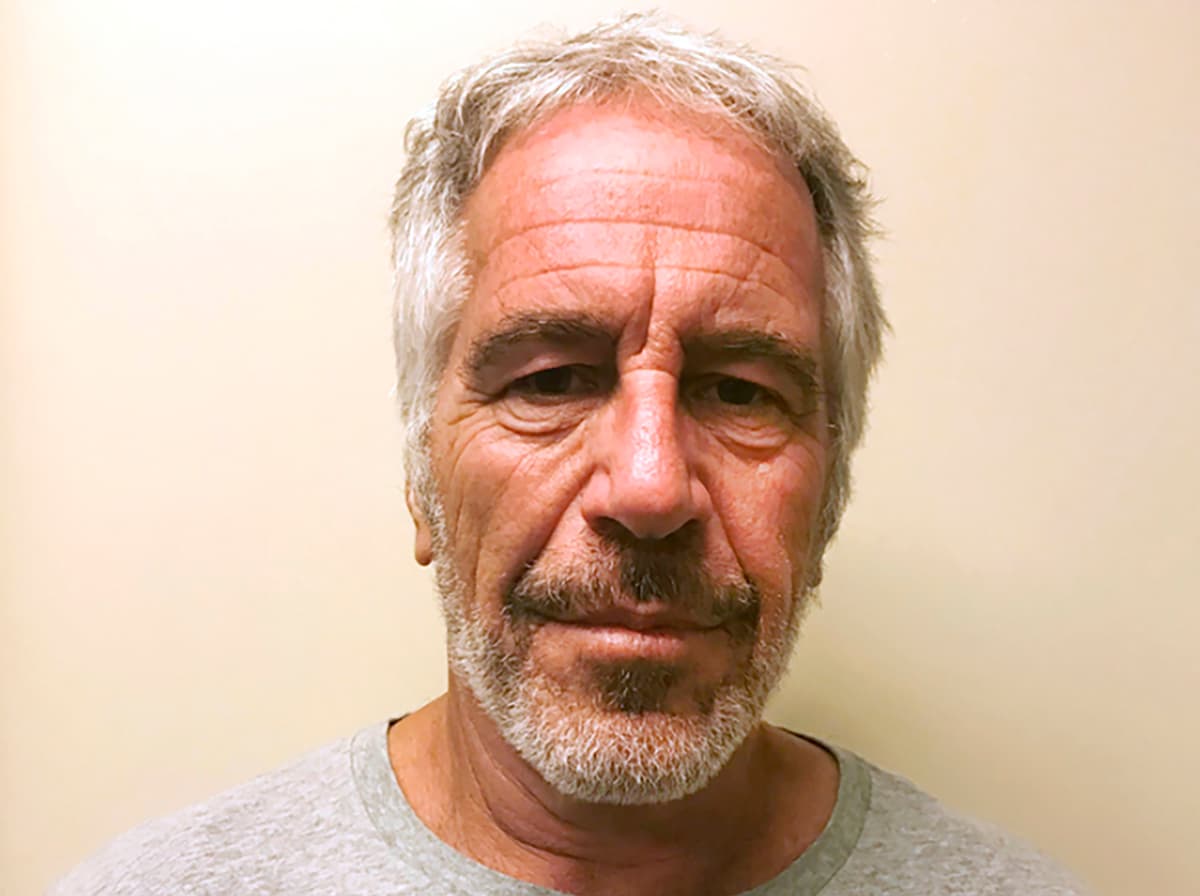

A federal judge is keeping grand jury records related to the 2019 indictment of Jeffrey Epstein under seal, arguing that the Department of Justice is looking for a “diversion” from the fact that it has yet to release more than 100,000 pages of documents related to Epstein. He says releasing the “70 odd pages” of grand jury files in his possession is not a compelling public interest, and could have negative effects on victims.
Judge Richard Berman was assigned to preside over the 2019 case against Epstein, which was later dismissed due to the notorious sex criminal’s suicide while in prison. In an effort to gain access to grand jury deliberations which would then be released to the public, the justice department asked Judge Berman last month to unseal the records.
Ms. Bondi’s effort at transparency came after nearly two weeks of incessant criticism about how poorly she had been handling the release of the Epstein files.
Judge Berman on Wednesday denied the motion to unseal the information, citing a lack of necessity given the documents in the justice department’s possession, as well as the safety and anonymity of both victims and witnesses.
“A significant and compelling reason to reject the Government’s position in this litigation is that the Government has already undertaken a comprehensive investigation into the Epstein case and, not surprisingly, has assembled a ‘trove’ of Epstein documents,” Judge Berman wrote in his order. “The government committed that it would share its Epstein investigation materials with the public.”
“The Government’s 100,000 pages of Epstein files and materials dwarf the 70 odd pages of Epstein grand jury materials,” he added. “The Government is the logical party to make comprehensive disclosure to the public of the Epstein files.”
The judge says that the attempt to unseal grand jury files “appears” to be a “diversion” from the “scope of the Epstein files in the Government’s possession.”
“The grand jury testimony is merely a hearsay snippet of Jeffrey Epstein’s alleged conduct,” the judge wrote in his ruling.
Judge Berman cites a letter from August 5 sent by several attorneys for Epstein’s victims. The lawyers argue that the immediate disclosure of any grand jury materials would negatively affect their clients’ privacy and safety.
Two alleged Epstein victims, who are identified in court documents only as “Jane Doe 1” and “Jane Doe 2,” personally wrote to Judge Berman to ask that he not grant the motion to unseal the grand jury files without a rigorous redaction process.
“It is imperative with the scrutiny over this media frenzy that the victims are completely and entirely protected,” Jane Doe 1 wrote to the court on August 4.
“I beg the court to make sure it is the upmost priority that in any sort of release ALL and EVERY detail that could possibly reveal our identities be redacted,” Jane Doe 2 wrote the same day.
Judge Berman goes through a list of criteria in his order to determine whether it is a compelling government interest to release the grand jury files, though at no point does he find a reason to do so. At one point, he notes that the administration’s request for information is so broad that he does not know what exactly would be released if he unsealed documents.
“The Government does not attempt to tailor discrete … items within the record. Nor does the Government seek leave to disseminate grand jury materials to a specialized audience,” Judge Berman writes.
He states that not one victim “was called to testify before the Epstein grand jury,” meaning that there would be no firsthand account of Epstein’s crimes in the record. “The only witness in the grand jury was a law enforcement FBI agent who had no direct knowledge of the facts of the case and whose testimony was mostly hearsay,” Judge Berman writes.