

Federal Judge Orders University of South Dakota To Reinstate Professor Suspended Over Post About Kirk’s Death
It is the first time a federal judge has weighed in on the firing or suspension of an educator over social media posts about Kirk’s death.
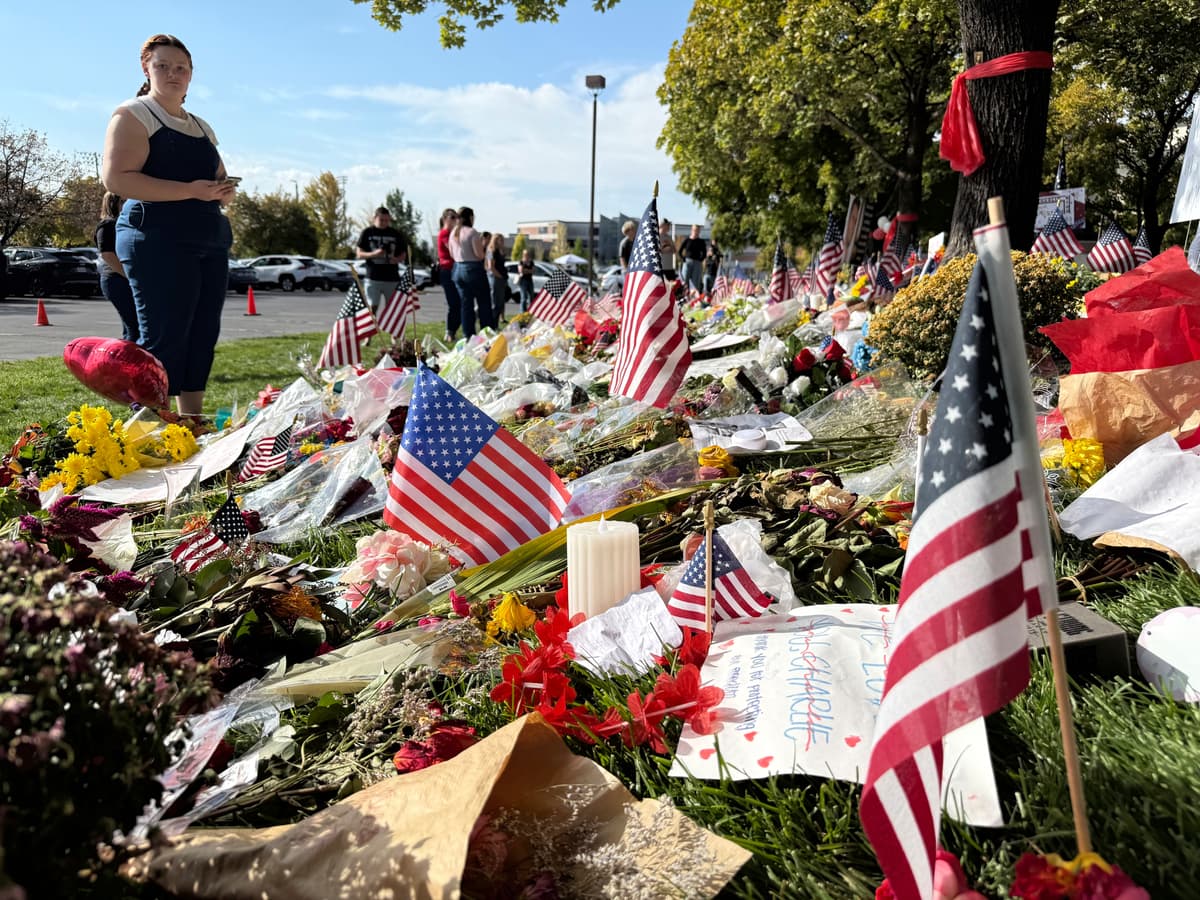
A federal judge has ordered the temporary reinstatement of a professor at the University of South Dakota who was suspended and faced dismissal over a dismissive social media post about the shooting of Charlie Kirk.
The professor is one of dozens of educators and others who have been fired or suspended as a result of media posts celebrating or minimizing the assassination on September 10 of the popular conservative activist.
The tenured art professor, Phillip Michael Hook, was suspended and notified that he would be fired shortly after he commented on his personal Facebook account about Kirk’s death. A federal judge, Karen Shreier, granted his request for a temporary restraining order on Wednesday, requiring the public university to reinstate him.
The ruling marks the first time a federal judge has weighed in on the firing or suspension of an educator over social media posts about Kirk’s death.
In a since-deleted post, Mr. Hook wrote, “I have no thoughts or prayers for this hate-spreading Nazi, a shrug maybe.” Mr. Hook added: “I’m sorry for his family that he was a hate-spreading Nazi and got killed. I’m sure they deserved better. Maybe good people can now enter their lives.”
The post outraged state Republicans, including the governor, Larry Rhoden, who said he was “shaking mad” about the message. The speaker of the South Dakota house, Jon Hansen, pushed for Mr. Hook to be fired. On September 12, two days after Kirk was shot, Mr. Hook was suspended and notified that he would be fired.
In granting Mr. Hook’s request for a temporary restraining order, Judge Shreier said a determination whether his comment was protected by the First Amendment “centers on whether his comments were made as a citizen and whether the speech “owes its existence” to the speaker’s professional responsibilities.
“The court concludes that Hook spoke as a citizen and his speech was on a matter of public concern. While at home and off work, Hook made the first post on his private Facebook page,” Judge Shreier wrote.
“Defendants note that Hook’s Facebook page identified himself as a professor at the University of South Dakota … but this alone does not show that a post made on his personal Facebook account is speech that arises from Hook’s duties as a professor.”
Judge Shreier also said the university did not produce “evidence to indicate the speech had an adverse impact on the efficiency” of its operations, which is a test for determining whether speech by a public employee is protected by the First Amendment.
She said that the university stated it received “hundreds” of calls and messages about Mr. Hook’s post, but she said the defendants did not provide evidence that those calls disrupted “the workplace or affected morale.”
“The court concludes that defendants took an adverse employment action against Hook and that Hook’s speech was the ‘substantial or motivating factor’ in defendants’ decision to place Hook on administrative leave and notify him of their intention to fire him,” Judge Shreier said.
She added that Mr. Hook has a “fair chance of prevailing” in showing that the university’s “intention to terminate his position as a professor materially changed the terms and conditions of his employment and that the change to his employment status would ‘chill a person of ordinary firmness’ from continuing to engage in First Amendment protected activity.”
The reinstatement will last until at least October 8, when Mr. Hook will be back in court seeking a longer preliminary injunction, to allow him to keep his job as his lawsuit plays out.
The University of South Dakota declined to comment on the decision, citing the ongoing litigation.
Several other educators at K-12 schools and colleges who were fired over social media posts about Kirk have also filed federal lawsuits challenging their terminations.