
Federal Judge Orders White House To Restore Live ASL Interpretation at Press Briefings
The court found that removing interpreters caused imminent harm and breached federal disability protections.
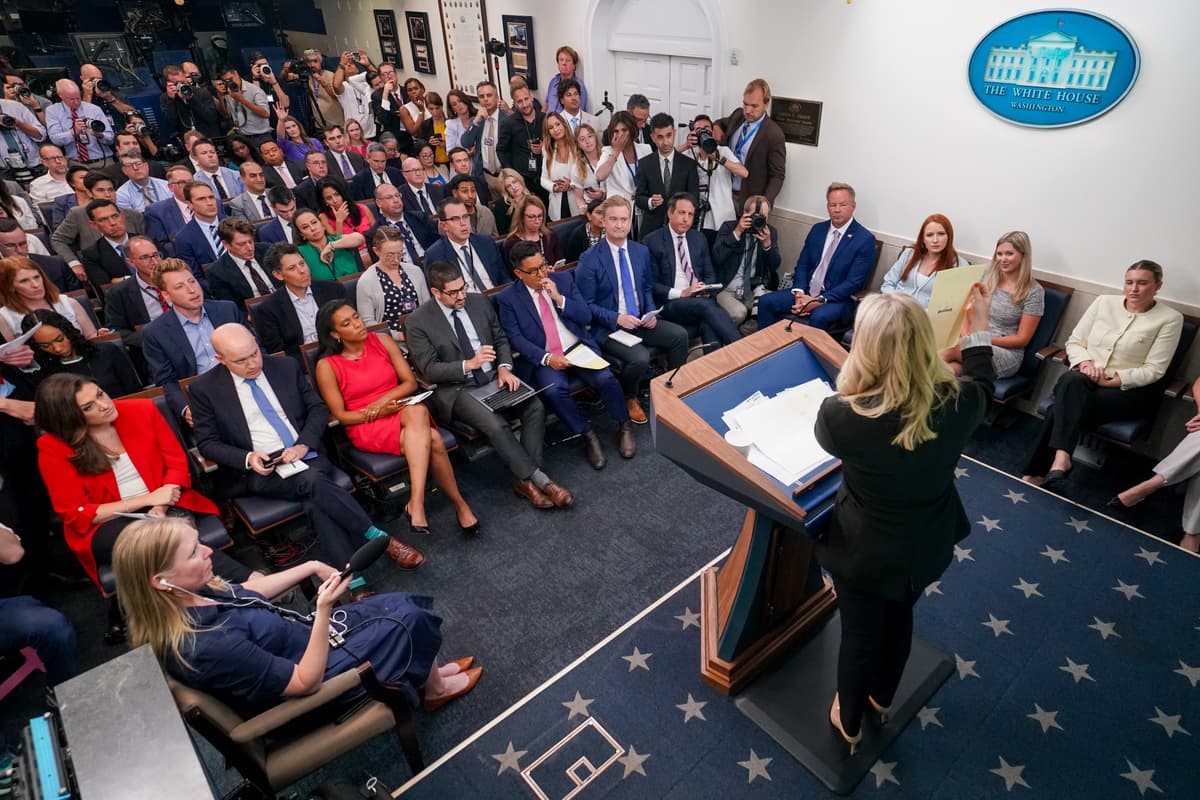
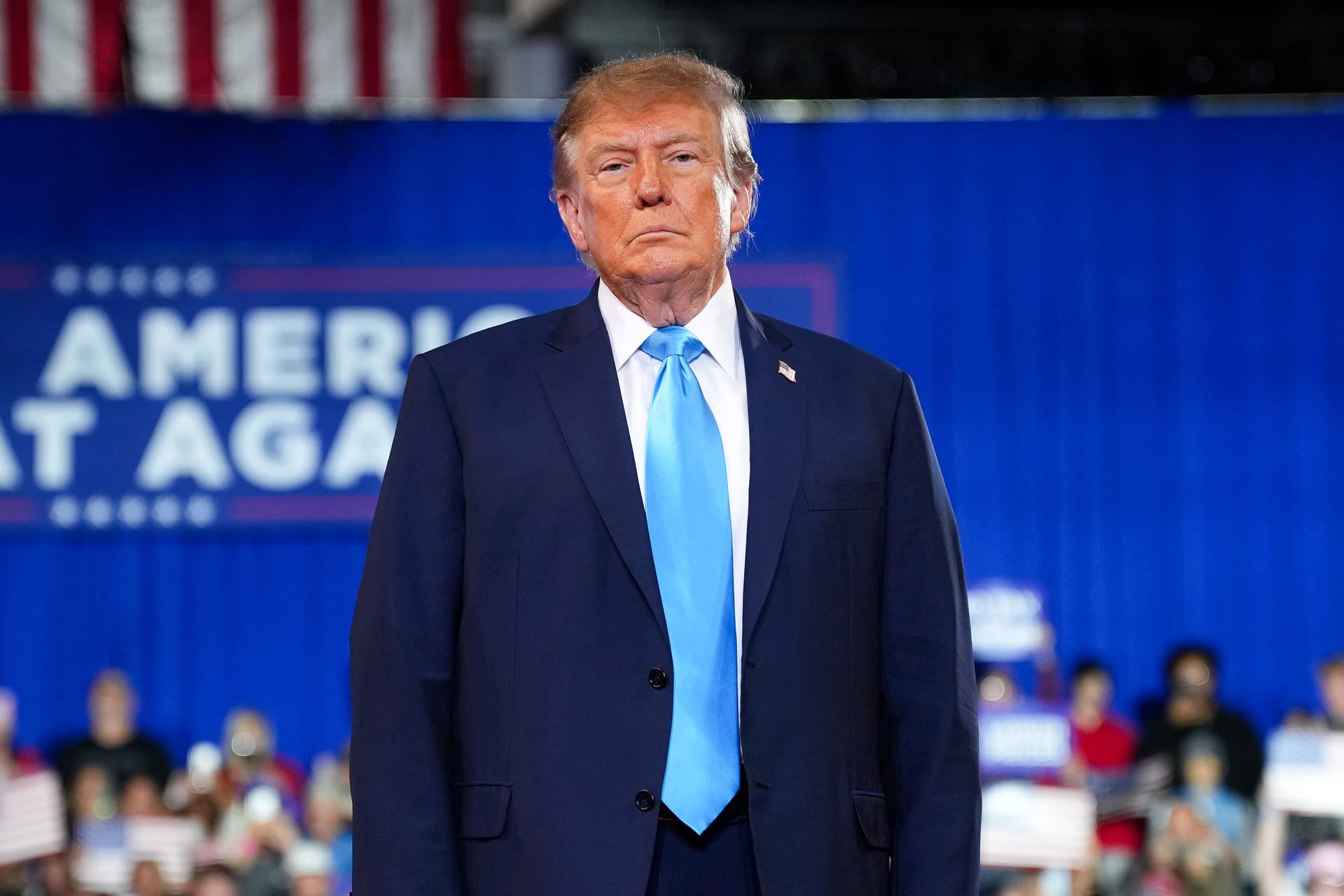
The White House will be forced to restore live American Sign Language interpretation at press briefings led by President Donald Trump or press Secretary Karoline Leavitt, following a federal judgeâs order.
U.S. District Judge Amir Ali found that the Trump administrationâs decision to end ASL interpretation illegally excludes deaf Americans from crucial government updates on war, the economy and public health. The judge also notes that evidence shows closed captioning and transcripts are insufficient alternatives.
âGiven the nature of the programming at issue here â regularly scheduled briefings on critical topics implicating markets, medicine, militaries, and myriads of other issues â the court finds that denying deaf Americans access to and the benefit of it presents a clear, present, and imminent harm,â The judge concluded in a preliminary injunction to require interpretation to immediately resume.
The ruling marks a victory for the National Association of the Deaf which filed a lawsuit against Mr. Trump, saying its members have suffered since the White House ended the Biden-era ASL interpretation policy in January. The group argues the decision violates the 1973 Rehabilitation Act, expanded in 1978 to bar the government from excluding people with disabilities from government programming and communications.
Judge Ali, a Biden appointee, did stop short of the NADâs request to require ASL interpretation at briefings by Vice President Vance, as well as his wife and First Lady Melania Trump. He also took issue with the Trump Administration claiming that the requirement would be a âmajor incursionâ on its prerogatives and apprehension to having an interpreter share the stage with the president.
âASL interpretation does not require a speaker to âshare his platformâ with anyone,â the judge said.
âThe evidence shows, and the court finds, that the defendants can readily implement remote ASL interpretation without an interpreter present in the same room as the speaker.â