Federal Reserve Expected To Hold Steady on Interest Rates for Another Month Despite Constant Complaints From Trump
The monthly meeting of the board governors and reserve bank presidents will be held in private after a judge rejects a bid to open deliberations to the public.
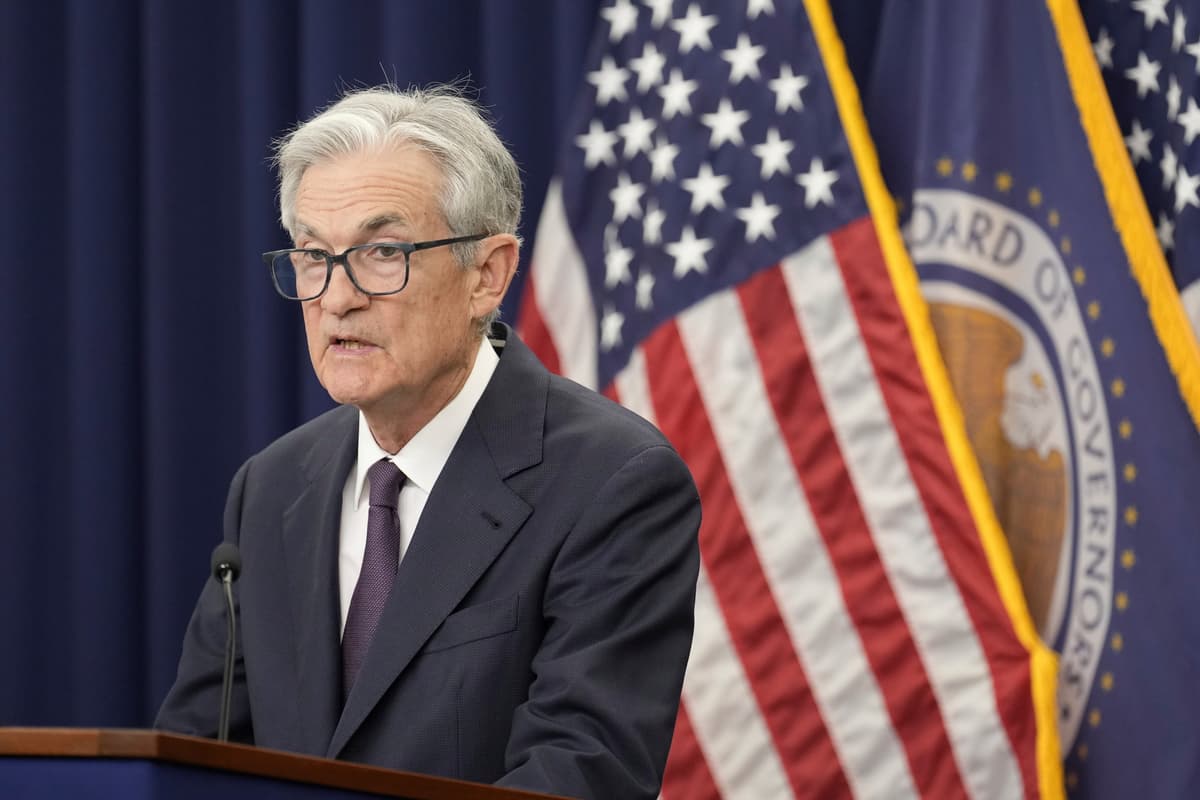

The Federal Reserve, facing pressure from the Trump administration and ahead of a tariff deadline this week, will meet Tuesday and Wednesday behind closed doors to decide on whether to cut a key interest rate.
The market has already baked into the cake its consensus that the 12-member Federal Open Market Committee will hold the federal funds rate — what banks charge each other for short-term loans — at 4.25 to 4.50 percent. Market observers are more interested in seeing any indicators of change on the horizon for the second half of the year, as well as any dissent among committee members.
After the June rate meeting, the chairman of the Federal Reserve, Jerome Powell, said he is anticipating two rate cuts this year. Analysts have been betting the first will come in September.
Mr. Powell, who was appointed by President Trump to the Federal Reserve in 2017, has been a frequent target of Mr. Trump for not cutting rates fast enough, even though he does not set rates on his own.
In a rare display of discord, two Trump appointees to the committee, the Fed’s vice chairwoman for supervision, Michelle Bowman, and a Fed governor, Christopher Waller, may issue votes against a majority ruling to keep rates where they are.
In an interview on Bloomberg TV earlier this month, Mr. Waller said he was considering a dissent if the committee voted to keep rates steady. “The private sector is not doing as well as everybody thinks it is,” Mr. Waller said, expressing concerns about a cooling labor market.
Signs of a cooling in hiring could make it easier to cut rates. The Bureau of Labor Statistics’ July jobs report will be released on Friday, after the policy meeting ends, but will factor into the next rate-setting meeting.
Other factors could affect votes by committee members. While the Trump administration says it has reached trade deals with several large trading partners, most recently the European Union, others remain unresolved. A trade war with China, for instance, could drive up inflation in America because of the large number of goods American consumers buy from Chinese manufacturers.
Hikes in the prices of consumer goods as a result of tariffs could affect longer term rates that the Fed doesn’t directly control, like those for mortgages and auto loans. But higher tariffs so far have had less impact on the economy than first feared when Mr. Trump announced “Liberation Day” in April.
No matter what the Federal Reserve decides to do this week, the decision will be held away from prying eyes. On Monday, a U.S. District Court judge rejected issuing a temporary restraining order to open the meeting to the public as part of a lawsuit brought by an investment firm headed by an ally of Mr. Trump.
Azoria’s suit claims that the Federal Reserve is maintaining high interest rates to undermine Mr. Trump’s economic agenda and that holding the deliberations in closed-door sessions is illegal.
Judge Beryl Howell, who has previously knocked down executive orders issued by the president, rejected the argument, ruling that the Federal Open Market Committee is not subject to federal Sunshine Act laws requiring open meetings. She also questioned whether the lawsuit was a publicity stunt by the investment firm to draw attention to a new fund.
In a statement issued after the ruling, Azoria’s founder, James Fishback, noted that Judge Howell did not grant the temporary restraining order, but also did not dismiss the larger case.
“[T]he Federal Reserve’s lawyers conceded that tomorrow’s Federal Open Market Committee (FOMC) meeting is actually being jointly held with the Federal Reserve Board of Governors, which the Federal Reserve’s attorneys conceded is in fact subject to the Sunshine Act. Azoria believes these joint meetings between the FOMC and Board of Governors may be an attempt to dodge the Sunshine Act and deny Americans their legal right to know what the Federal Reserve is actually doing.
“Azoria looks forward to continuing our case and fighting for transparency and accountability for all Americans,” he said.