
Florida Bill Mandates Human Oversight for AI in Insurance Claim Denials
Investigations have found that major insurers are using algorithms to generate denial letters in bulk.
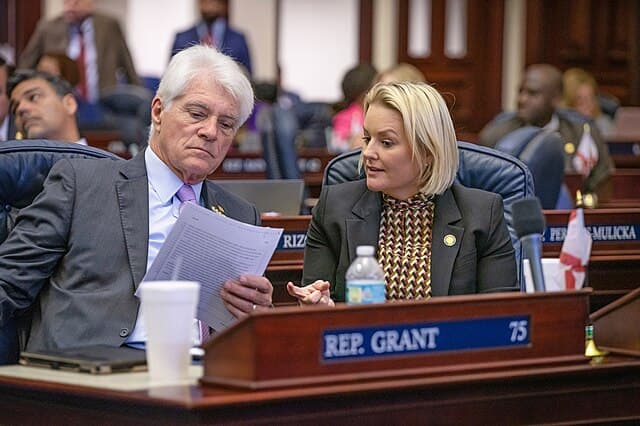
A Florida House panel has unanimously approved a bill that would require a human to make the final decision on whether an insurance claim is denied or reduced.
The proposal aims to create a safeguard against the increasing use of artificial intelligence in the insurance industry, ensuring that automated systems alone cannot reject claims.
“No Floridian should ever have a claim denied based solely on an automated output,” said the bill’s sponsor, Representative Hillary Cassel. The Republican says the proposed legislation “establishes a clear and reasonable safeguard.”
The House Insurance & Banking Subcommittee passed the measure on Tuesday, gathering support from hospital and doctor associations while facing opposition from insurance industry groups. The move comes during what House Speaker Daniel Perez has declared “Artificial Intelligence Week,” a period dedicated to examining the impact of the rapidly advancing technology.
The bill clarifies that while insurers can use AI and algorithms to process claims and recommend approvals or denials, the ultimate authority must rest with a person. It states that “a carrier’s decision to deny a claim or any portion of a claim or a payment claim reduction must be made by a qualified human professional.”
The push for human oversight comes amid growing concerns over high claim denial rates. In 2023, data from KFF showed that 20 percent of all claims under Affordable Care Act marketplace plans were denied. Similarly, audits have revealed that insurers frequently deny or delay millions of care requests within Medicare Advantage, which covers more than 30 million Americans. Despite this, fewer than 1 percent of ACA plan denials are appealed.
Florida residents have also complained about high denial rates on claims for damage caused by hurricanes and other major storms.
In recent years, AI has amplified this issue. Investigations have found major insurers using algorithms to generate denial letters in bulk, sometimes almost instantaneously and against the recommendations of treating physicians.
A 2022 ProPublica report showed that Cigna used an AI-driven system to deny more than 30,000 claims in just two months, often without a human review. The following year, a class-action lawsuit accused UnitedHealth of using its AI tool, nH Predict, to prematurely cut off care for elderly patients.
That lawsuit was filed in 2023, just a year before UnitedHealth CEO Brian Thompson was murdered on a New York City street prompting wide discussion about how insurance giants use denials to control their costs.
“The genesis of this bill came to me with the murder of the United Healthcare CEO. One of the alleged motives was the denial basis by that company, and there’s currently a class action that shows allegedly that 90 percent of their claims were denied with errors when they utilized AI,” Ms. Cassel said.
Representatives from the Florida Insurance Council, the American Property Casualty Insurance Association, and the Personal Insurance Federation of Florida argued against the bill. They said it could slow down the claims process and increase consumer costs, maintaining that existing laws already ensure fair claims handling.
“This is a policy decision for the legislature,” the state’s insurance commissioner, Michael Yaworsky, told a Senate committee last month, according to WUFS. He expressed a desire for a regulatory path where, “if it is being used, it is being used responsibly, known to the regulator.”
An amendment has expanded the bill to include workers’ compensation and HMOs. The bill now heads to another committee before it can reach the House floor.