RFK Jr. Confirmed as Health Secretary After Making Concessions to Senators on Vaccines, Research Funding, and Abortion
The Kennedy scion has been ostracized by his own family since he launched his presidential bid and after later endorsing President Trump.
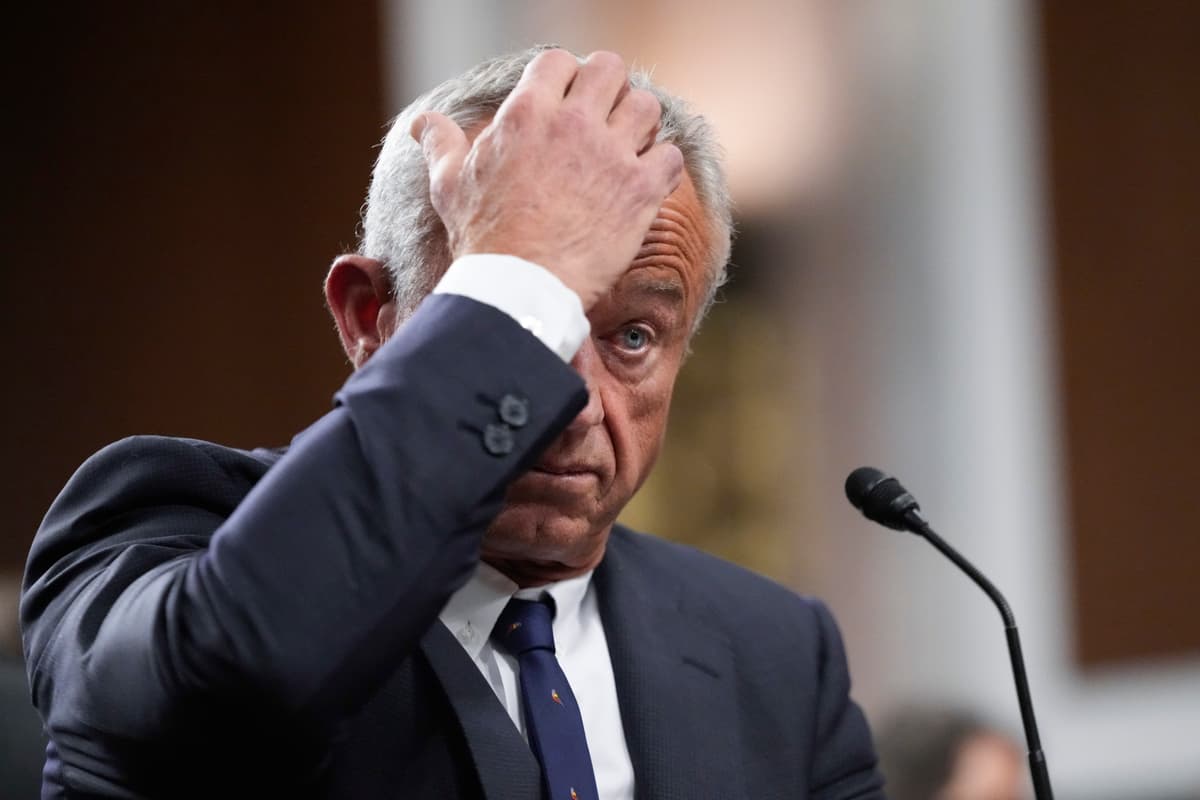

Robert F. Kennedy Jr. has been confirmed to be the next Secretary of Health and Human Services after a lengthy confirmation process that saw him make major concessions to Republican senators on everything from vaccines to research funding to government funding of abortion. His “Make America Healthy Again” movement was seen as a critical component of President Trump’s success in 2024.
Mr. Kennedy was confirmed on a party-line vote 52-48, with no Democrats supporting his nomination. A steady lobbying effort by the White House helped clinch the confirmation, including calls made by Vice President Vance to the chairman of the Senate Health, Education, Labor, and Pensions Committee, Senator Cassidy, who himself is a physician.
In order to win confirmation, Mr. Kennedy had to make a number of concessions to key Republican lawmakers, however. Senator Hawley in December said that he was cautiously optimistic after a meeting with Mr. Kennedy that the nominee would back Mr. Trump’s plans to end all government funding for abortions, despite Mr. Kennedy being a lifelong supporter of abortion rights.
Just two days before Mr. Kennedy came before the HELP Committee, Mr. Hawley told The New York Sun that he was still undecided on whether or not to support him. Under questioning from Mr. Hawley at the confirmation hearing, Mr. Kennedy reiterated that he would help curb the number of abortions in America, which led the Missouri senator to consent to the nomination.
Two other key moderate lawmakers — Senator Collins and Senator Murkowski — both announced just in the last 48 hours that they would support Mr. Kennedy after he promised to help them with issues important to their states.
Ms. Collins has been ringing alarm bells about the federal funding freeze on things like grants from the National Institutes of Health which have been used to fund medical research in her native state of Maine. She said in a statement on Tuesday that Mr. Kennedy promised to help re-examine the funding freeze and get those grants unlocked, leading her to issue a statement in support.
Ms. Murkowski said she had concerns about Mr. Kennedy’s views on vaccine safety, but said that she could support him after he said he would not make it “difficult” for Americans to access vaccines if they chose to use them. She also said that his work with indigenous groups — a population that is sizable in Alaska — was admirable.
“I am encouraged by the time he has spent among indigenous peoples, his commitment to tribal sovereignty, and his promised attention to the Indian Health Service. He has spent time in rural Alaska and understands some of the unique public health challenges we face that require complex solutions,” Ms. Murkowski said Wednesday. “There is much shared work ahead to achieve better public health outcomes, and I will push Mr. Kennedy to realize these goals.”
Many saw his nomination to be health secretary as a reward by the president after Mr. Kennedy aided Mr. Trump’s bid for the White House last year. At the time he dropped out, Mr. Kennedy was polling in the high single digits nationwide, and that support came overwhelmingly from those who otherwise would have supported Mr. Trump. Nationally, Mr. Trump only ended up winning the popular vote by less than two points.
Mr. Kennedy saw an interest in his campaign spike after he left the Democratic primary to run as an independent against both President Biden and Mr. Trump. According to a survey from Gallup prior to his decision to leave the race and back the current president in August, 25 percent of those who supported Mr. Kennedy were under the age of 30 — the largest share of all presidential candidates last year. Vice President’s Harris base was only 17 percent under 30, while just 9 percent of Mr. Trump’s supporters were under the age of 30.
Mr. Kennedy has said that his support among those between the ages of 18 and 29 was likely due to his decision to speak to voters directly through long-form podcast interviews, which is how the newest generation of voters are consuming their news.
What was critical to Mr. Trump’s victory last year was a flood of support from low-propensity voters who were overwhelmingly young and male — a group that was the backbone of Mr. Kennedy’s campaign when it was going on. His support of Mr. Trump could have helped him clench that string of victories across all seven swing states, where the president won by just more than 200,000 votes in the Electoral College.
Some believed that there were at least a few Senate Democrats who might break ranks and support Mr. Kennedy’s nomination, though that did not materialize. Senator Sanders, who, like Mr. Kennedy has long been critical of the healthcare and pharmaceutical lobby’s influence in the nation’s capital, announced just before the committee vote that he would not support the health secretary nominee.
Senator Whitehouse — a longtime friend of Mr. Kennedy’s, having roomed with him in law school and attended one of his weddings — similarly withheld judgment on the nominee until the committee process. Mr. Whitehouse, like Mr. Sanders, ultimately did not back the nominee.