
House Republicans Unveil Healthcare Bill, Setting Stage for Clash Over Obamacare Subsidies
Enhanced subsidies are set to expire at the end of the year, potentially leading to increased premiums for 22 million Americans.
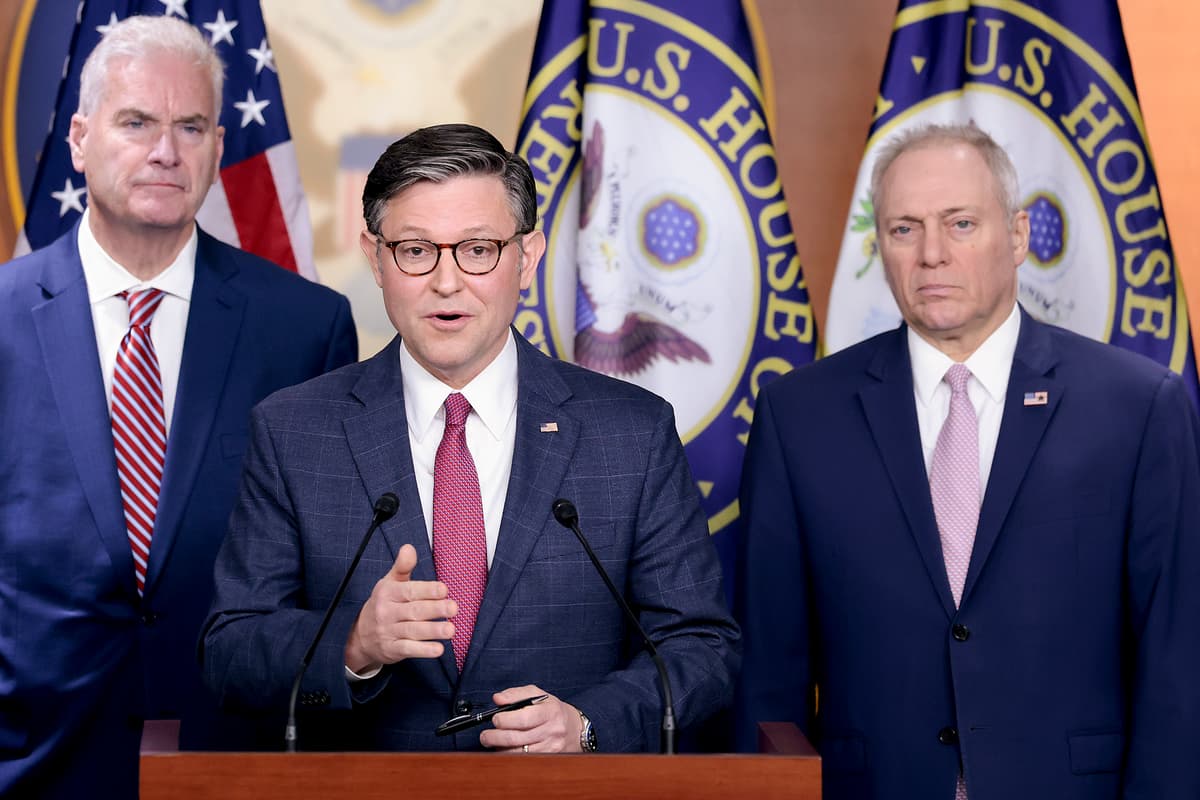

House Republicans have set the stage for a fiery debate next week on a proposed raft of changes to public healthcare which they are calling the “Lower Health Care Premiums for All Americans Act.”
The bill includes several conservative-favored policies, such as reforms to how pharmacy benefit managers operate and a restructuring of cost-sharing reductions. The package notably does not include a direct extension of the expiring enhanced ObamaCare subsidies.
However, in a concession to moderates who have demanded a vote on the issue, GOP leaders signaled they will allow a vote on an amendment that would extend the subsidies.
“We expect that there will be an amendment that I believe is being worked on. So, the process will allow for that amendment,” a House Republican leadership aide told The Hill.
That decision follows intense internal pressure. With enhanced subsidies set to expire at the end of the year — potentially leading to increased premiums for 22 million Americans — moderate Republicans Jen Kiggans and Brian Fitzpatrick launched discharge petitions to force a vote.
While the exact contours of the amendment are not yet settled, it is viewed as a way to provide political cover for members in swing districts. However, the amendment faces a difficult path. Democrats are not expected to support the broader GOP package even if amended, and hard-line conservatives may view the addition of subsidies as a reason to sink the entire bill.
Representative Ralph Norman of South Carolina, a Republican member of the Rules Committee, expressed opposition to the subsidy extension but acknowledged the political maneuvering regarding the discharge petitions.
The House is expected to vote on the package next week as lawmakers race to finalize legislative business before the holiday recess.
The underlying bill incorporates policies that have cleared key Republican committees, focusing on transparency and employer-based health options. Key provisions include:
-Cost-Sharing Reductions: The bill appropriates funds to pay for “cost-sharing reductions” available to low-income customers enrolled in “silver” plans, the second lowest in the four-tiered program. Since direct government reimbursements to insurers were prohibited by a 2016 lawsuit, the companies have made up the lost revenue by charging more for silver plan premiums. However some analysts suggest the provision could decrease the overall amount of subsidies available to enrollees.
-CHOICE Accounts: Based on legislation by Representative Kevin Hern of Oklahoma, this provision allows employees to use pre-tax dollars to purchase their own health insurance rather than join a traditional group plan.
-Association Health Plans: Reflecting proposals by Representative Tim Walberg of Michigan, the bill would allow small businesses and self-employed individuals to band together to purchase health insurance as if they were a single large employer.
-Stop-Loss Policies: The “Self-Insurance Protection Act” promoted by Representative Bob Onder of Missouri would allow businesses funding their own plans to purchase policies protecting them from bankruptcy due to catastrophic claims. Democrats have opposed this, arguing it restricts states from regulating insurance products.
-PBM Reform: The package includes transparency measures for pharmacy benefit managers (PBMs), the middlemen who negotiate drug prices.
The Democratic Party leadership has already signaled strong opposition to the package. Speaking on MS NOW on Friday, House Minority Leader Hakeem Jeffries of New York dismissed the GOP plan.
“Their health care package, as I understand it, is likely to be a disaster and actually not enhance the health care of the American people. It will take away from it. So it’s not clear to me that, even if it’s amended … that it will actually solve the problem of addressing the Republican health crisis,” Mr. Jeffries said.
On the other side of the Capitol, Senate Republicans are watching closely. While four Republican senators recently voted to advance a Democratic proposal for a three-year Obamacare subsidy extension, Majority Leader John Thune remains cautious about the House’s approach.
“I’ve talked to the speaker, and I think he’s trying to gauge where his members are and see what the traffic will bear over there,” Mr. Thune told the Associated Press.