How Writers Are Working To Revive Literary Biography
One way to woo readers to literary biography is to make it about itself, turning biography into a mystery or adventure story featuring the biographer-protagonist.
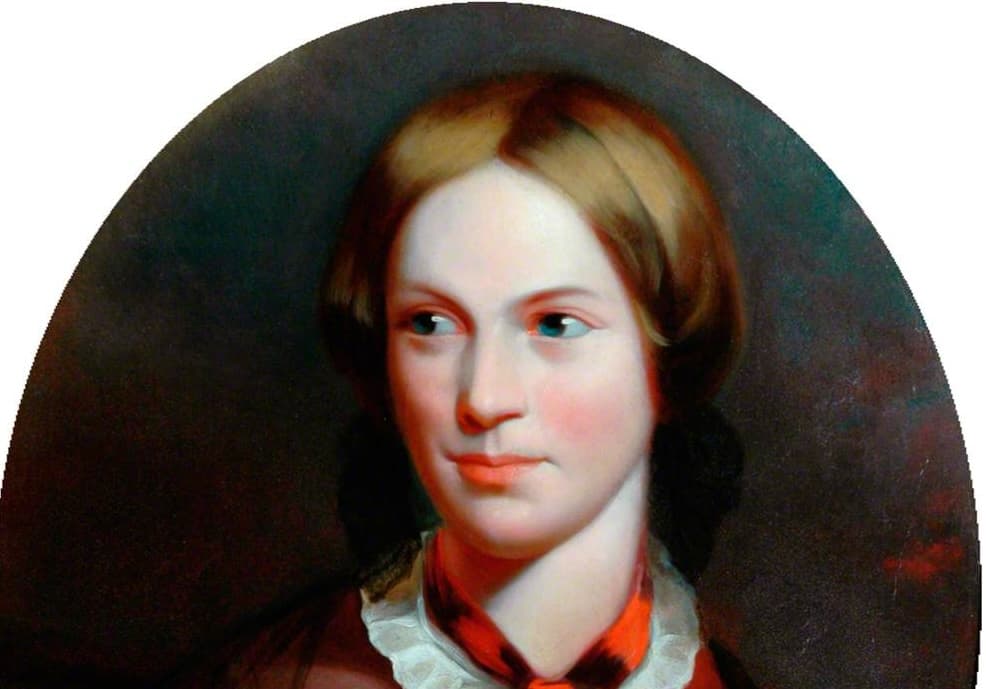
‘The Invention of Charlotte Brontë: A New Life’
By Graham Watson
Pegasus Books, 288 Pages
‘Electric Spark: The Enigma of Dame Muriel’
By Frances Wilson
Farrar, Straus and Giroux, 432 Pages
“The Key to Everything: May Swenson, A Writer’s Life’
By Margaret A. Brucia’
Foreword by Paul Crumbley and David Hoak
Princeton University Press, 288 Pages
‘Fearless: A Biography of Edna O’Brien’
By Cathy Curtis
Atmosphere Press, 490 Pages
Who reads literary biographies these days? The question is pertinent because the audience and the advances for literary biography have been shrinking since the 1980s. Of course certain subjects, like the Brontës, are perennials, though even then their latest biographer essays a new angle: Graham Watson starts his book showing how Elizabeth Gaskell pried open the mysteries of the Brontë parsonage, superintended by a father who hovered about tending to the legacy of his famous daughters.
In short, one way to woo readers to literary biography is to make it about itself, turning biography into a mystery or adventure story featuring the biographer-protagonist. So it is that Frances Wilson starts with Martin Stannard, authorized biographer of Evelyn Waugh, being engaged by Muriel Spark, Scottish novelist and woman of letters, to write a reliable biography. Instead, he delivered, in her words, a “hatchet job, full of insults.”
Ms. Wilson fastens on Stannard as a way of getting at the psychology of a subject who was herself a biographer and should have realized that Stannard was never going to be able to please her with anything that she had not written herself. Literary biography is always, in some sense, a contest between subject and biographer, as Boswell revealed in his many amusing contretemps with Samuel Johnson.
Another enticement to literary biography is, evidently, the double-barreled foreword by two Swenson adepts who roll out Ms. Brucia’s biography of “the life and loves of a major American poet” as touted in the blurb by another renowned poet, Grace Schulman, with this claim: “Few writers can have worked harder or persevered longer to reach the pinnacle of their craft than May Swenson.”
E.L. Doctorow once said to me that no one would want to write his biography because he was not a man of action. How do you make a drama out of putting words on a page? He was expressing a common theme in the commentary on literary biography. So much happens within the creative mind that is inaccessible not only to biographers but perhaps to their subjects as well.
So, addressing a reading public with supposedly shortened attention spans, biographers have taken to picturing themselves as mountain climbers trying to reach the pinnacles of their subjects, or on the road with Elizabeth Gaskell, or coming to the rescue of fellow biographers like Martin Stannard.
It is now not enough to title a biography “James Joyce,” as Richard Ellmann did in 1959, or at most adding a subtitle such as “A Biography” or “A Life” or “The Life of” because the literary figure, not the biographer, sold the book. In 1985, the renowned Richard Holmes broke through the staid decorum of biography with “Footsteps: Adventures of a Romantic Biographer,” depicting his own picaresque roadtrip quest to research the lives of Mary Wollstonecraft, Percy Shelley, Robert Louis Stevenson, and other Romantic writers.
Today’s biographers often supply a headline, as in Cathy Curtis’s “Fearless: A Biography of Edna O’Brien,” which could refer to both biographer and subject, intimating they are both part of the same derring-do story. The biographer launches full speed into her subject’s life and work: “It sounds like a great problem to have: In 1960 an unknown twenty-nine-year-old Irish author publishes her first novel, The Country Girls, a groundbreaking coming-of-age story about two young women in rural Ireland. Although the book is banned in her home country, it sells wonderfully elsewhere, gets terrific reviews, and inspires two sequels. Her instant fame leads to obsessive media interest in her personal life. Over the years she burnishes her public image with a personality by turns vivacious, wistful, impassioned, or glamorous, and with breathtakingly candid interviews.”
Now we are set up for the intriguing second paragraph: “But Edna O’Brien’s life had not been easy.” Welcome to the rebirth of literary biography.
Mr. Rollyson has written literary biographies of Lillian Hellman, Martha Gellhorn, Norman Mailer, Rebecca West, Susan Sontag, Amy Lowell, Sylvia Plath, and William Faulkner.