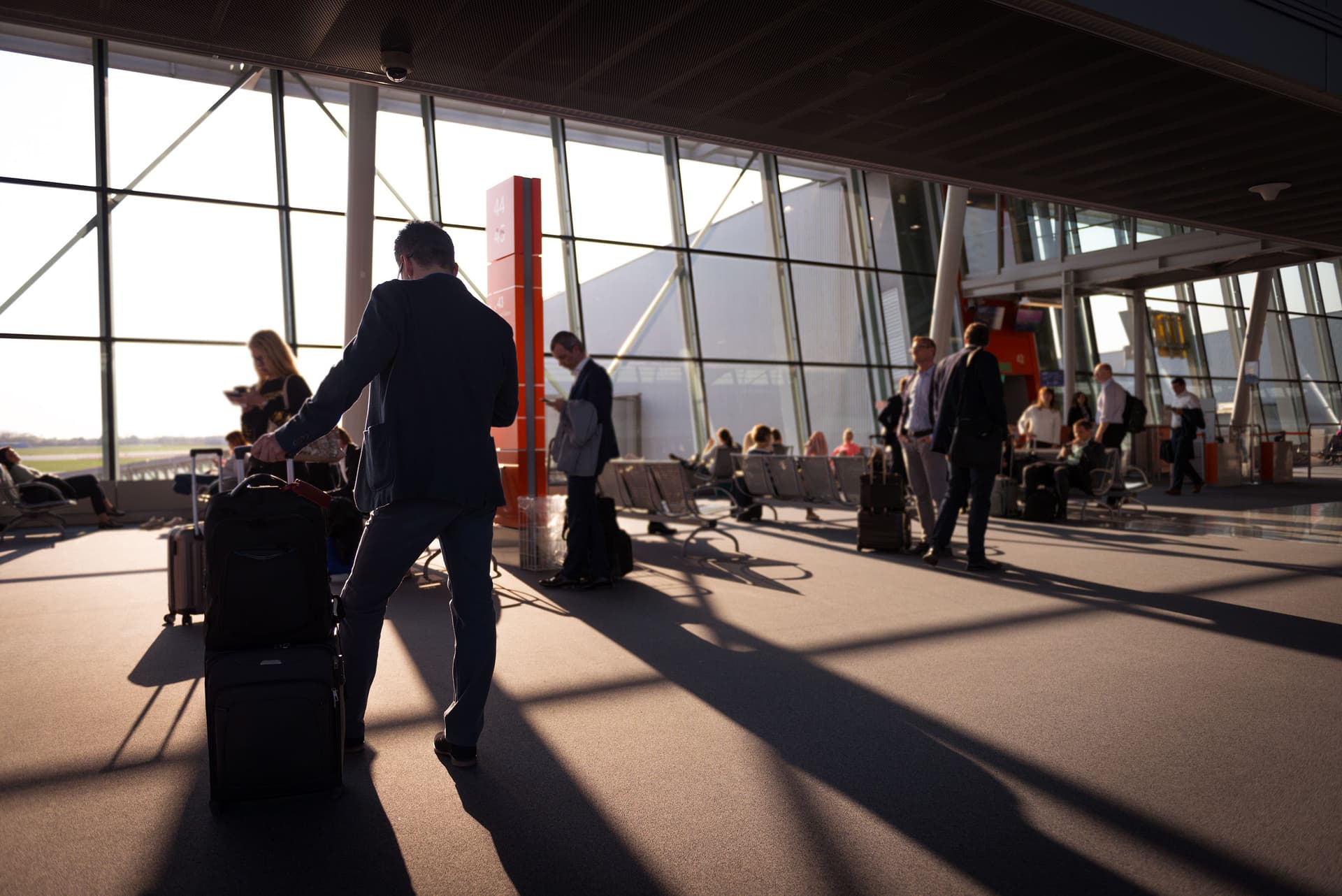
Hyundai’s Employees Flying Home to Korea From Georgia, Leaving Trail of Anger and Doubt About Investments in America

Trump tries but fails to work out a deal under which the Koreans could train Americans in skills needed to build and operate a battery plant.

Kim Hong-Ji/pool via AP
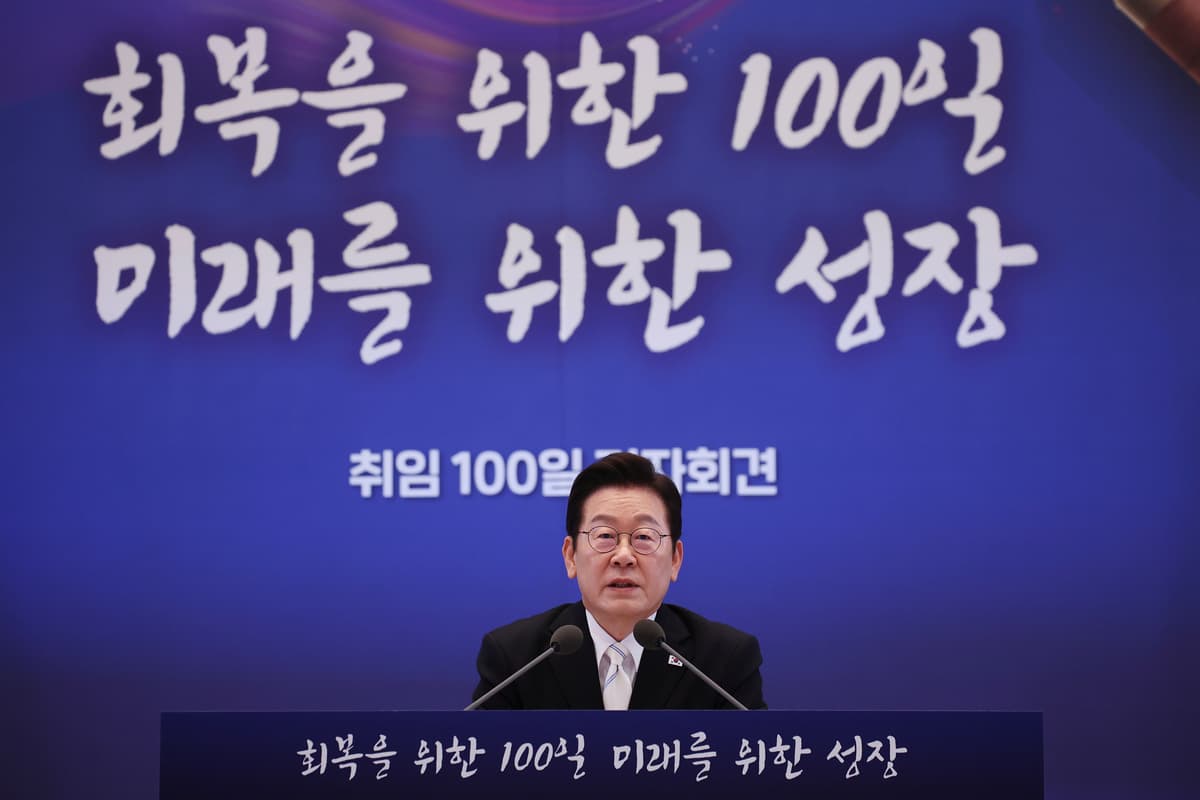
President Lee Jae Myung at Seoul, South Korea, September 11, 2025. Kim Hong-Ji/pool via AP

More than 300 Koreans — mostly skilled engineers and technicians — are flying home from Georgia, leaving behind a trail of anger and fear for the future of Korean industrial investment in the wake of their arrests last week at a huge Korean plant under construction in that state.

The Korean employees were being transported free of handcuffs from a detention center at Folkston, Georgia, to a chartered flight at Atlanta after President Trump reportedly tried to work out a deal under which they could train Americans in the skills needed to build and operate the plant near Savannah, Georgia, for fabricating batteries for electric vehicles.

Koreans working on the joint venture of two of Korea’s biggest conglomerates, Hyundai Motor and LG Energy Solutions, chose to go home rather than stay longer while American and Korean diplomats resolve the issue that led to their arrests. Most were said to possess visas that authorize them to visit America but not to hold jobs here.

At a background briefing at Washington for Korean journalists, a Korean foreign ministry official said the Korean Air chartered flight had been delayed a day while Mr. Trump “urged the detained Koreans to remain in the U.S. to train American personnel,” according to Korea’s most popular newspaper, Chosun Ilbo.

A Korean journalist at the briefing told the Sun the Koreans believe the Americans do not have the expertise and knowledge for fabricating the complex machinery needed for the plant. The immigration raid was expected to result in a lengthy delay in building the plant, set for completion next year, even though the Americans and Koreans appear to have resolved the immediate problem.

A big reason for delaying the flight to Korea was that the Koreans strenuously objected to the prospect of immigration officials handcuffing the factory staffers for the grueling 288-mile, four-hour bus ride to the plane from the detention facility. South Korea’s president, Lee Jae-myung, at a press conference at Seoul marking his 100th day since his inauguration, said it had taken “a directive from the White House” — presumably at the behest of Mr. Trump — to drop the handcuff order.

Korea’s foreign minister, Cho Hyun, having “reconfirmed that they would not be handcuffed,” said American officials had also promised that none of the employees would “face disadvantages upon reentering the U.S.”  The inference was they could apply for proper visas and come back rather than wait out the five-year period normally required for people who have had to leave America if caught working illegally in the country.

The 316 Koreans on the charter were joined by 10 Chinese, three Japanese, and one Indonesian citizen, all handcuffed in the biggest single immigration raid in American history while helicopters hovered overhead. Just one Korean opted to remain, for what the Korean press said were “personal reasons.”

Diplomatically, officials on both sides seemed happy. Mr. Cho, talking to Korean journalists, seemed delighted with the outcome. 

“The smooth resolution of the detention of Korean nationals was thanks to the trust between the leaders of South Korea and the U.S.,” Seoul’s Yonhap News quoted him as saying. After meeting with Secretary Marco Rubio, Mr. Cho said the Americans and Koreans would “swiftly discuss creating new visa categories aligned with our companies’ investments in the U.S.”

Mr. Lee, however, feared the episode would have much broader repercussions despite his success at a recent White House summit. He was able to persuade Mr. Trump to hold tariffs to 15 percent, down from much higher rates previously threatened, after promising fresh Korean investment in American industry of more than $500 billion.  

Yonhap quoted Mr. Lee as saying, as a result of the immigration raid, Korean companies could find it “disadvantageous or difficult to set up a factory” in America, “so they can’t but agonize over it.”


The New York Sun

© 2025 The New York Sun Company, LLC. All rights reserved.

Use of this site constitutes acceptance of our Terms of Use and Privacy Policy. The material on this site is protected by copyright law and may not be reproduced, distributed, transmitted, cached or otherwise used.

The New York Sun

Sign in or  create a free account

or
By continuing you agree to our Privacy Policy and Terms of Use