
Israeli Increases of Food Aid to Gaza Marks Start of New PR Strategy as UN Re-Ups Talks on a Two-State Solution

Hamas exploited its own population, says the IDF, as it shows hundreds of truckloads of food aid, goods, and medical supplies sitting at a border crossing.
Israeli Defense Forces via X
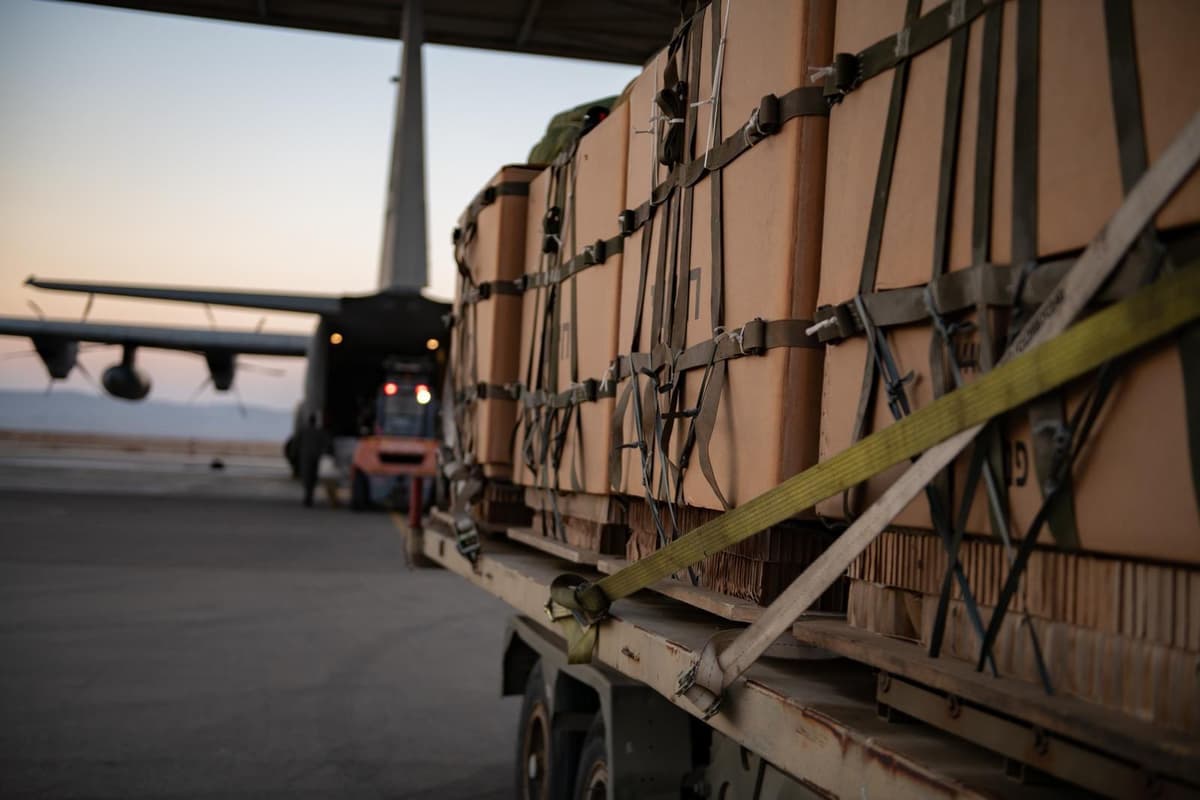
Israel began dropping food aid in Gaza after concerns of widespread malnutrition resulting from Israel's ongoing war with Hamas. Israeli Defense Forces via X

Rejecting claims of mass starvation in Gaza as a “false campaign promoted by Hamas,” Israel’s Defense Forces announced it is temporarily pausing some military actions in the strip to create humanitarian corridors to enable safe movement of United Nations convoys delivering food aid.

Following huge blowback of Israel’s attempts to deliver aid to Gaza through its American-backed Gaza Humanitarian Foundation, Israel relented over the weekend on its limitations for routes used by United Nations’ and other aid trucks entering Gaza. The change of heart came after reports of imminent starvation of Gaza’s residents sparked global criticism of Israel, even as Israel showed pictures of hundreds of stalled truckloads of international aid rotting in the sun. 

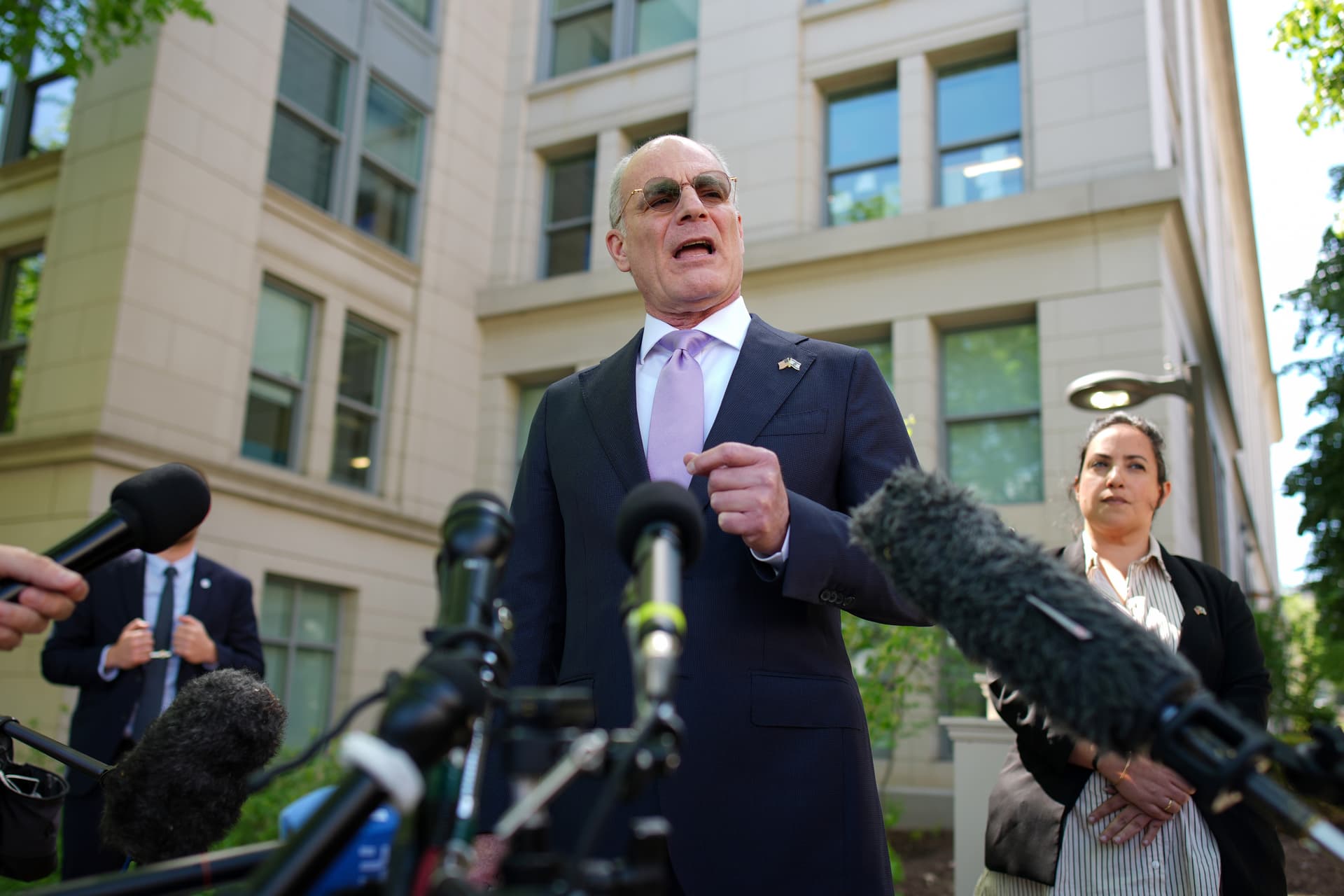
“I cannot emphasize enough: Israel is not blocking humanitarian aid,” said an IDF spokesman. “We are facilitating its entry every single day.” 

An IDF statement on Saturday said that with the additional activity it expects the United Nations and other international food distribution organizations “to improve the effectiveness of aid distribution and to ensure that the aid does not reach Hamas.”

The IDF said combat operations will not cease but a 10-day window of limited actions will facilitate the safe delivery to populated areas. The IDF also began dropping food supplies by helicopter and announced it is reconnecting a power line to Gaza’s desalination plant to boost daily water output. 

The United Arab Emirates is also set to begin installing a new water pipeline to the Gaza Strip from Egypt under Israel’s supervision. The pipeline would supply water for approximately 600,000 residents. Transports of necessary equipment began on Sunday through the Kerem Shalom Crossing.

Israel’s efforts were met with muted response. 

“Today’s announcement of a temporary pause by the IDF to allow humanitarian corridors to open and aid drops to resume is essential but long overdue,” said Britain’s Foreign Secretary David Lammy. 

“The measures announced by the Israeli government must be followed by new and concrete measures quickly,” added Germany’s chancellor, Friedrich Merz. 

As Israel’s war with Hamas drags on, United Nations’ member nations led by France and Saudi Arabia are preparing to revisit a two-state solution that organizers say will create a viable vision this time — one that may include Arab caretakers of Palestinian territories.

The ministerial conference at New York scheduled to begin Monday aims to secure commitments from the Palestinian Authority and Arab countries to support a solution that would include security guarantees for Israel. A follow-on summit is expected in September. America and Israel have panned the event, calling it reckless and an affront to the victims of October 7.

Nonetheless, France’s foreign minister, Jean-Noel Barrot, cast the meeting as a pathway to further Arab recognition of Israel. “We’re paving the way for the future Abraham Accords that the U.S. administration might lead,” Mr. Barrot told CBS’ “Face the Nation.”

On Friday, France announced it will recognize a state of Palestine at the United Nations this September, the first Western nation of the Security Council to do so. Mr. Baddot said this week’s meeting will focus on disarming Hamas, reforming the Palestinian Authority, including new elections, and bringing Arab countries together to condemn Hamas for the first time.

Despite calls for disarmament, ceasefire talks with Hamas have yielded few results. After another breakdown in communications over the weekend, Mr. Trump said Sunday that without interest by Hamas to negotiate, Israel must make a decision. 

“The time has come to bring the hostages home; there are 20 living hostages and the remains of others. There are many parents who want their loved ones’ remains returned,” he said while in Scotland. 

Hamas doesn’t “want to give them back, and so Israel is going to have to make a decision. I know what I’d do, but I don’t think it’s appropriate that I say it,” he added. 

Appearing on Meet the Press, Senator Graham of South Carolina said the hostages’ return could be achieved by offering safe passage for members of the Hamas organization who facilitate the release. 

“I’d make that offer to Hamas fighters. You can leave safely. We want our hostages back,” he told NBC’s “Meet the Press.’ 

Barring that, however, Mr. Graham said that Israel is unlikely to achieve its goal of ending the war with Hamas while also securing its security. As a result, he predicted Israel will make some tough choices very soon. 

“They’re going to do in Gaza what we did in Tokyo and Berlin: Take the place by force, then start over again, presenting a better future for the Palestinians, hopefully having the Arabs take over the West Bank and Gaza,” he said.


The New York Sun

© 2025 The New York Sun Company, LLC. All rights reserved.

Use of this site constitutes acceptance of our Terms of Use and Privacy Policy. The material on this site is protected by copyright law and may not be reproduced, distributed, transmitted, cached or otherwise used.

The New York Sun

Sign in or  create a free account

or
By continuing you agree to our Privacy Policy and Terms of Use