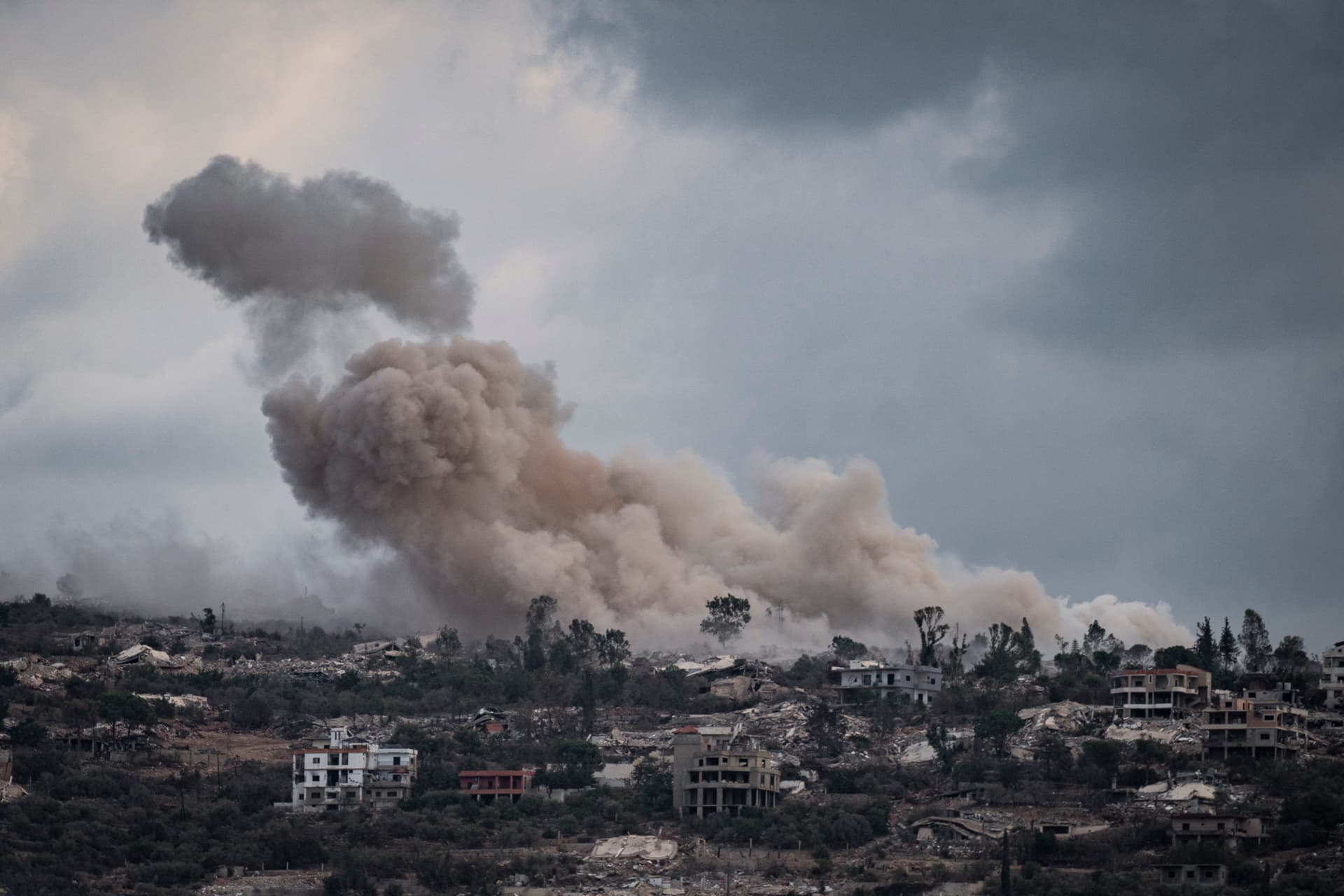

Israelis Express Relief, Cautious Optimism Following Cease-Fire Deal

‘We’ve been stuck on October 7th. We haven’t been able to move from this grieving phase because there was no certainty, and now finally, there’s a light at the end.’
Amir Levy/Getty Images
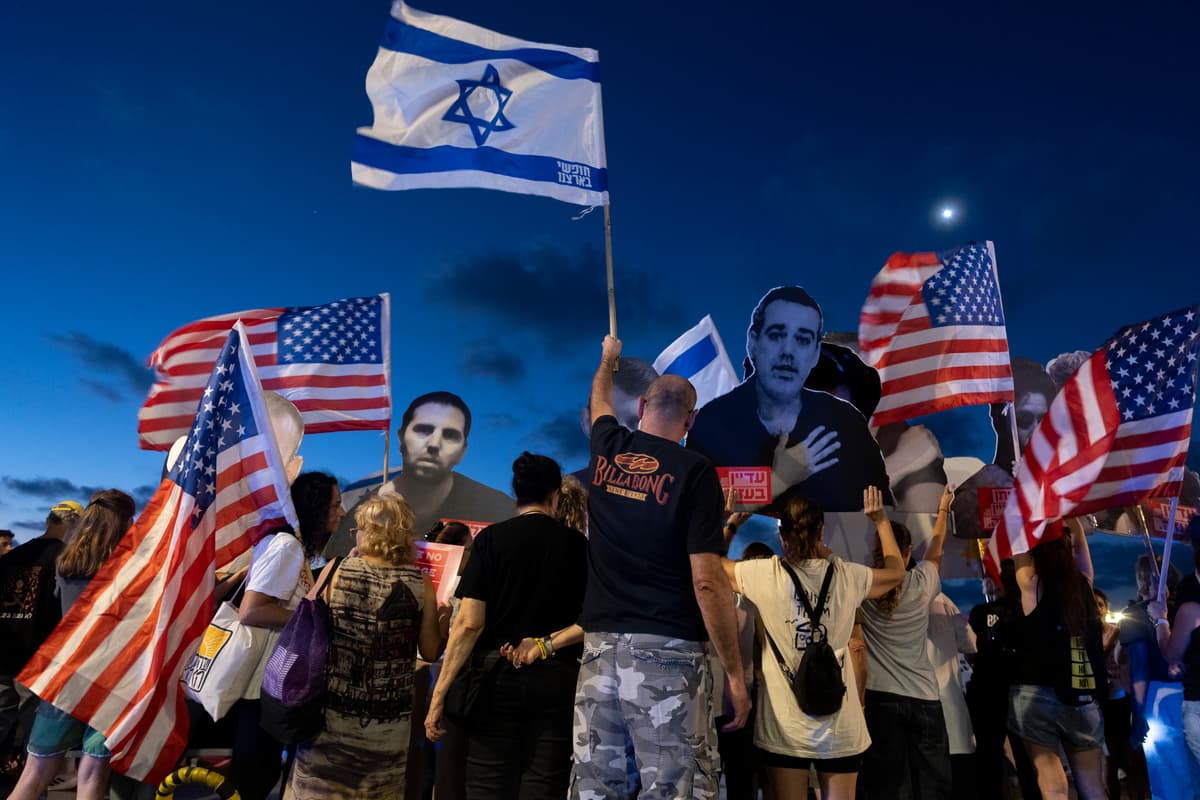
Protesters hold flags and photos of hostages held in the Gaza Strip by Hamas ahead of a rally at Tel Aviv on September 29, 2025. Amir Levy/Getty Images

A collective sigh of relief could be felt across Israel on Thursday morning following the announcement that a cease-fire deal had been reached with Hamas and that the 48 hostages held by Gaza’s ruling regime would be freed, including 20 living hostages. 

The American plan outlines that in exchange for the 48 hostages, Israel will release 250 Palestinian prisoners and 1,700 Gazans detained since October 7, 2023, in addition to the IDF pulling back from Gaza.

“At the end of the day, for two years, we’ve been stuck,” said Udi Goren, the cousin of Tal Haimi, who was murdered by Hamas terrorists on October 7 and whose body will be returned under the deal.

“We haven’t been able to move forward. We’ve been stuck on October 7th. We haven’t been able to move from this grieving phase because there was no certainty, and now finally, there’s a light at the end,” he said in a statement released via the Hostages and Missing Families Forum today. 

The 41-year-old Tal Haimi was a third-generation member of Kibbutz Nir Yitzhak and a husband and father to four young children including his youngest son, Lotan, who was born after his abduction.  

The civil engineer was also the deputy commander of the kibbutz emergency response squad. On October 7, Haimi left his pregnant wife, Ella, and their three children in the safe room of their home and went out to protect his community from Hamas terrorists infiltrating his kibbutz. Eight members of Kibbutz Nir Yitzhak lost their lives that day, including six members of the security squad.

His body has been held by Hamas terrorists in Gaza for the past two years and the Haimi family has been fighting to recover Tal’s body for proper burial. 

“We want to see Tal back in the kibbutz where he was born and raised and where he died defending it. Once he’s there, finally we can put this period behind us or beside us and start moving forward,” said Goren.

Goren noted that he spoke with Tal’s wife, Ella, 42, who recently returned to Kibbutz Nir Yitzhak to continue to raise their four children, there including their 16-month-old baby. “I just spoke to Tal’s wife this morning, and everybody is in this state of cautious optimism,” he explained. 

Since August 2024, 80 percent of the members of Kibbutz Nir Yitzhak have returned. The kibbutz has drawn in seven new families. A report last month by the Tekuma Administration, an Israeli government agency, found that since the October 7 massacre more than 90 percent of residents from the Gaza border communities have returned home. 

Goren believes that when Tal’s body is finally returned, his children will be able to get some closure. “Most importantly, this is for Tal’s kids. The fact that they will get their dad back, even though he’ll be dead and he’ll be buried, but at least they will know for certain where he is,” he said. 

Yet Goren is still wary: “We’ve been very close in the past and we’ve been let down. There’s still a way to go. The hostages are not here yet. They need to be returned and I will be relieved only when I see all 48 back in Israel.”


The New York Sun

© 2025 The New York Sun Company, LLC. All rights reserved.

Use of this site constitutes acceptance of our Terms of Use and Privacy Policy. The material on this site is protected by copyright law and may not be reproduced, distributed, transmitted, cached or otherwise used.

The New York Sun

Sign in or  create a free account

or
By continuing you agree to our Privacy Policy and Terms of Use