Jack Smith’s Nightmare: Buried Provision in Budget Deal Lets Spied on Lawmakers Sue Him for Millions
A clause in the spending bill that could reopen the government could prove ruinous to the prosecutor.
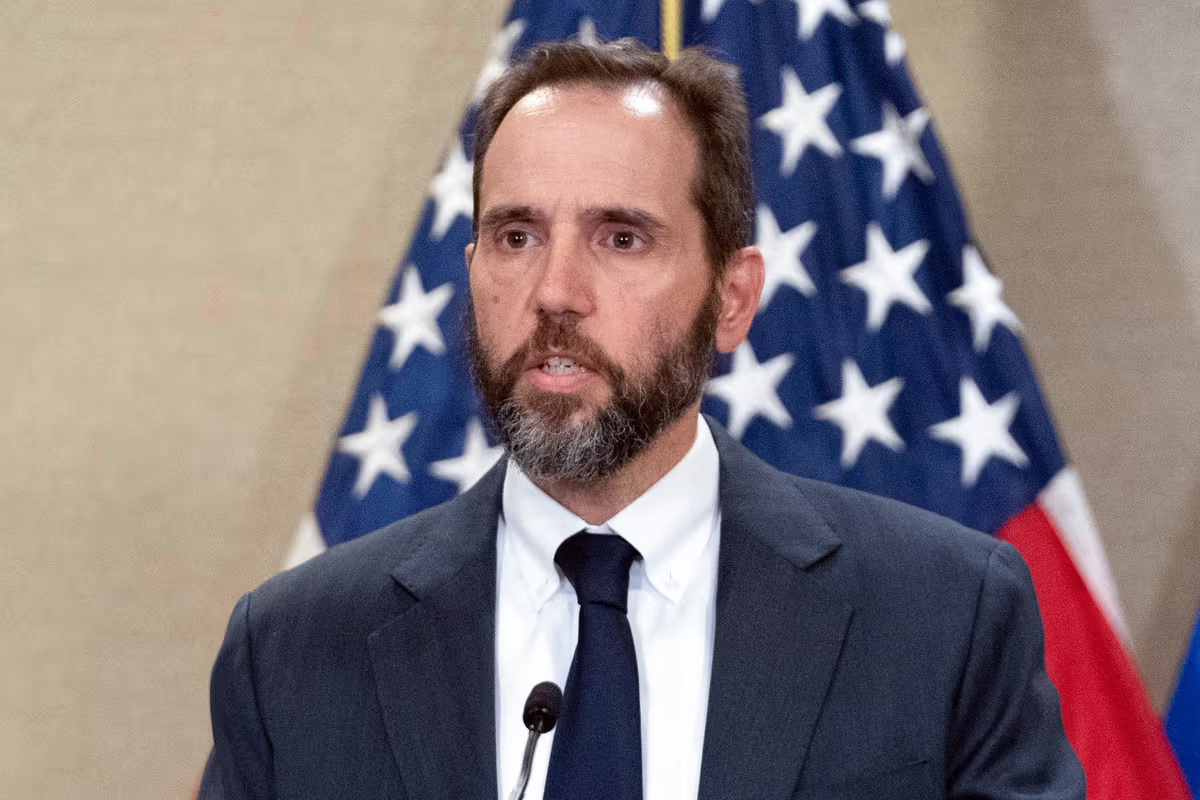

A surprising provision is buried in the deal to reopen the government after a grueling shutdown — one that could put Special Counsel Jack Smith on the hook for millions of dollars for his surveillance of the telephone data of powerful Republican lawmakers.
The last page of the 64-page Senate spending measure, which is expected to pass the House of Representatives this week, contains a private right of action that would allow senators whose records have been searched without their knowledge to bring civil lawsuits against the government and potentially individual federal employees like Mr. Smith. The provision is retroactive to January 1, 2022, which predates Mr. Smith’s appointment as special counsel.
The spending bill is backed by Republican senators as well as eight Democrats who broke with their party to end the shut down. Not yet known is whether the proposal contemplates holding Mr. Smith and other prosecutors personally liable or whether the government would foot whatever bills emerge. The provision could be vulnerable to legal challenge on account of its retroactivity — courts are generally skeptical of the constitutionality of such post facto statutes.
The bill contemplates a penalty of $500,000 for each time investigators access a senator’s data without their knowledge, provided that the solon is not himself the target of the investigation. While Mr. Smith is not explicitly mentioned, the provision appears to be an explicit response to his “Operation Arctic Frost,” the code name for the investigation into election interference in the 2020 presidential election. The name Arctic Frost — a cold-hardy satsuma orange— is a reference to the hair color of the prime target of the investigation, President Trump.
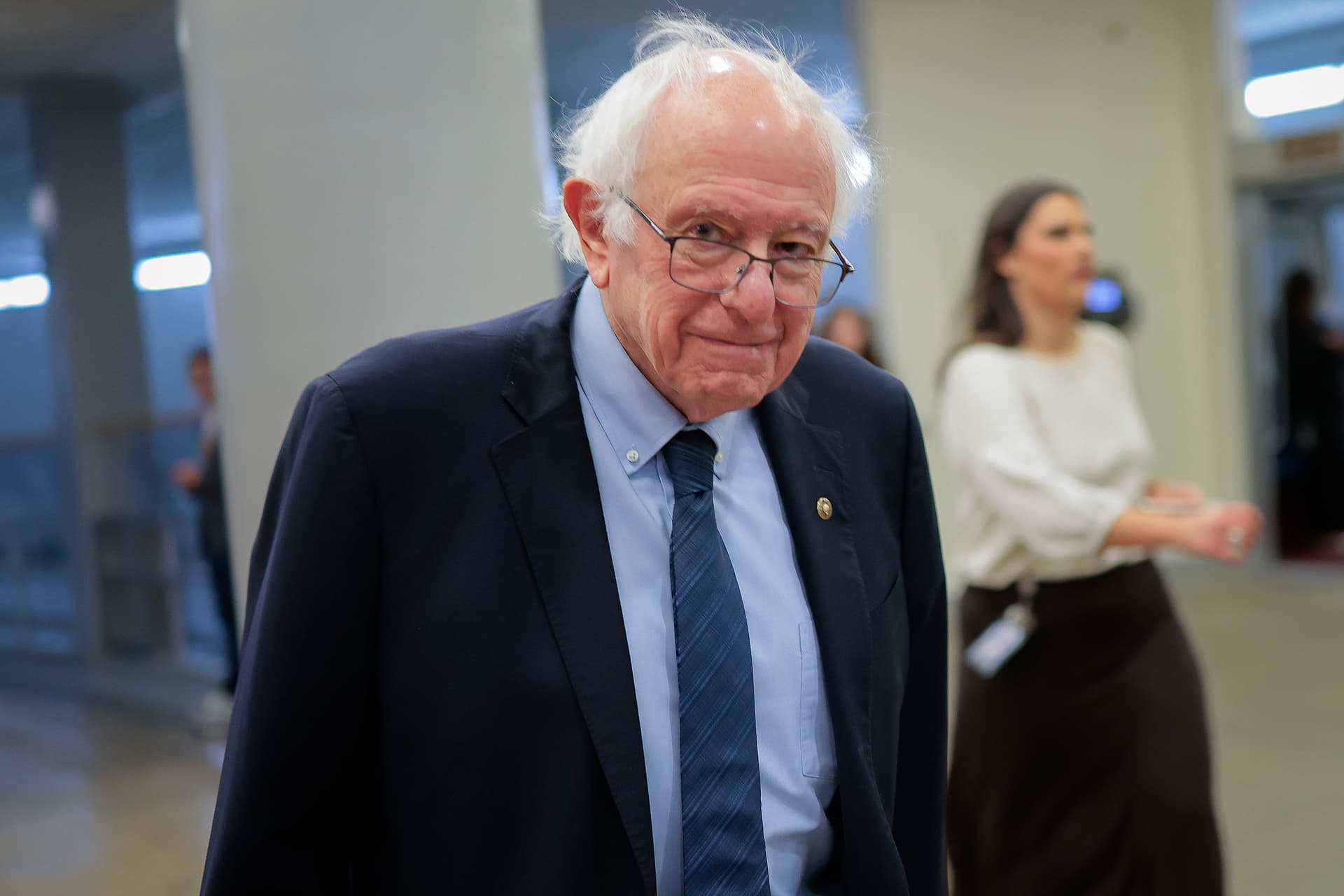
As part of that probe Mr. Smith’s team monitored the toll records— metadata showing call times, durations and numbers — data of eight Republican senators and one Republican congressman. The focus of the investigation was the stretch of time that included January 6, 2021. The existence of the program was disclosed last month by Senator Charles Grassley. Mr. Smith’s lawyers have defended the inquiry as entirely “lawful.”
A wave of firings, forced resignations, reassignments and demotions – starting as soon as Mr. Trump returned to power – has hit any federal employees associated with the probe. In early October, Senator Lindsey Graham, one of the surveilled senators, told Sean Hannity that he was going to “sue to crap” out of Jack Smith.
That was apparently no idle threat. The $500,000 penalty in the Senate bill attaches to “any acquisition, subpoena, search, accessing, or disclosure of Senate data” when paired with “any failure to disclose such an acquisition, subpoena, search, accessing, or disclosure.”
The provision aims to leave the likes of Mr. Smith no shield or safe harbor. It mandates that “no officer, employee, or agent of the United States or of any Federal department or agency shall be entitled to assert any form of absolute or qualified immunity as a defense to liability under this subsection.”
The spending measure, which is expected to be passed into law, mandates that “any Senator whose Senate data … has been acquired, subpoenaed, searched, accessed, or disclosed … may bring a civil action against the United States if the violation was committed by an officer, employee, or agent of the United States or of any Federal department or agency.”
If a senator prevails in showing that he was surreptitiously surveilled, he is entitled “for each instance of a violation of this section, the greater of statutory damages of $500,000 or the amount of actual damages.” The injured lawmaker is also entitled to “reasonable attorney’s fees and costs of litigation … and such injunctive or declaratory relief as may be appropriate.”
One important limitation to the proposed cause of action is its statute of limitations. Litigation “may not be commenced later than 5 years after the applicable Senator first obtains actual notice of the violation of this section.” That would allow for actions against Mr. Smith until 2027. The Republican-controlled House Judiciary Committee reckons that some 160 Republicans could have been swept up in Mr. Smith’s probe.
Many of the subpoenas and gag orders were approved by Judge James Boasberg, an appointee of President Obama who has locked horns so aggressively with Mr. Trump over immigration issues — in one case, demanding in vain that an El Salvador-bound government jet filled with illegal migrants be turned around – that the 47th president has called for his resignation.
That drew a rebuke from no less than Chief Justice John Roberts. An ally of the president who was caught up in the investigation, Senator Ted Cruz, declares in respect of the subpoenas that Judge Boasberg “printed these things out like the placemats at Denny’s — one after the other.”
Mr. Cruz ventures that “Arctic Frost” was “worse than Watergate.” The only person who ended up facing criminal charges from Mr. Smith was Mr. Trump, who was indicted on four counts by a grand jury at the District of Columbia. That case appeared to be on the fast track to trial before the Supreme Court ruled in Trump v. United States that official presidential acts are presumptively immune from prosecution. The case ended when Mr. Trump retook the White House.
Mr. Smith, after a period of silence, has emerged as a defiant critic of the president. He describes as “ludicrous” the idea that his prosecutions were political and declares that “what I see happening at the Department of Justice today saddens me and angers me … the government, using the vast powers of the criminal justice system to target citizens for exercising their constitutional rights.”
Mr. Smith has announced his intention to testify about his work before Congress — but only in a public hearing and only if he is granted immunity for his testimony.