Jack Smith’s Strategy Could Provide Him With a Firewall Against Trump’s Legal Campaign
The special counsel never mentioned the 2024 election, even as it loomed over his two cases — and eventually ended them.
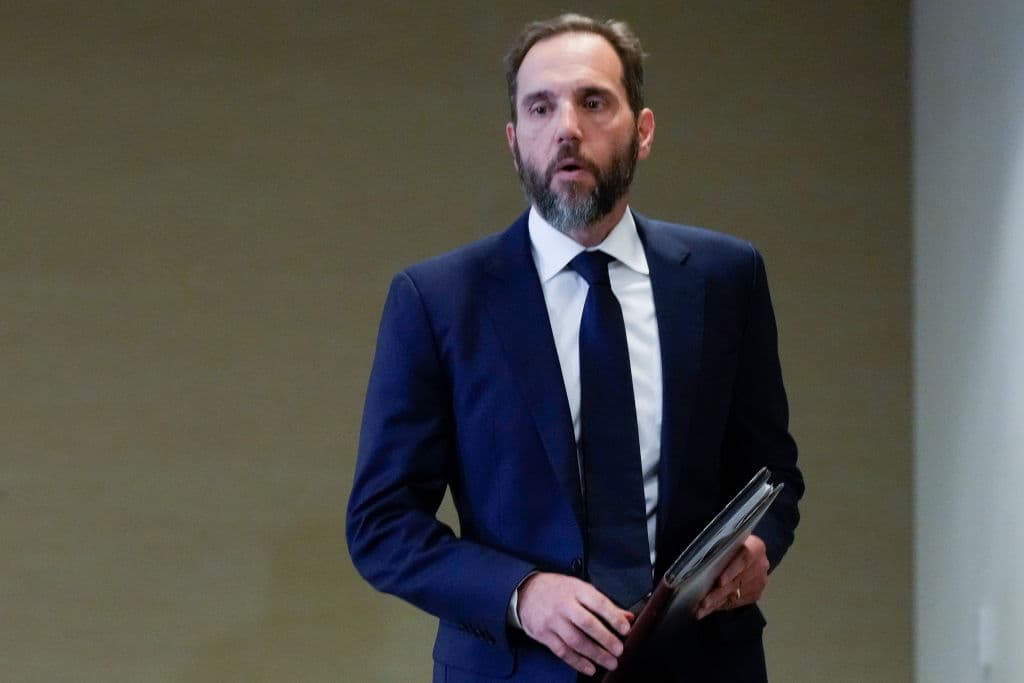

The Hatch Act investigation launched against Special Counsel Jack Smith accusing him of interference in the 2024 presidential election could find itself thwarted by Mr. Smith’s strategic foresight.
The probe into Mr. Smith is being handled by the United States Special Counsel’s Office, not to be confused with the role the prosecutor once held. The investigation comes after Senator Tom Cotton accused Mr. Smith of “racing against the clock” to convict Mr. Trump before November’s vote and accused the prosecutor of “unprecedented interference in the 2024 election.”
Mr. Cotton reckons that Mr. Smith’s “legal actions were nothing more than a tool for the Biden and Harris campaigns.” If true, that would amount to a violation of the Hatch Act, which is now nine decades old and which proscribes federal employees from engaging in political campaigning to sway elections. Civil penalties can include a fine of up to $1,000 and a firing from federal employment. Mr. Smith, though, resigned from government in January.
Mr. Smith, who was appointed as special counsel by Attorney General Merrick Garland three days before Mr. Trump announced his intention to retake the White House, was careful never to mention the elephant in the room for both of his prosecutions: the presidential election of November 2024. That is not to say that the special counsel was oblivious. His push to try Mr. Trump before the vote suggests otherwise — even if he never admitted it.
The special counsel certainly knew the longstanding policy of the Department of Justice’s Office of Legal Counsel that sitting presidents are immune from criminal — but not civil — prosecution. That position was reinforced in the weeks before Mr. Trump’s inauguration, when the OLC doubled down on its position that there is a “categorical” ban on such prosecutions. That effectively ended Mr. Smith’s cases.
Prior to the election, though, Mr. Smith engaged in a rush to get Mr. Trump to trial. This was an odd development. It is to the accused that the Constitution guarantees the right to a “speedy trial.” Mr. Smith, though, was not the lawyer for the accused. He was the accuser. He was, moreover, coy about what might be the government’s interest in a speedy trial.
He merely repeatedly told courts that there was a “compelling” public interest in prompt consideration of his two cases — for election interference and the storage of classified documents at Mar-a-Lago — and chafed when the judge overseeing the documents case, Aileen Cannon, threw up speed bumps to trial. She eventually ruled that he had been unlawfully appointed.
Mr. Smith, though, was successful in persuading other courts to share his need for speed — up to a point. The Supreme Court initially declined to weigh in on presidential immunity on an accelerated basis, but a district court judge, Tanya Chutkan, and the District of Columbia Circuit of the United States Court of Appeals both acquiesced to expediting their decisions that presidents are not entitled to any immunity.
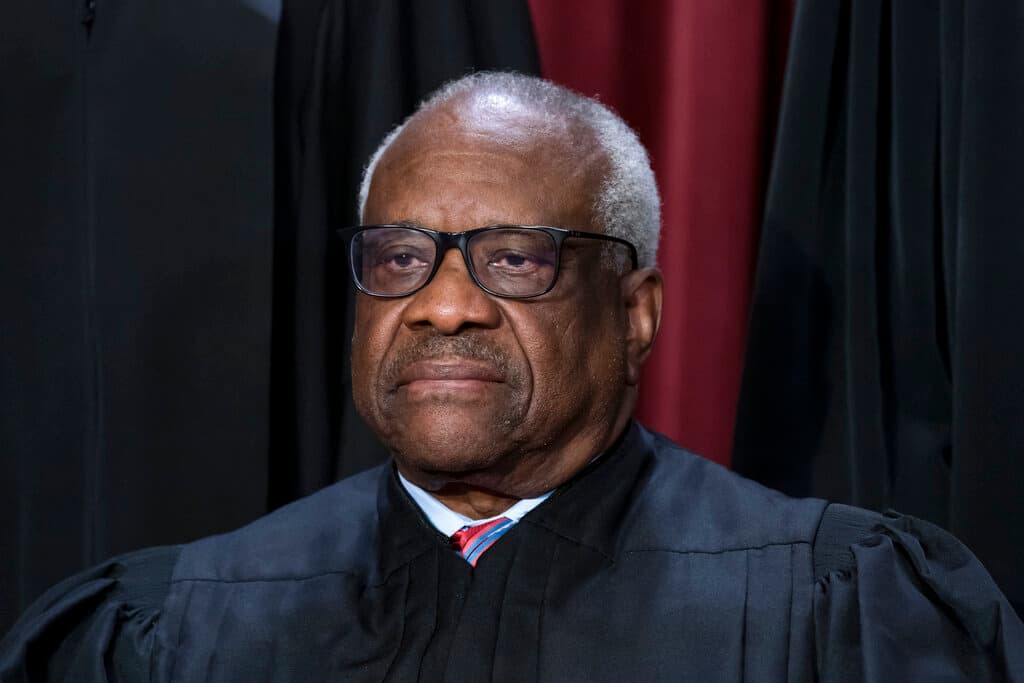
The Nine, though, in Trump v. United States, ruled that official presidential acts are presumptively immune from criminal prosecution, while unofficial ones are bereft of that protection. The justices sent the case back down to Judge Chutkan, and Mr. Smith sought and secured a superseding indictment shaped, he averred, by the ruling of Trump. That filing, though, was released less than 60 days before the presidential election.
Mr. Cotton asserts that the release of records relating to that second indictment violated the DOJ’s own “60 Day Rule,” which mandates that prosecutors abstain from taking steps that could influence an upcoming election. The decision to disclose those files, though, was Judge Chutkan’s, not the government’s. That could mean that the 60 Day Rule did not govern.
Before Trump was decided, though, Mr. Smith wrote to the justices that the nation “has a compelling interest in seeing the charges brought to trial.” Fair enough. He also writes that the nation “has a compelling interest in the prompt resolution of this case.” Yet a legal scholar, Alan Dershowitz, told the Sun that a looming election has “no legal salience” and is “not a legal basis” for granting expedited consideration from the bench.
Mr. Smith was in such a rush to resolve the immunity question before the election that he asked the Supreme Court to weigh in even before the riders of the D.C. Circuit handed him a victory. Not once, though, did the special counsel mention the election outright; he only suggested that an “appropriate timetable” be crafted. That reticence could now be his best defense against a Hatch Act case — or even more serious criminal charges.