Judge Dismisses Eli Lilly Lawsuit Against ‘Godsend’ Makers of Compounded GLP-1 Weight Loss Drugs

Lilly’s legal offensive against compounders of its popular weight loss drugs hits another snag in court.

Getty Images
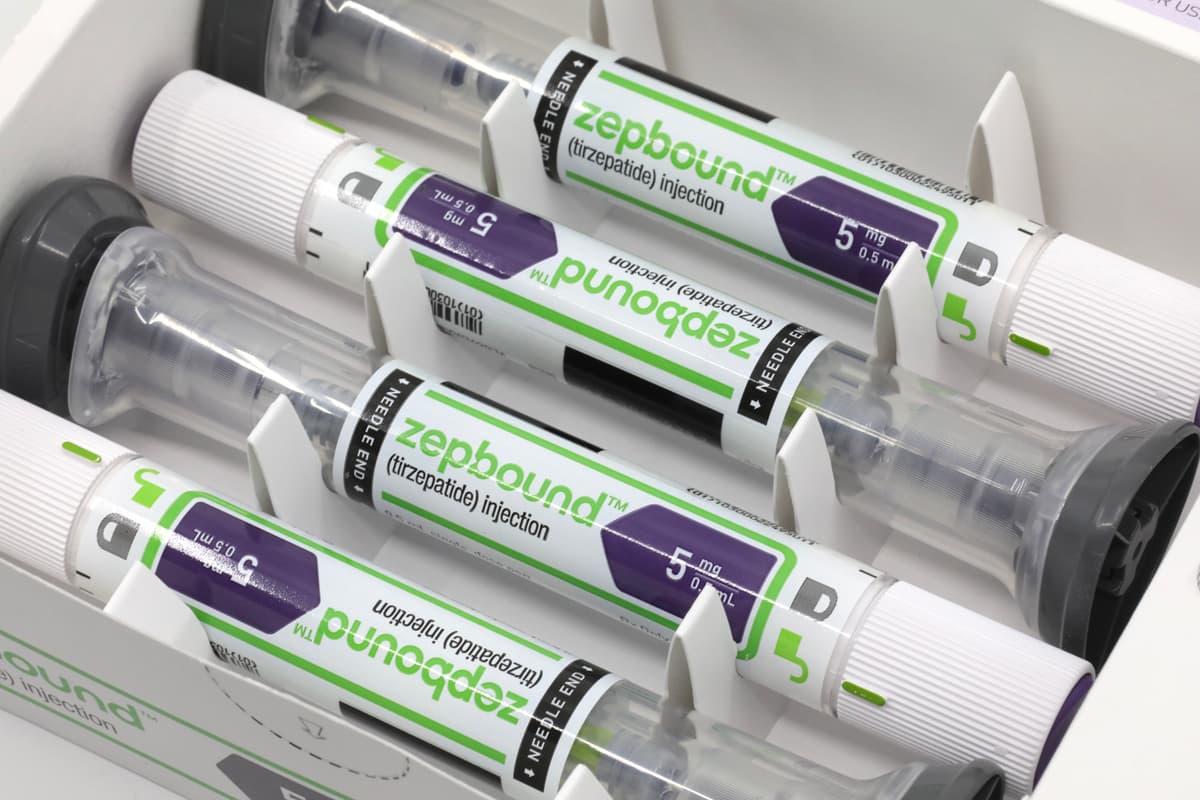
Tirzepatide is an antidiabetic medication used for the treatment of type 2 diabetes and for weight loss. Getty Images

A Delaware federal judge dismissed a lawsuit brought by Eli Lilly, the maker of the blockbuster weight loss drugs Mounjaro and Zepbound, against a telehealth company it accused of “deceptive” marketing of its copycat versions of the drug.

The lawsuit, filed in U.S. District Court for Delaware, accused Strive Pharmacy, an Arizona-based compounding firm, of “false marketing claims and deceptive business practices” in connection with its “personalized” version of tirzepatide, the generic name for the GLP-1 drugs marketed by Eli Lilly as Mounjaro and Zepbound.

Strive sells a “personalized” formula of tirzepatide that includes vitamin B12, which it says reduces nausea, and glycine, which it claims helps maintain muscle mass. The inclusion of B12 also changes the chemical composition of the drug just enough so that Strive can avoid patent violations.

A judge on the U.S. Court of Appeals for the Third Circuit, Stephanos Bibas, sitting by designation, dismissed Eli Lilly’s suit “for lack of personal jurisdiction,” noting the pharmaceutical company failed to connect Strive’s online ads to the state of Delaware.

Illustration of tirzepatide (red) bound to a glucagon-like peptide-1 (GLP-1) transmembrane receptor (blue and purple) in a cell membrane (horizontal). Getty Images

“Even in our digital age, personal jurisdiction has ‘real limits,’” Judge Bibas wrote. 

In April, Eli Lilly filed several lawsuits against compounding agencies — which produce off-label, cheaper versions of brand name drugs — months after the FDA removed the GLP-1 drugs tirzepatide and semaglutide from its drug shortage list. 

Compounding pharmacies — which had been allowed to make GLP-1s due to the shortage — had until May 22 to halt production of compounded GLP-1s after two lawsuits filed by the Outsourcing Facilities Association disputing the FDA’s decision were unsuccessful.  Compounding pharmacies and telehealth companies have since marketed customized versions of tirzepatide and semaglutide with additives that let them skirt patent rules. 

Eli Lilly filed multiple lawsuits against several compounding pharmacies and telehealth firms, accusing them of misleading consumers by selling mass-produced versions of tirzepatide under the pretense of customization.

Compounded versions of GLP-1s are also considerably more affordable — patients typically pay between $129 and $497 out of pocket per month — than brand-name versions, which can cost more than $1,000 monthly.

Close up of a woman’s hands holding a weight loss injection pen. Getty Images

Insurance companies typically won’t cover the brand-name drugs unless a patient has a body mass index of 30 — the official threshold for obese — or higher. Some insurance companies require an even higher BMI threshold. 

In his decision, Judge Bibas said that compounded drugs are a “godsend” for patients with allergies or unique needs. 

“They can also provide a workaround to shortages of popular drugs—if the brand-name medication is expensive or in short supply, compounding pharmacies can often still sell the same molecule (here, tirzepatide) in combination with other ingredients,” Judge Bibas wrote.

In a statement to a “patient-centric obesity medicine” newsletter, On the Pen, Strive Pharmacy’s chief marketing officer, Zachary Shurtleff, said it would continue “fighting for the right of patients to keep their access to compounded drugs.”

An assortment of weight loss and diabetic drugs on the table. Getty Images

By dismissing the suit without prejudice, Judge Bibas allows Lilly to either “allege more jurisdictional facts or sue Strive in Arizona.”

Last month, a U.S. District Court judge dismissed Eli Lilly’s lawsuit against Willow Health, another telehealth company that was accused of deceiving customers by marketing unsafe compounded versions of tirzepatide, among other allegations. That suit was likewise dismissed without prejudice.

“You begin to get the sense that when it comes to GLP-1 compounding, courts believe compounding pharmacies are serving their patients well and are doing so within the proper legal/regulatory framework,” a nonprofit that represents compounding pharmacies, the Alliance for Pharmacy Compounding, said in a statement.  

Eli Lilly did not respond to requests for comment.


The New York Sun

© 2025 The New York Sun Company, LLC. All rights reserved.

Use of this site constitutes acceptance of our Terms of Use and Privacy Policy. The material on this site is protected by copyright law and may not be reproduced, distributed, transmitted, cached or otherwise used.

The New York Sun

Sign in or  create a free account

or
By continuing you agree to our Privacy Policy and Terms of Use