
Judge Tosses Navy Veteran’s Defamation Case Against the Associated Press, Other Outlets, After His Victory Over CNN
The judge says the lawsuit is like a movie reboot that ‘should not have been made.’
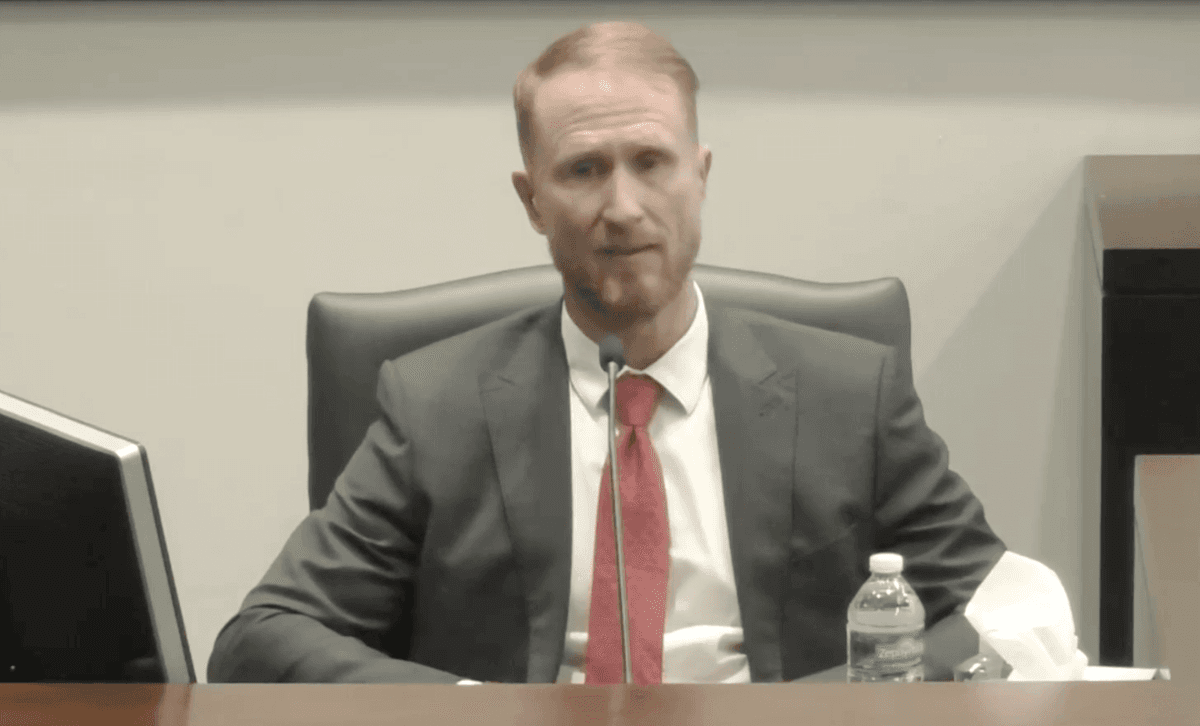
A Navy veteran, Zachary Young, appears to have received all monetary damages he will be paid from news outlets that he says defamed him regarding his efforts to evacuate individuals hunted by the Taliban from Afghanistan.
On Friday, a Florida judge, William Henry, dismissed Mr. Young’s defamation lawsuit against the Associated Press with prejudice, meaning it cannot be filed again. He also dismissed Mr. Young’s lawsuit against Puck, a niche news startup, with prejudice.
After those rulings, Mr. Young’s lawyers voluntarily agreed to dismiss their lawsuit against U.S. News & World Report.
The lawsuits stemmed from a 2021 CNN report that accused Mr. Young of operating on the black market and charging “exorbitant fees” while evacuating Afghans from Afghanistan after America’s chaotic withdrawal. Mr. Young says the allegations are false and that he was working for corporate clients to evacuate their personnel from a conflict zone.

In January – after an embarrassing trial for CNN that revealed a many-layered and dysfunctional editorial operation – a a Florida-based jury found CNN defamed Mr. Young and awarded him $4 million for lost earnings and $1 million for personal damages. Before the jury could decide on punitive damages – which could have been far larger – the parties reached an undisclosed settlement. The reporter behind that story, Alex Marquardt, the “chief national security correspondent,” was quietly fired a few months later.
Mr. Young wasn’t finished. He sued the AP in April over its coverage of the trial and subsequent verdict for stating that he “helped smuggle people out of Afghanistan.” The plaintiff’s attorneys argued that by “accusing Mr. Young of human smuggling, AP effectively branded him a criminal.” The AP said its report was a “factual and accurate report on the jury verdict finding in Zachary Young’s favor.”
Judge Henry – who presided over the CNN trial – in a not-so-friendly decision, likened the case to a reboot of a movie that “should not have been made” and said that Mr. Young’s claim that the AP defamed him is “forced” and “appears to be an attempt to repackage the CNN lawsuit to cash in again.”
He wrote that the phrase “smuggle” was simply an easier way to describe Mr. Young’s evacuation operation than describing in detail the precise manner in which the evacuations were carried out.

Judge Henry also said that the AP’s headline “frames Young and his claim against CNN in a positive light – ‘Florida jury says CNN defamed Navy veteran in story about endangered Afghans.’”
“It then explained that Young got a favorable outcome against ‘CNN for destroying his business through a 2021 story on Jake Tapper’s broadcast about a ‘black market’ of extracting desperate Afghans following the Taliban takeover.’ Construing this last sentence, it would be obvious to an average reader that CNN was found to be wrong for using the term ‘black market,’ essentially accusing him of criminal or illegal behavior,” the judge said.
Judge Henry wrote, “Unlike the CNN Case, this case has a forced plot without any character development. Under applicable law, there is no villain. Rather, this is an attempt to repackage the CNN storyline against a different opponent. After screening this production, the Court determines that this sequel should not be released because, under the facts, this third installment does not work.”
He awarded the AP “fees and costs” related to its defense under Florida’s Anti-SLAPP statute.

Mr. Young also filed a lawsuit against U.S. News & World Report for republishing the offending AP article.
Judge Henry also granted Puck’s motion to dismiss Mr. Young’s lawsuit.
“Plaintiffs pick out certain words, phrases, or sentences to claim that Young was either defamed per se or by implication, including ‘panicked locals,’ ‘charging hefty fees,’ or charging ‘tens of thousands of dollars – to escape the Taliban,’”
Judge Henry said the plaintiffs did not “point to any specific defamatory comment or phraseology” in two articles published by Puck.

CNN’s defense was hindered by text messages showing its reporters disregarding Mr. Young’s repeated warnings that they were about to run a false story. The plaintiff’s lawyers presented texts between their client and Mr. Marquardt in which Mr. Young explained to the CNN star how he partnered with companies, such as Amazon’s Audible, that would pay the fees to evacuate specific individuals, such as individuals hunted by the Taliban. In texts with the CNN reporter, Mr. Young explained that Afghans were “expected to have a sponsor pay for them.” Mr. Young also told another reporter who worked on the story how his operation worked. Yet, the network went to air with its original angle.
Texts disclosed during the discovery process showed Mr. Marquardt declaring, “We gonna nail this Zachary young mf—.”
Representatives for Mr. Young did not respond to the Sun’s request for comment by the time of publication.