
Keeping the Epstein-Maxwell Grand Jury Records Secret
A United States district judge at New York is the latest to conclude that ‘there is no “there” there.’
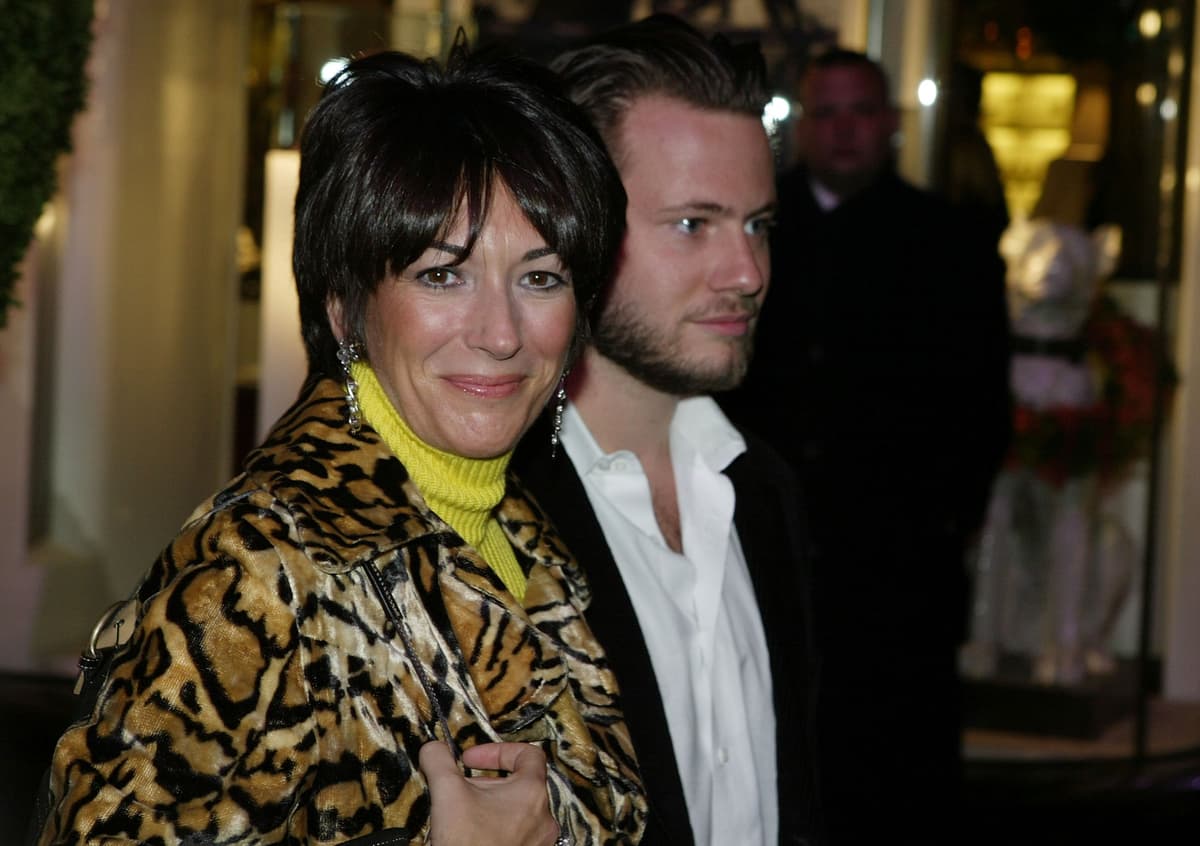
It’s good to see a federal judge offering such a clear-eyed appraisal of grand jury secrecy as a constitutional right as came down from the bench today in the Ghislaine Maxwell case. The Trump administration is seeking to release the records of the grand jury that indicted Maxwell, the convicted procuress of Jeffrey Epstein. Yet of President Trump’s request, quoth Judge Paul Engelmayer: “There is no ‘there’ there.”
Judge Engelmayer’s ruling follows a similar decision in July by a federal district judge in Florida, Robin Rosenberg, who denied the parallel request to release grand jury records in Epstein’s case. The Trump Department of Justice points to public interest as a reason to release the records. Yet that rationale, these columns have pointed out, is a matter of “political expediency” that “raises a constitutional red flag by breaching the secrecy of grand jury deliberations.”
This point is marked by Judge Engelmayer in his opinion, which opens by explaining that Maxwell was convicted “of five felonies involving the sexual abuse of young girls” between 1994 and 2004. That serves to underscore the sordid nature of the case, which has attracted no shortage of prurient interest. Credit is due the judge, it would seem, for keeping the focus on the fundamental constitutional issues at stake.
Those issues are at the heart of Judge Engelmayer’s opinion. Citing a Supreme Court precedent from 1959, he writes that the tradition that “proceedings before a grand jury shall generally remain secret” is “older than our Nation itself.” The policy, he explains, helps to ensure “the success of grand juries and to the protection of those who appear before them.” Hence, the judge concludes, the strict limits on disclosure of grand jury records.
This is not to say, Judge Engelmayer adds, that grand jury records can never be released. Yet such disclosure, he avers, is only apt in “exceptional circumstances,” and there is no basis to approve “garden variety” requests for release. Viewed through that lens, the judge finds no legal exception that “authorizes the disclosure the Government proposes here,” despite what the DOJ calls the “abundant public interest” in “Epstein and Maxwell’s crimes.”
Even putting aside the constitutional questions at stake, Judge Engelmayer says, the records themselves do not “contain significant, undisclosed information about Epstein’s and Maxwell’s crimes, or the investigation into them.” Releasing the records, therefore, he adds, would not offer “new information of any consequence.” Anyone “deeply interested” in the “Epstein matter,” he says, “would come away feeling disappointed and misled.”
The final reason to keep the records private, Judge Engelmayer writes, is “systemic.” He means that the “proper functioning of our grand jury system depends upon the secrecy of grand jury proceedings.” The unwarranted disclosure of the Epstein and Maxwell records would undermine “the foundations of secrecy upon which the grand jury is premised,” he explains. That echoes a point that has been marked in the Sun’s pages.
In 2014 a grand jury in New York declined to indict a police officer, Daniel Pantaleo, implicated in the death of a suspect, Eric Garner. There were calls to release the grand jury testimony, and even to make such disclosure standard practice in cases involving accusations of police misconduct. Yet “all kinds of reasons exist for grand juries to conduct their deliberations in secret,” the Sun reported.
The tradition dates back to centuries of English law, the Sun noted, and “is required by New York state law.” Secrecy helps avoid “tampering” with the investigation by the grand jury, the state’s chief judge said, and helps stave off gossip. It also helps “encourage reluctant witnesses to cooperate,” the judge added, by ensuring that their testimony would not come to light. Secrecy, too, can protect innocent defendants from unjust prosecutions.
One could imagine Mr. Trump taking cognizance of that concern, especially in light of the doubts that arose over the indictments that Manhattan’s district attorney, Alvin Bragg, contrived for a grand jury to hand up against the president. The convoluted nature of those charges recall the quip that prosecutors “can get a grand jury to indict a ham sandwich.” All the more reason to respect the right of defendants to keep grand jury records under the veil of secrecy.