Kennedy Center Sees Sharp Decline in Ticket Sales Since Trump Assumed Control of Board
Sales fall to less than half of 2024 levels during the same period last year.
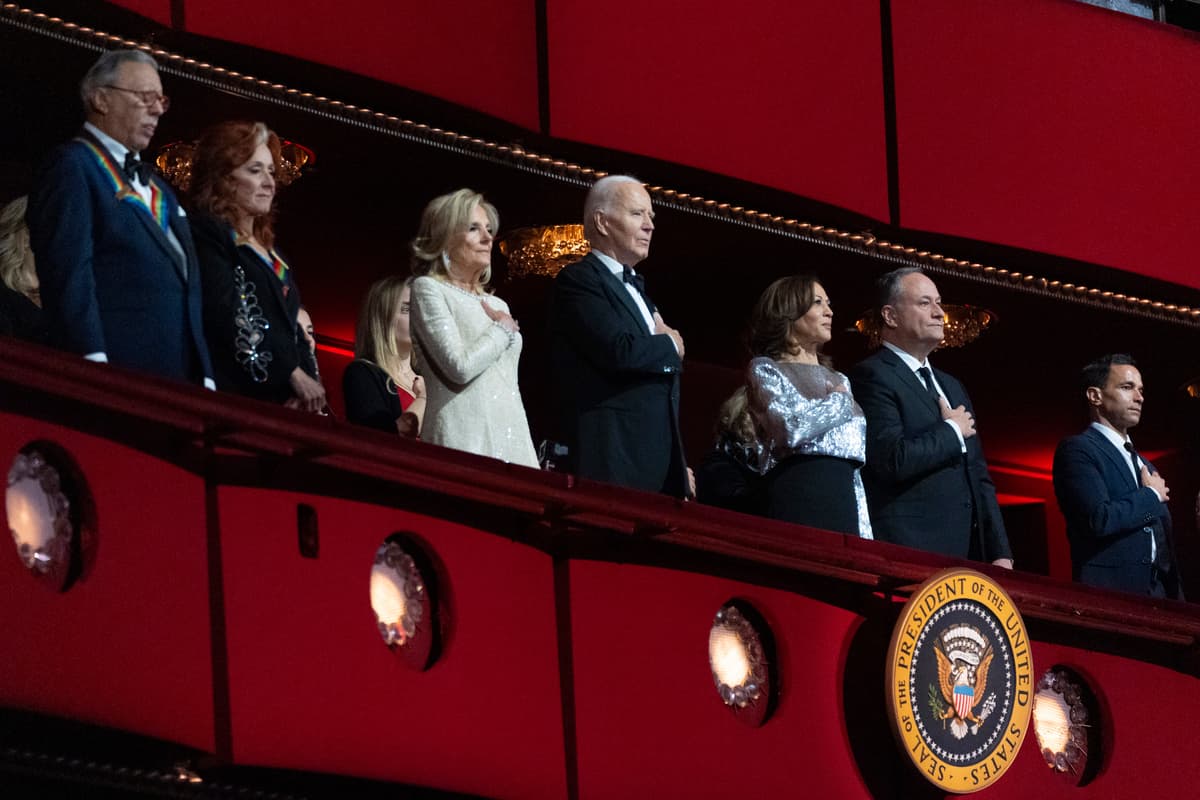
In the nine months since President Trump took control of the Kennedy Center for the Performing Arts, ticket sales have plummeted to the lowest levels seen in years.
As of early September, the average production had sold at most 57 percent of its tickets, with 43 percent remaining unsold. The actual paid sales figure may be even lower, since some tickets were likely complimentary passes distributed to staff or media, according to a data analysis by the Washington Post. The slump represents a sharp decline from previous years, when fall 2024 saw 93 percent of tickets sold or comped, and fall 2023 reached 80 percent.
Consumer Edge, a consumer data and analytics firm which was commissioned by the newspaper, analyzed spending from 40 million credit and debit cards and found that ticket purchases in September and the first half of October 2025 were less than half of what they were during the same period in 2024. Spending at the center hit its lowest point since 2018, with the sole exception of 2020 when the venue was closed for much of the year due to COVID lockdowns.
“Depressed ticket sales not only cause a shortfall in revenue; they also bode unfavorably for future fundraising revenue,” former Kennedy Center president Michael Kaiser, who served from 2001 to 2014, wrote in an email to the Post after reviewing their findings.
“The vast majority of donors are ticket buyers who are anxious to enhance their relationships with the organization by making contributions in addition to paying for their tickets. We had 40,000 generous individual donors by the time I left the Center in 2014. Funding from these individuals formed the foundation for all we accomplished.”
The Kennedy Center’s current financial situation remains a mystery as officials have refused to provide specific financial information. Based on tax returns from recent years, ticket sales typically represent less than half of the center’s total revenue. Other income sources include corporate sponsorships, event rentals, and philanthropic donations, while the federal government covers building operations costs.
When Mr. Trump was installed as chairman of the Kennedy Center’s board, he quickly made longtime ally Ric Grenell as executive director, who vowed at the time to overhaul the spending habits of the center.
“We had spent way too much on programming that doesn’t bring in any revenue,” he said in March during an interview with the conservative Substack newsletter, Washington Reporter.
“No matter what the programming is, whether it’s far left or far right or niche, fringe, programming, if it doesn’t sell enough tickets, then we’d better have a whole bunch of money in the bank to justify the arts education outreach.”