
Magic Mushroom Compound Reverses Chronic Pain and Depression in Mice, Study Suggests
The key to recovery was psilocybin’s effect on the brain itself, not the site of the physical injury, researchers say.
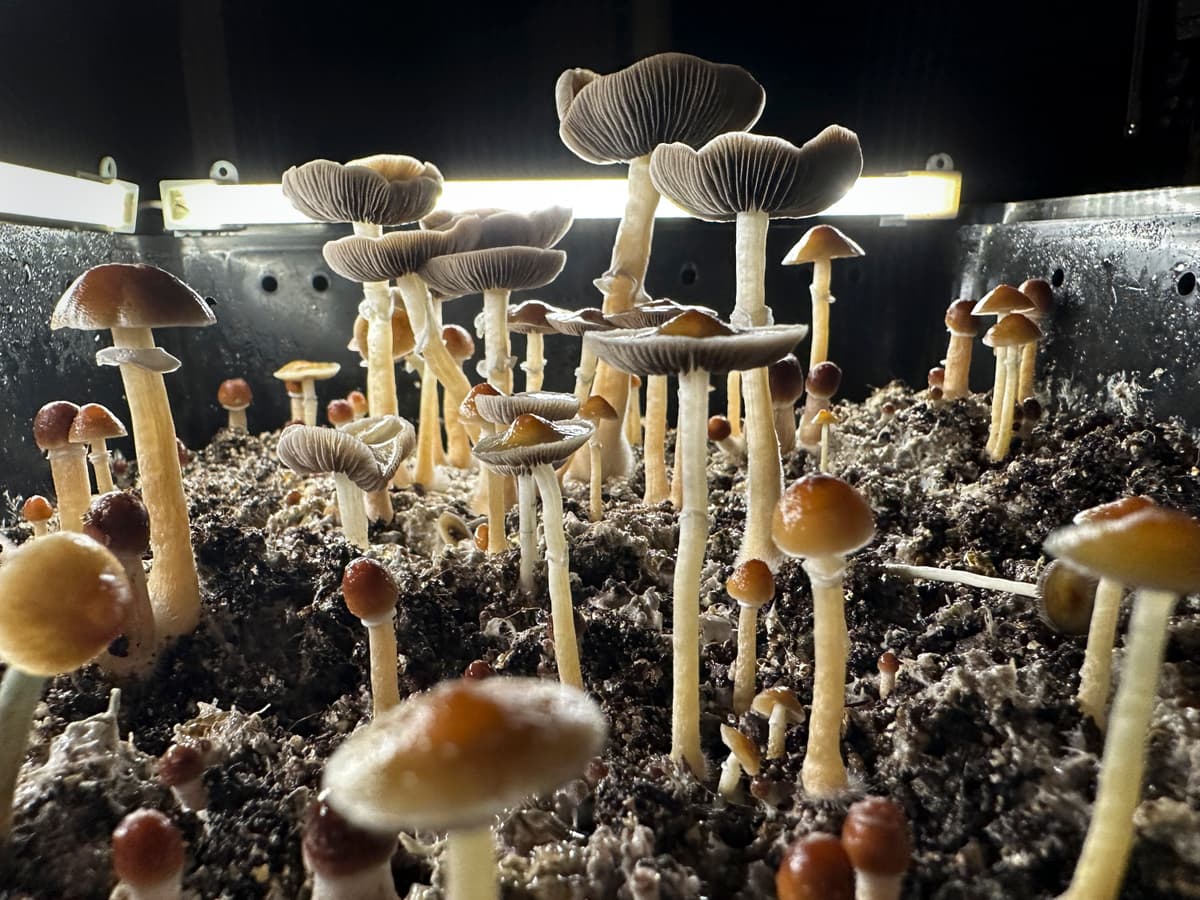

A single dose of psilocybin, the psychoactive compound in “magic mushrooms,” provided rapid and lasting relief from both chronic pain and depression-like symptoms in mice, according to a new study from researchers at the University of Pennsylvania.
The findings, published in Nature Neuroscience, suggest a promising new direction for treating two conditions that frequently occur together and are notoriously difficult to manage.
The research confirms a long-held clinical observation: chronic pain isn’t just a physical sensation; it fundamentally rewires the brain, leading to psychological distress that can, in turn, amplify the pain.
To study this, researchers induced lasting pain in mice through either nerve damage or severe paw inflammation. Over four weeks, both groups of mice became hypersensitive to touch and exhibited behaviors analogous to human anxiety and depression, such as avoiding open areas and giving up more easily in stress tests.
Brain imaging pinpointed the problem in the anterior cingulate cortex, a region involved in processing both mood and the emotional experience of pain. In the mice with chronic pain, nerve cells in this area were firing 40 percent more than normal, creating a state of persistent overactivity.
Just one day after receiving a single injection of psilocybin, the mice’s sensitivity to pain returned to normal levels. Their anxious and depressive behaviors also disappeared. This profound relief lasted for at least 12 days, at which point the observation period ended.
“A single dose of psilocybin relieves chronic neuropathic and inflammatory pain-like states,” the research team writes.
The key to the recovery was psilocybin’s effect on the brain itself, not the site of the physical injury. When researchers injected psilocin, the active form of psilocybin in the body, directly into the overactive anterior cingulate cortex, the improvements were dramatic.
In contrast, injecting it near the spinal cord injury site produced no change. Brain scans showed the overactive nerve cell activity dropped back to baseline within minutes of the targeted brain injection.
The study also showed why psilocybin was so effective. The compound works by interacting with two different serotonin receptors. The researchers discovered that psilocybin needs to partially activate both receptors simultaneously to work. Blocking either receptor negated all the benefits, while overstimulating them individually failed to produce the same therapeutic effect.
This suggests psilocybin doesn’t just block pain signals but recalibrates the specific brain circuits that chronic pain throws out of balance.
The link between pain and psychological distress was stark. Across the study, the severity of a mouse’s pain directly predicted the extent of its anxiety and depression. The reversal of these symptoms was so profound that the mice showed a clear preference for the location where they had received the psilocybin treatment, which researchers interpret as the mice associating the space with feeling better.
Importantly, the pain relief occurred even though the physical injury remained. Examinations 40 days later showed that nerve damage was still present. The relief came entirely from the changes psilocybin induced in the brain.
While these findings in mice are significant, the study’s authors caution that human chronic pain involves more complex psychological and social factors. “The specific dose, delivery method, and treatment schedule would need extensive testing for human use,” they noted.
However, for the 50 million Americans living with chronic pain — many of whom also struggle with depression and anxiety — this research offers a new neurobiological framework for how these conditions are intertwined.
Early, exploratory human trials with psilocybin for chronic pain are already under way. While it remains to be seen if the dramatic effects observed in mice will translate to people, the study provides a major leap in understanding how chronic pain transforms the brain and offers a potential new path for treatment.