
Major Airline To Begin Charging ‘Premium’ Prices for Economy Class Seats That Recline
Passengers who buy cheaper tickets will be in seats with a ‘fixed-recline design.’
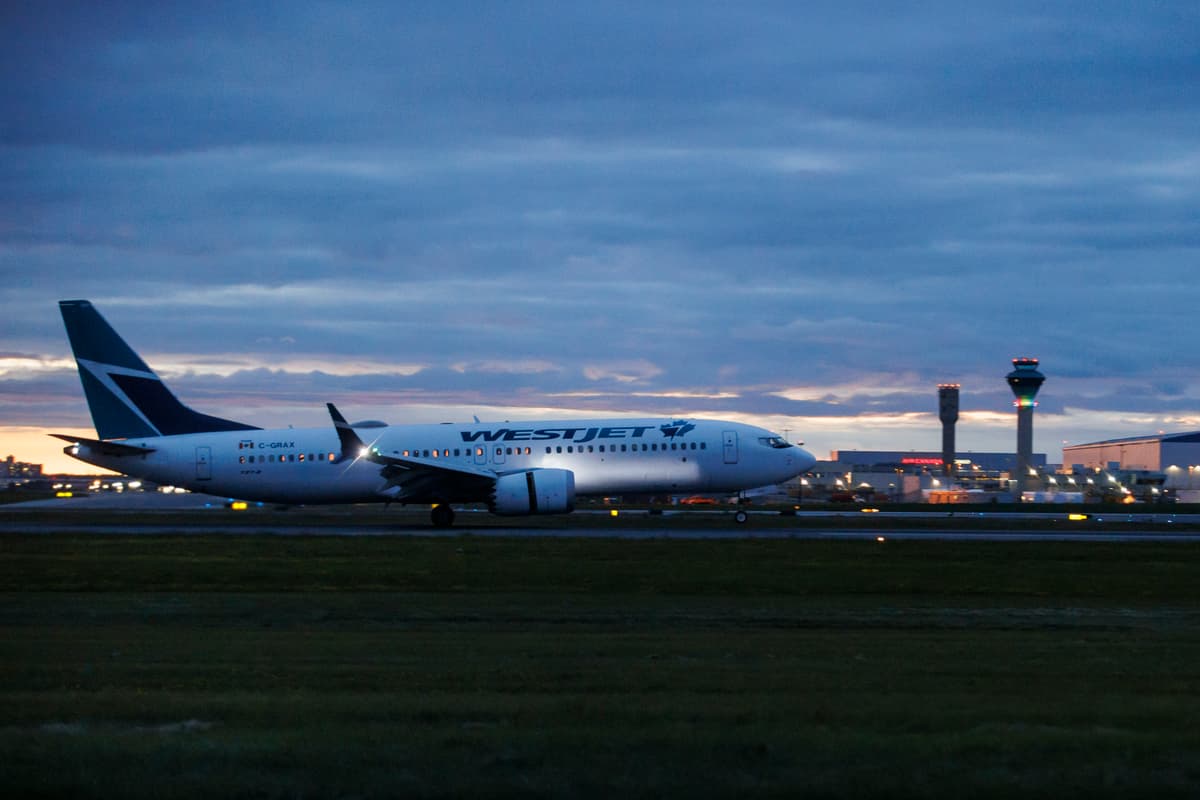
A major Canadian airline, WestJet, has announced plans to remove the ability to recline seats in the economy section of its Boeing 737 aircrafts as part of what the airline calls a “thoughtfully designed” cabin reconfiguration.
The carrier is introducing what it terms “fixed recline design” seats across its narrowbody fleet, meaning economy passengers will no longer be able to adjust their seat position. The change will affect the standard economy cabin, while passengers in a newly Extended Comfort and Premium sections will retain reclining capabilities.
The airline says the redesign will allow it to add an additional row of seats compared to its previous configuration, which it claims will help reduce ticket prices.
WestJet’s pilots have voiced strong opposition to the changes, with the pilots’ union protesting the new cabin design on social media. The group representing WestJet pilots criticized the airline’s decision to introduce narrower seat pitch alongside the non-reclining seats, noting that pilots also travel as passengers on the aircraft.
But the airline says a lot of planning went into the decision. “The cabin has been thoughtfully designed to offer WestJet’s welcoming service at every budget,” WestJet’s Executive Vice-President and Chief Experience Officer, Samantha Taylor, said in a press release. “It reflects our commitment to elevating every aspect of the travel experience and meeting guest demand for a broader range of product offerings.”
The reconfiguration introduces a new three-tier economy system with variable spacing between rows. According to WestJet’s website, back-of-cabin seats in rows 20-31 will offer the least space, middle cabin seats in rows 15-19 will provide slightly more room, and front economy seats will have the most space within the standard cabin.
Current seat pitch data shows WestJet’s economy class ranges from 29-30 inches, while competitors vary from Southwest’s generous 32-inch pitch to Frontier’s 28-inch spacing.
The airline is also expanding its Extended Comfort section to 36 seats with extra legroom, separated from economy by a cabin divider. These seats, along with premium seating, will retain reclining functionality but command higher prices.
WestJet claims the fixed-recline design “helps preserve personal space” and says the new seats feature “ergonomically designed, contoured bottom and back cushions” along with adjustable headrests, in-seat power, and personal device holders.
According to the airline, WestJet Rewards members and employees tested the new seats in January 2023, with a complete cabin prototype tested in summer 2025 before incorporating feedback into the final design.
The move places WestJet alongside other North American carriers including Air Canada, Allegiant Air, and Spirit Airlines that have adopted fixed-recline seats on some or all of their narrowbody aircraft. The decision comes amid ongoing industry debates about seat recline etiquette that have occasionally resulted in passenger confrontations.