A Mamdani Victory in Mayoral Bid Is, If Past Races Are a Guide, Far From Inevitable, Despite His Lead in Polls
A contest that seems out of reach in August can become a dead heat by October.
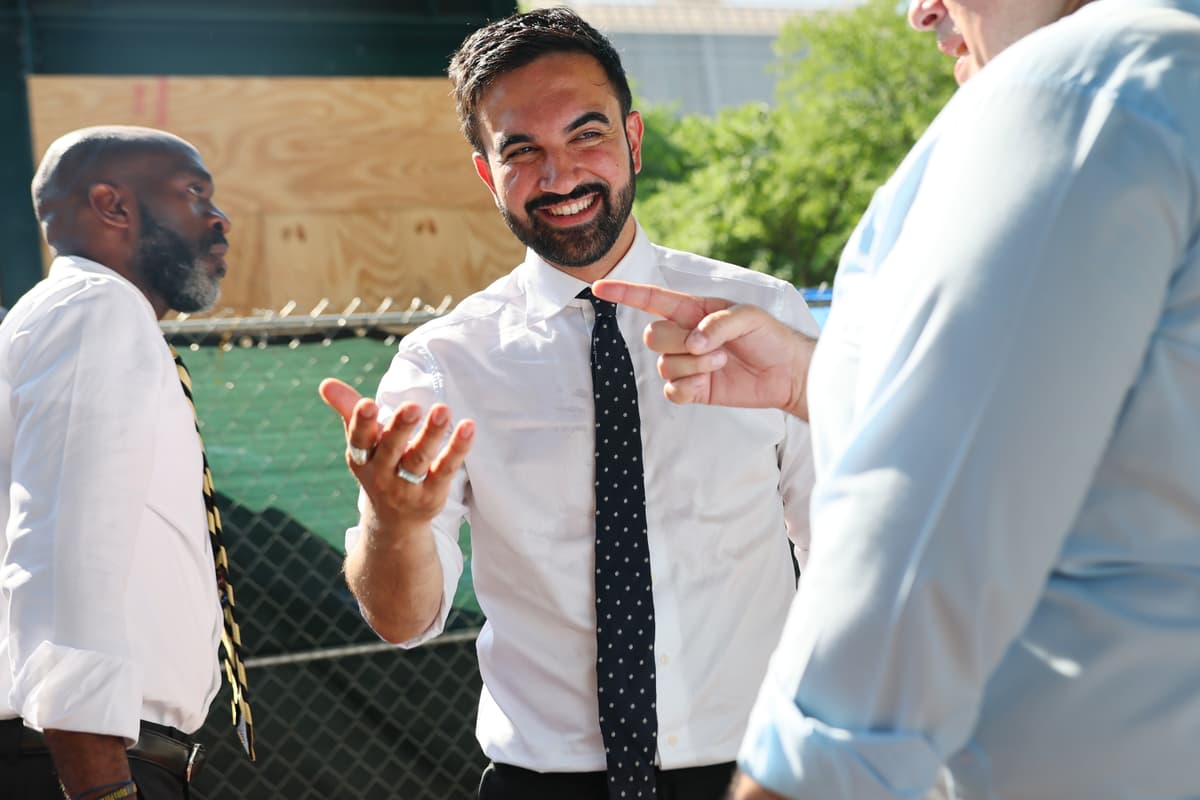
New Yorkâs mayoral election isnât until November, yet many residents are resigning themselves to what feels like an inevitable outcome: Assemblyman Zohran Mamdani winning in a landslide.
A new Zenith poll shows him commanding 50 percent support among likely voters â more than twice the backing of the former governor, Andrew Cuomo, at 22 percent, and dwarfing Mayor Adams at 7 percent.
Across several hypothetical matchups, Mr. Mamdani maintains commanding leads, even if Messrs. Cuomo or Adams were to bow out. Many now conclude the race is effectively decided.
Without a well-funded outside effort, Mr. Mamdani faces few obstacles in the general election despite numerous political vulnerabilities, Jewish Insiderâs Matthew Kassel reports. Yet itâs far too early to accept defeat.
History shows us that polls shift dramatically, especially when public attention crystallizes in the final stretch. In 2016, Secretary Clinton consistently led her GOP presidential opponent, Donald Trump, in battleground states like Florida and Pennsylvania â often by comfortable margins â only to lose them narrowly on Election Day.
The same dynamic repeated in 2020, when polls overstated President Bidenâs margin in key swing states by nearly four percentage points â the largest miss since 1980. These miscalculations werenât outliers; they stem from systemic issues like late-deciding voters and under-represented blocs.
New Yorkers shouldnât mistake current snapshots of sentiment for final outcomes. Pollsters themselves warn that soft support, undecided voters, and methodological quirks can render early leads misleading.
In this yearâs mayoral race, polls missed the Mamdani surge and, though his rising support was noticed in surveys in the leadup to the primary vote, âmost polls did not show Mr. Mamdani leading in the first round of balloting,â the New York Times reported.
In short, headlines about Mr. Mamdaniâs lead should be viewed as tentative. Weâve seen dramatic polling shifts before â Mr. Trumpâs 2016 surge, Mr. Bidenâs narrower-than-expected win in 2020, and surprise upsets in dozens of local races since.
Even citywide elections in New York, like the 2013 comeback of Mayor de Blasio or Mr. Adamsâs slim 2021 primary victory, show how volatile momentum can be.
So whatâs the alternative to resignation? Pragmatism. Democrats donât need to treat Messrs. Cuomo and Adams as ideal candidates â theyâre not. Yet they are known quantities with governing experience.
Most viable mayoral contenders fall into that imperfect category. In a large, fragmented field, coalitions matter, and trade-offs are inevitable. Choosing between flawed familiarity and untested ideology is what politics often requires.
Organizing now matters. Mobilization, debate wins, media framing, and focused outreach in key boroughs â these elements can shift the raceâs momentum.
A contest that seems out of reach in August can become a dead heat by October. Dismissing the process prematurely concedes not just the mayoralty but a vision for how New York should be governed.

Moreover, the ideology of activist-socialism that animates Mr. Mamdaniâs campaign will not go unchallenged in the general election. While his supporters may rally around housing reform and anti-gentrification platforms, his past policy proposals are already sparking concern.
In 2021, Mr. Mamdani introduced legislation to slash NYPD funding by reallocating funds to social services â a move that drew strong criticism from moderate and immigrant communities concerned about public safety.
His vocal support for the Boycott, Divestment, and Sanctions movement against Israel has also generated alarm among many Jewish New Yorkers, who see it as denying Israelâs legitimacy and deepening communal divides.
Other New Yorkers, too, like Asian-American parents and Latino homeowners, could find parts of Mr. Mamdaniâs vision deeply alienating once they hear the details. When his positions are exposed to scrutiny through debates, mailers, and organizing, the story changes.
The biggest threat, it would seem, isnât Mr. Mamdaniâs ideology â itâs the oppositionâs apathy. Yet if voters stay home or wait for âbetter optionsâ until itâs too late, the consequences wonât just be local: They will reverberate across education, public safety, housing, and the future of New Yorkâs political identity.
Polling leads are not coronations. They are snapshots of a moment. A single week in politics can change everything, and New Yorkers still have a say â if they choose to use it.
That means that itâs time to get to work. Get informed on the candidates. Watch debates. Volunteer. Talk to neighbors. Press campaigns for clarity. Mobilize. Vote. Donât let resignation become prophecy.