


Meat Might, Just Might Offer ‘Protective Benefits’ Against Cancer, New Study Finds
Animal protein is joining eggs, cheese, butter, and milk as food items that doctors once told us were unhealthy but, poof, are now considered good for us.
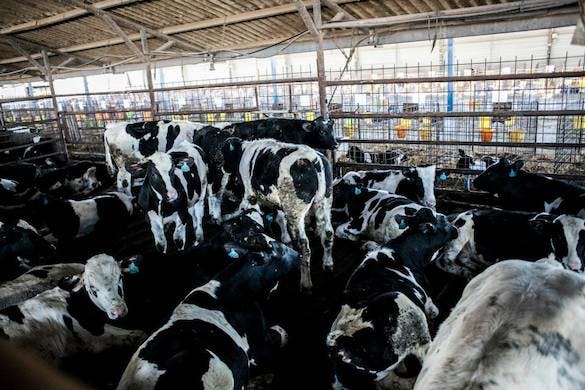
In the latest example of “now they tell us,” a new study finds that eating meat might not be bad for you after all and could well be beneficial for the body.
New research from Canada’s McMaster University suggests that animal proteins are not linked to a higher risk of death and could “offer protective benefits against cancer-related mortality,” according to the university.
“There’s a lot of confusion around protein — how much to eat, what kind, and what it means for long-term health. This study adds clarity, which is important for anyone trying to make informed, evidence-based decisions about what they eat,” the chairman of the Department of Kinesiology at McMaster University, Stuart Phillips, said.
The research, published in the journal Applied Physiology, Nutrition and Metabolism, analyzed data from nearly 16,000 adults aged 19 and older to examine their dietary patterns and health outcomes.
The study found no link between total protein, animal protein, or plant protein and the risk of death from any cause. When comparing plant and animal protein directly, the results remained consistent, suggesting that “plant protein has a minimal impact on cancer mortality, while animal protein may offer a small protective effect.”
“Combined with decades of clinical trial evidence, the findings support the inclusion of animal proteins as part of a healthy dietary pattern,” the researchers said.
Lead researcher Yanni Papanikolaou, president of Nutritional Strategies, added that the combined evidence supports the health benefits of both protein sources. “When both observational data and clinical research are considered,” he commented, “it’s clear that both animal and plant protein foods promote health and longevity.”
The study was funded by the National Cattlemen’s Beef Association, but the researchers asserted that the organization was “not involved in the study design, data collection and analysis or publication of the findings.”
The new study is just the latest example of doctors and researchers doing U-turns on whether the food we eat is healthy. For decades, they had said meat, eggs, butter, and milk were bad for us, only to reverse and eventually announce they were actually healthy.
Take eggs: They went from being viewed as unhealthy due to their cholesterol content to being recognized as a nutrient-dense and healthy food. For healthy individuals, eating eggs in moderation is associated with benefits like improved HDL (good) cholesterol, reduced risk of cardiovascular disease, and muscle maintenance, while providing essential vitamins, minerals, and protein.
“Most healthy people can eat up to seven eggs a week without increasing their risk of heart disease. Some studies have shown that this level of egg consumption might even help prevent certain types of stroke and a serious eye condition called macular degeneration that can lead to blindness,” the Mayo Clinic says.
Then there’s butter. Current research suggests that in moderation, butter is an acceptable part of a healthy diet, especially grass-fed varieties. “While historically blamed for heart disease due to saturated fat, recent findings question the link between saturated fat and heart issues, with some studies suggesting benefits like improved absorption of fat-soluble vitamins. Butter also provides nutrients like Vitamin A and antioxidants,” the Mayo Clinic says.
In addition, the Department of Health and Human Services secretary, Robert F. Kennedy Jr., is reversing the federal government’s stance on whole milk, now considered more healthy than its alternatives, citing new research that full-fat milk, cheese, and yogurt provide health benefits.
“Dairy fat was given a wrongful conviction in 1980,” a cardiologist and director of Tufts University’s Food is Medicine Institute, Dariush Mozaffarian, told the Washington Post. “Forty-five years later, I think that wrongful conviction might be overturned and dairy fat returned to the land of the living.”