Michigan Law School’s New Essay Prompt Requires Applicants To Answer Using Generative AI

The college was previously one of the firsts to explicitly ban the use of AI tools in application essays.

Via Wikimedia Commons
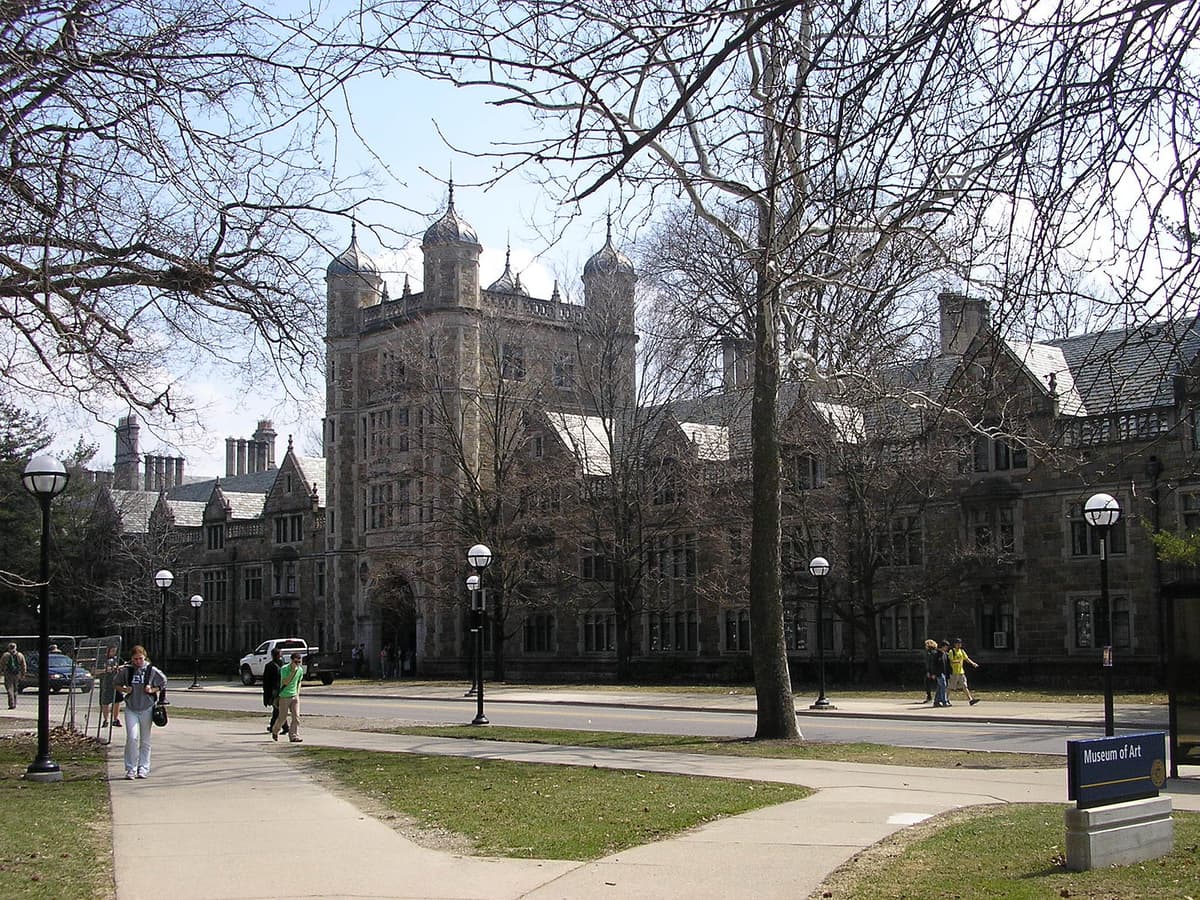
The University of Michigan campus. Via Wikimedia Commons

The University of Michigan Law School, which was among the first law schools to explicitly ban the use of AI tools in application essays, is rolling out a new essay prompt that’s specifically geared toward AI-enthusiasts. 

Come the fall application cycle, prospective students can choose to answer an essay prompt that not only asks them to write about their AI habits, but requires them to use the technology to craft their answer. 

“TO BE ANSWERED USING GENERATIVE AI: How much do you use generative AI tools such as ChatGPT right now? What’s your prediction for how much you will use them by the time you graduate from law school? Why?” 

The prompt is one of ten that applicants can choose from to guide two supplemental essays. 

The school official who came up with the question said she was inspired by anecdotes she heard over the past year about law firms using AI “to craft emails or short motions,” senior assistant dean Sarah Zearford told Inside Higher Ed. 

“That is now a skill that … probably not all legal employers, but big law firms, are looking for in their incoming associates,” Ms. Zearfoss said. “So I thought it would be interesting: If we have applicants who have that skill, let’s give them an opportunity to demonstrate it.”

Michigan Law still prevents applicants from using AI writing tools to help draft their personal statements or any other supplemental essay questions. Still, though, the new prompt signals a shift in tune from the hard-line approach that they adopted in 2023. 

The 2023 application cycle came on the heels of Open AI’s rollout of its AI chatbox, ChatGPT, in November 2022. The chatbox, which can generate human-like text, summaries, and yes, college application essays, quickly took academia — and the world — by storm. 

Law schools varied in their responses to the breakthrough technology, with some choosing to push against its use while others opted to embrace it. A week after Michigan Law banned applicants from using AI, Arizona State’s law school went in the opposite direction, becoming one of the first to outwardly permit its use. 

On the whole, though, most law schools refrained from explicitly embracing the technology. By October 2024, only one percent of admissions officers said that their law school permitted AI use in applications, while 45 said they had a policy prohibiting it. The remaining respondents said that their schools had yet to adopt an official policy. 

Now, three years since ChatGPT’s launch, many law schools are re-evaluating their outlook and are beginning to view AI as a tool that students should be encouraged to use and master. 

“After initially taking a more skeptical approach following the introduction of ChatGPT in 2022, law schools are warming up to using artificial intelligence in curriculum and clinics,” legal affairs writer Julianne Hill wrote in the American Bar Association Journal this past April. She noted that many law schools have rolled out AI-focused classes and clinics and, in some cases, have made AI training mandatory. 

The shift in attitude comes as the legal industry has grown more open to AI technology, albeit at a pace slower than others. While lawyers are reporting using AI more on an individual basis, adoption on the firm level is lagging due to concerns regarding ethics and privacy. 


The New York Sun

© 2025 The New York Sun Company, LLC. All rights reserved.

Use of this site constitutes acceptance of our Terms of Use and Privacy Policy. The material on this site is protected by copyright law and may not be reproduced, distributed, transmitted, cached or otherwise used.

The New York Sun

Sign in or  create a free account

or
By continuing you agree to our Privacy Policy and Terms of Use