


More American Homes on Market but Buyers Are Skittish

Price cuts are becoming more common but are not attracting more buyers.
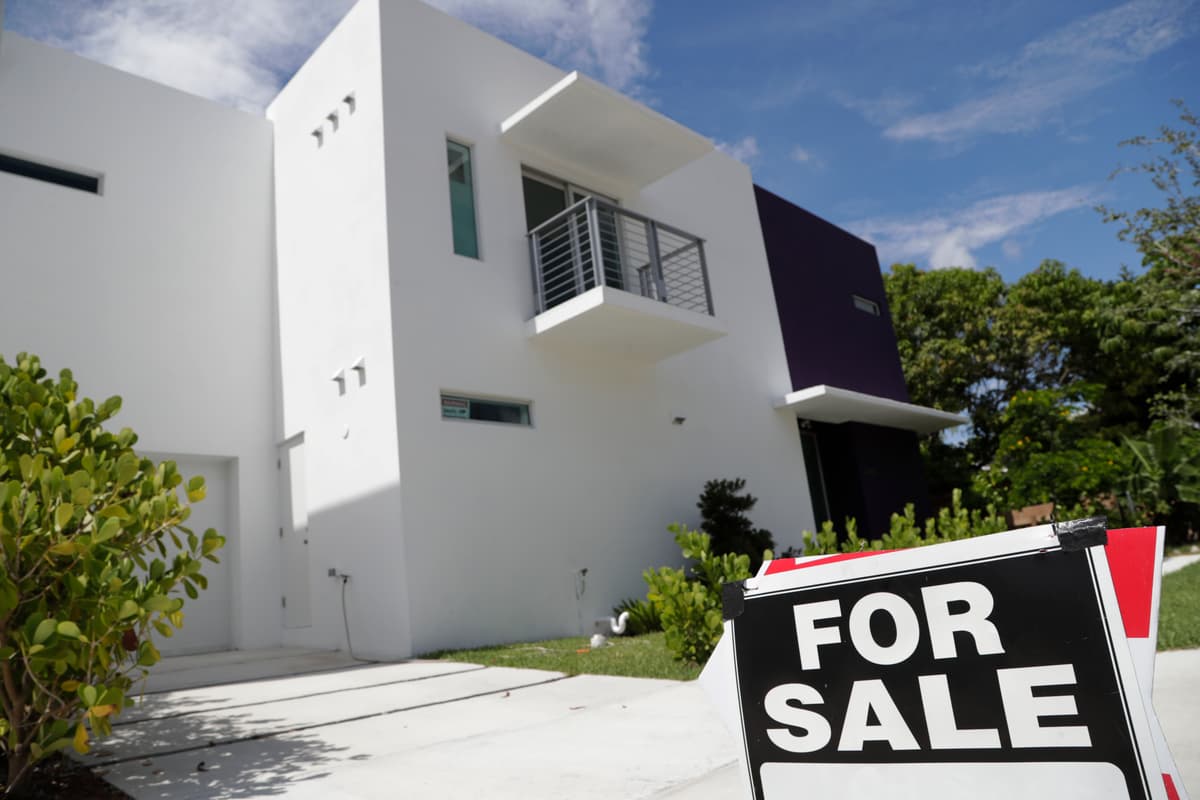
AP/Lynne Sladky
America is having its second housing bubble of the 21st century, courtesy of the Federal Reserve. AP/Lynne Sladky

The housing market is expected to be stalled or “frozen” in most parts of the country through at least the fall due to a lack of affordability and elevated mortgage rates, realtors say.

One issue is gone. There is no longer a shortage of houses for sale. More than 1.36 million homes were listed at the start of the summer — the most since November 2019, according to the popular realty app Zillow. Meanwhile buyers this summer have less competition than at any time since June 2018. 

“Across most parts of the country, buyers have more options to consider and less competition,” senior economist at Zillow, Kara Ng, says. “That doesn’t necessarily mean that it’s an easy market for buyers, though.”

Ms. Ng says that high home values and mortgage rates remain a barrier to entry, especially for first-time buyers.

“Until we see a more meaningful improvement in purchasing power, this balance in negotiating power between buyers and sellers will primarily benefit more well-off buyers,” Ms. Ng says.

Mortgage rates remain double the lows reached during the pandemic. Rates for 30-year fixed rate mortgages inched down last week but averaged 6.72 percent.

Rates have stayed above 6.5 percent for nine months. That is causing Americans, especially those with mortgages below 3 percent, to stay put for longer and stay out of the real estate market.

With the increased supply, stubbornly high mortgage rates, and a shortage of buyers, homes are staying on the market longer. Price cuts were reported on more than 20 percent of listings in July, according to research from Realtor.com.  Pending home sales were down 3 percent last month compared to a year ago.

There is a regional divide when it comes to inventory and price cuts. The report found the Northeast and Midwest remain tighter for inventory and are not seeing the price cuts that are affecting the South and West, areas that saw considerable growth during the pandemic.

While some markets, like New York, remain strong, nearly 27 percent of for-sale listings across the country had price cuts in June, Zillow reports. Denver is the worst market in the country with 38 percent of listings seeing price reductions in June.

Pandemic boomtowns like Raleigh, Nashville, and Phoenix are also among the markets with the most price cuts. A rising number of price cuts can indicate a rapidly cooling market.

Real estate firm Redfin says the gap between the number of sellers and buyers has accelerated this year, with the latest data showing there are 36 percent more sellers than buyers.

“Sellers need to start coming to terms with two things: One, homes are more often going to sit on the market for longer than a week or two before they sell, and two, buyers are gaining the upper hand,” Boston Redfin agent James Gulden says.

Economic uncertainty over the effects of tariffs on the overall economy are also weighing on the real estate market.

“In today’s environment of elevated mortgage rates and economic uncertainty, buyers are pulling back and sellers are adjusting their price expectations, so house prices naturally are softening,” says the deputy chief economist for First American Financial Corporation, Odeta Kushi.

The Federal Reserve, which has been blamed for elevated mortgage rates, is expected to cut interest rates as early as next month, but that might have a limited impact on the housing market. 

The Federal Funds Rate, which is set by the Fed, applies to very short-term loans while mortgage rates are tied to longer-term bonds. The Fed reduced its rate by 0.5 percentage points last September but mortgage rates rose along with yields on 10-year Treasury bonds due to concerns over long-term inflation and the cost of servicing the federal debt.

There might be good news on the way when it comes to affordability. Home values have risen rapidly over the past several years, limiting options for many buyers, especially those looking to purchase their first home.

Zillow expects home values and mortgage rates to head down by the end of the year, potentially allowing more people to look to buy homes again.


The New York Sun

© 2025 The New York Sun Company, LLC. All rights reserved.

Use of this site constitutes acceptance of our Terms of Use and Privacy Policy. The material on this site is protected by copyright law and may not be reproduced, distributed, transmitted, cached or otherwise used.

The New York Sun

Sign in or  create a free account

or
By continuing you agree to our Privacy Policy and Terms of Use