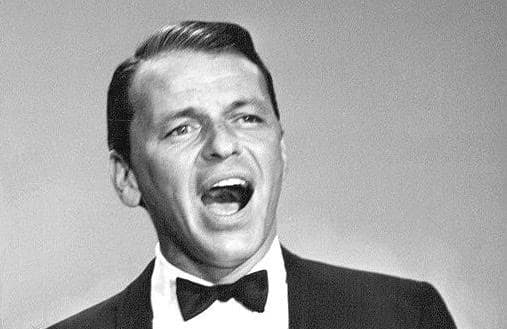
New Book Is the Standard Study of Edward Everett Horton, an Actor Who Embodied Both the Lordly Sophisticated and the Silly

No aspect of Horton’s career is neglected, and what can be gleaned about his private life is also discussed, though he was careful to keep all intimate matters, like his love-life, hidden.
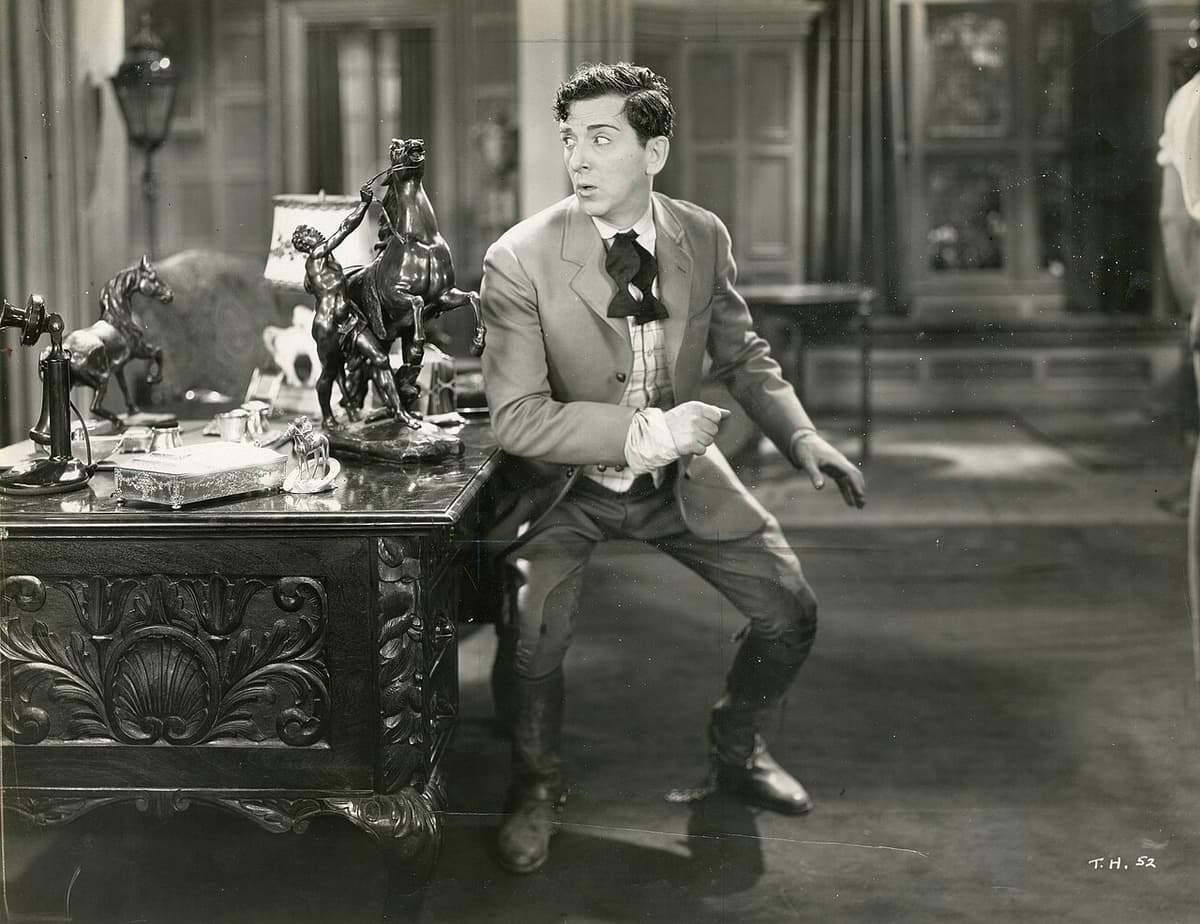
J. Willis Sayre Collection of Theatrical Photographs via Wikimedia Commons
Edward Everett Horton in 'The Hottentot.' J. Willis Sayre Collection of Theatrical Photographs via Wikimedia Commons

‘The Unfractured Fairy Tale Life of Edward Everett Horton’
By Lon Davis and Debra Davis
BearManorMedia, 304 Pages

Edward Everett Horton (1886-1970) was descended from a famous 19th century orator, Edward Everett, who took three hours to say what Abraham Lincoln accomplished in less than three minutes in his Gettysburg address. Everett later published a highly respected biography of George Washington. 

The actor billed himself as Edward Horton at the beginning of his career — that is, until his father pointed out the obvious: Announce to the world who you are and where you come from. Lon and Debra Davis do not spend much time on their subject’s lineage, yet his full name surely declared that this was an actor with a pedigree that resonated in the timbre of his droll and cultured voice.

Even though Horton often played befuddled characters, including a wide range of eccentrics from confused butlers to hypochondriac high society gentlemen, he brought a zany sort of integrity to his roles like aristocrat Francis Fileba in “Trouble in Paradise,” puritanical advertising agent Max Plunkett in “Design for Living,” and Lovett, the bewildered paleontologist in “Lost Horizon” — just to name a few of the important roles Horton played in major films.

He was called the master of the double-take — which the authors define as “an actor’s reaction to something, followed by a delayed, more extreme reaction.” Horton perfected the technique to make it more precise, more of a character study: “It was about his character’s delayed reaction to something that is said to him. So distracted is he by the slightest thing that when someone makes an untoward statement, he is initially smiling and nodding in agreement; then, when his addled brain catches up to the true meaning behind the statement, he gives his critic a second look, a double-take—and his smile is replaced by a look of peevishness.”

In other words, Horton’s characters were often slow on the uptake. What the authors don’t say is that though the double-take obviously brought Horton more attention, it was reflected back on the actors he was working with, providing their lines with an extra oomph. 

Horton was known as a remarkably generous man. He got his start on the stage playing in various stock companies, learning not merely his profession but also how to work with other actors so as to make everyone’s part integral to a production.  

Off set or off stage, Horton kept to himself, mainly, inviting a select few to his celebrated champagne breakfast at his estate. He was never out of work, bought property wisely, and was more than a bit of a penny pincher. Yet if he liked an actor, as he did with Eve Arden (who appeared in two films with him), she became part of his social set.

As the authors show, Horton grew up in a most fortunate time in theater history, when full employment as an actor was feasible because every sizable town had its own theater company.

Horton never stopped working on stage, on films, in radio, and on television, becoming renowned all over again for his arch retellings of fractured fairy tales on the Rocky and Bullwinkle television series. Listening to him, as I did, as a youth, Horton’s voice had a bemused, lordly quality, and an ironic tone that sounded so sophisticated and silly at the same time. 

The authors have done diligent work in the archives and have interviewed those long-lived actors who were still around after Horton’s death. Don’t skip the endnotes, which provide a good deal of context about Horton’s film appearances and the world in which he thrived.

No aspect of Horton’s career is neglected, and what can be gleaned about his private life is also discussed, though he was careful to keep all intimate matters, like his love-life, hidden. He never married. He was most likely homosexual but never said so, and he never played roles that questioned his sexual identity, though some of his characters could be called effete.

This standard study of Horton includes a Filmography, Unrealized Film Projects, Radio & TV Credits, and a full list of sources. Honestly, what more could one ask?

Mr. Rollyson is the author of “Ronald Colman: Hollywood’s Gentleman Hero.” His biography in progress is “Our Eve Arden.”


The New York Sun

© 2025 The New York Sun Company, LLC. All rights reserved.

Use of this site constitutes acceptance of our Terms of Use and Privacy Policy. The material on this site is protected by copyright law and may not be reproduced, distributed, transmitted, cached or otherwise used.

The New York Sun

Sign in or  create a free account

or
By continuing you agree to our Privacy Policy and Terms of Use