New Car Prices Cross $50,000 Threshold for First Time as Electric Vehicle Sales Surge Ahead of Tax Credits Sunset
‘The $20,000-vehicle is now mostly extinct, and many price-conscious buyers are sidelined or cruising in the used-vehicle market,’ one auto industry analyst says.

The cost of buying a new car in America has reached a historic milestone, with the average price surpassing $50,000 for the first time in September, according to new data.
Kelley Blue Book reports that American consumers paid an average of $50,080 for a new vehicle last month, a 3.6 percent increase from the same period last year. The record-breaking figure represents a dramatic shift in the automotive landscape, driven primarily by soaring electric vehicle sales and continued demand for luxury models.
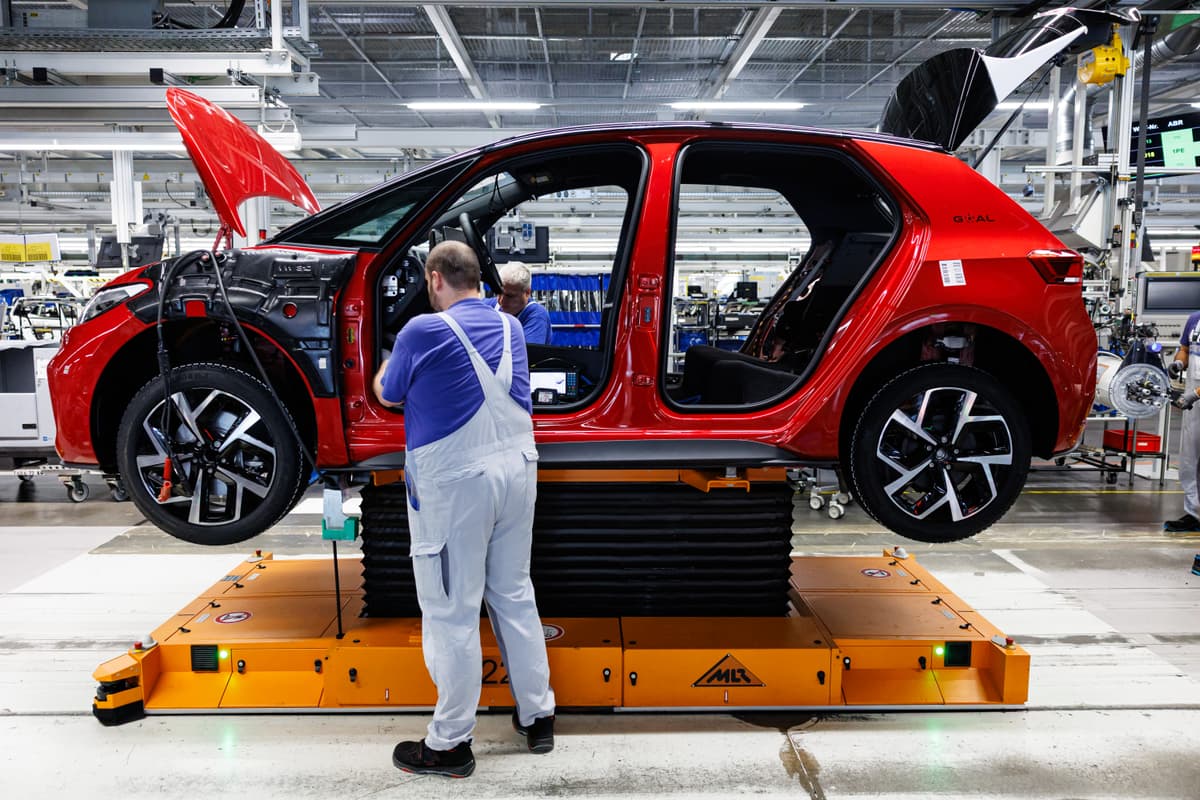
The surge in prices coincided with a rush to purchase electric vehicles before the September 30 expiration of a $7,500 federal tax credit. Battery-powered cars captured a record 12 percent of the American market in September, with electric models commanding an average price of $58,124 — significantly higher than the overall market average.
“The $20,000-vehicle is now mostly extinct, and many price-conscious buyers are sidelined or cruising in the used-vehicle market,” said Erin Keating, an executive analyst with Cox Automotive, KBB’s parent company. “Today’s auto market is being driven by wealthier households.”
High-end vehicles also contributed to the price surge, with luxury cars accounting for 7.4 percent of total new car sales in September, up from 6 percent a year earlier. More than 60 models with average prices exceeding $75,000 found buyers despite the hefty price tags, reflecting the spending power of affluent consumers.
The pricing trend marks a significant departure from the automotive market of just five years ago, when the average new vehicle cost $40,000. Today’s prices represent an increase of more than 25 percent over that period, fundamentally changing who can afford to buy new cars.
The escalating costs have forced many Americans to seek alternatives to new car purchases. Budget-conscious consumers are increasingly turning to the used car market or choosing to keep their current vehicles longer. The average age of a U.S. passenger car on the road now has soared to 14.5 years, up from 8.4 years in 1995, according to Polk data.
For those who do purchase new vehicles, financing has become more challenging. The average monthly car payment reached $754 in the third quarter, according to Edmunds.com, with buyers extending loan terms to seven years or more to manage the higher costs. One in five new car buyers now face monthly payments exceeding $1,000.
While current price increases stem primarily from consumer demand for premium vehicles, industry analysts warn that additional cost pressures are building. President Trump’s tariffs have added new expenses for automakers, though manufacturers have so far largely absorbed these costs rather than passing them directly to consumers.
Analysts expect that automakers will eventually need to pass along tariff costs to protect profit margins, potentially driving prices even higher and deepening the affordability crisis for middle-class buyers.