
New Jersey Man Dies From ‘Meat Allergy’ Triggered by Tick Bite
The death is the first confirmed to be connected with Lone Star ticks that are spreading across the country.
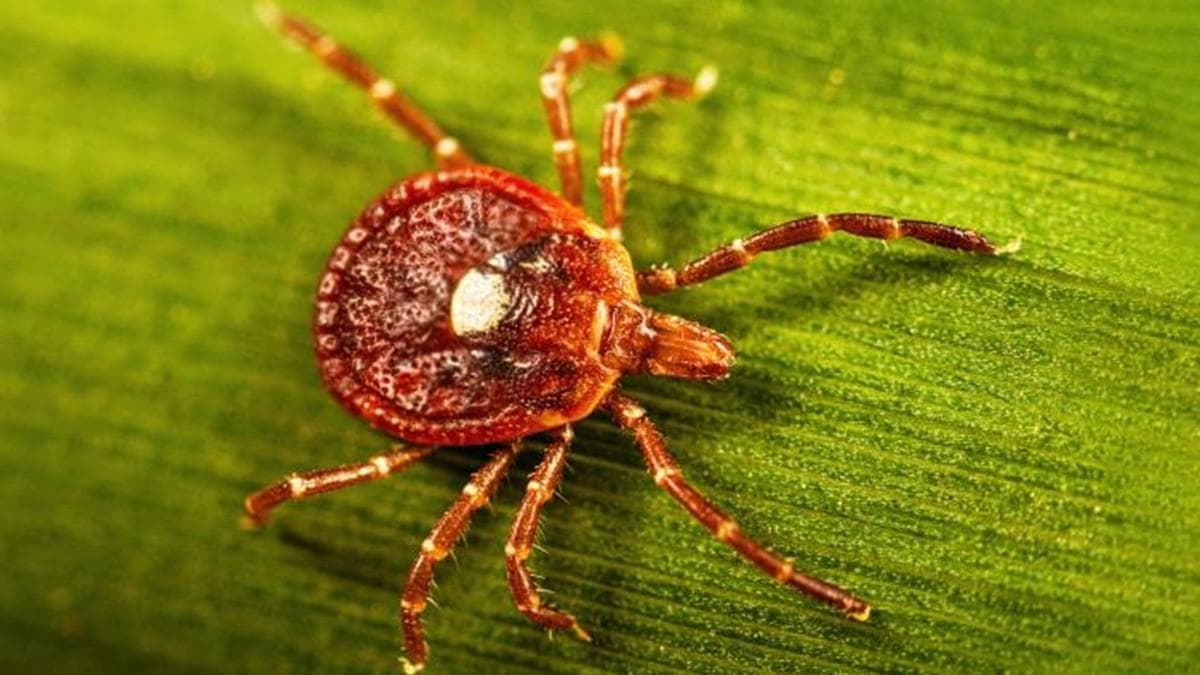

A 47-year-old New Jersey man is believed to be the first case of a death caused by what is commonly called the “meat allergy” that is spread by ticks.
The allergy is caused by the bite of the Lone Star tick. Bites can sensitize people to alpha-gal, a sugar found in mammalian meat. People who become sensitized to the sugar can have allergic symptoms such as rash, nausea, and vomiting after eating beef, pork, or lamb.
There have been fears that Alpha-Gal Syndrome could cause deadly anaphylaxis in severe cases but there had previously not been any confirmed fatalities.
Researchers at University of Virginia’s School of Medicine said the healthy man died abruptly four hours after consuming beef.
“Severe abdominal pain occurring 3 to 5 hours after eating beef, pork, or lamb should be investigated as a possible episode of anaphylaxis,” Dr. Thomas Platts-Mills, a world-renowned allergist at the school who discovered the allergy, said. “Tick bites that itch for more than a week or larvae of ticks often called ‘chiggers’ can induce or increase sensitization to mammalian-derived meat.”
Products from mammals, like milk and gelatin can also trigger reactions.
Dr. Platts-Mills adds that most individuals who have mild to moderate symptoms, like hives, can control symptoms with an appropriate diet.
The victim — who was not identified — had gone camping with his wife and children in summer 2024. One night they ate a late steak dinner at 10 p.m. The man woke at 2 a.m. with severe abdominal pain, diarrhea, and vomiting. He recovered by morning, but he told his son he had thought he was going to die.
Two weeks later — still unaware he had contracted the meat allergy — he ate a hamburger at a barbeque. He started feeling ill later that evening and his son found him collapsed in the bathroom about a half hour later.
An autopsy was inconclusive, with the cause reported as “sudden unexplained death.”
The man’s wife asked a doctor to review the autopsy report. That doctor contacted Dr. Platts-Mills to see if alpha-gal could have played a role.
Dr. Platts-Mills obtained samples of the man’s blood and found that he had been sensitized to alpha-gal and indicated the man had had an extreme reaction.
Doctors suspect that several factors may have contributed to the severity of the man’s allergic reaction, including having a beer with his burger, exposure to ragweed pollen, and having exercised that afternoon.
Physicians are now being urged to be on the lookout for people who have developed the allergy. A blood test can confirm if an individual’s immune system has developed antibodies to alpha-gal. People with the allergy are urged to always carry epinephrine in case of a reaction. Epinephrine is a common medicine carried by individuals with severe peanut allergies.
Most Alpha-Gal Syndrome cases in the United States have been reported in a band of states that stretch from Virginia to Kansas and Oklahoma.
The deer population is exploding in many states, and they are prime breeding grounds for the Lone Star tick.
“It is important that both doctors and patients who live in an area of the country where Lone Star ticks are common should be aware of the risk of sensitization,” Dr. Platts-Mills said.