
News Networks Team With Prediction Market Sites Amid Looming Regulatory Battles Over Unlicensed Gambling
Fast-growing sites like Kalshi and Polymarket have generated nearly $28 billion in trading volume through October.

Mainstream media is going all-in on prediction market sites, scoring deals to integrate their data into news gathering operations.
Multiple national news outlets are betting on partnerships with betting-style markets like Kalshi and Polymarket to bolster their coverage with forecasts of future events. Both CNN and CNBC have announced new deals with the former.
Kalshi just closed on a multi-year partnership with the business news channel to have its real-time prediction data appear on all of the channel’s platforms in 2026, according to a report from Business Insider.
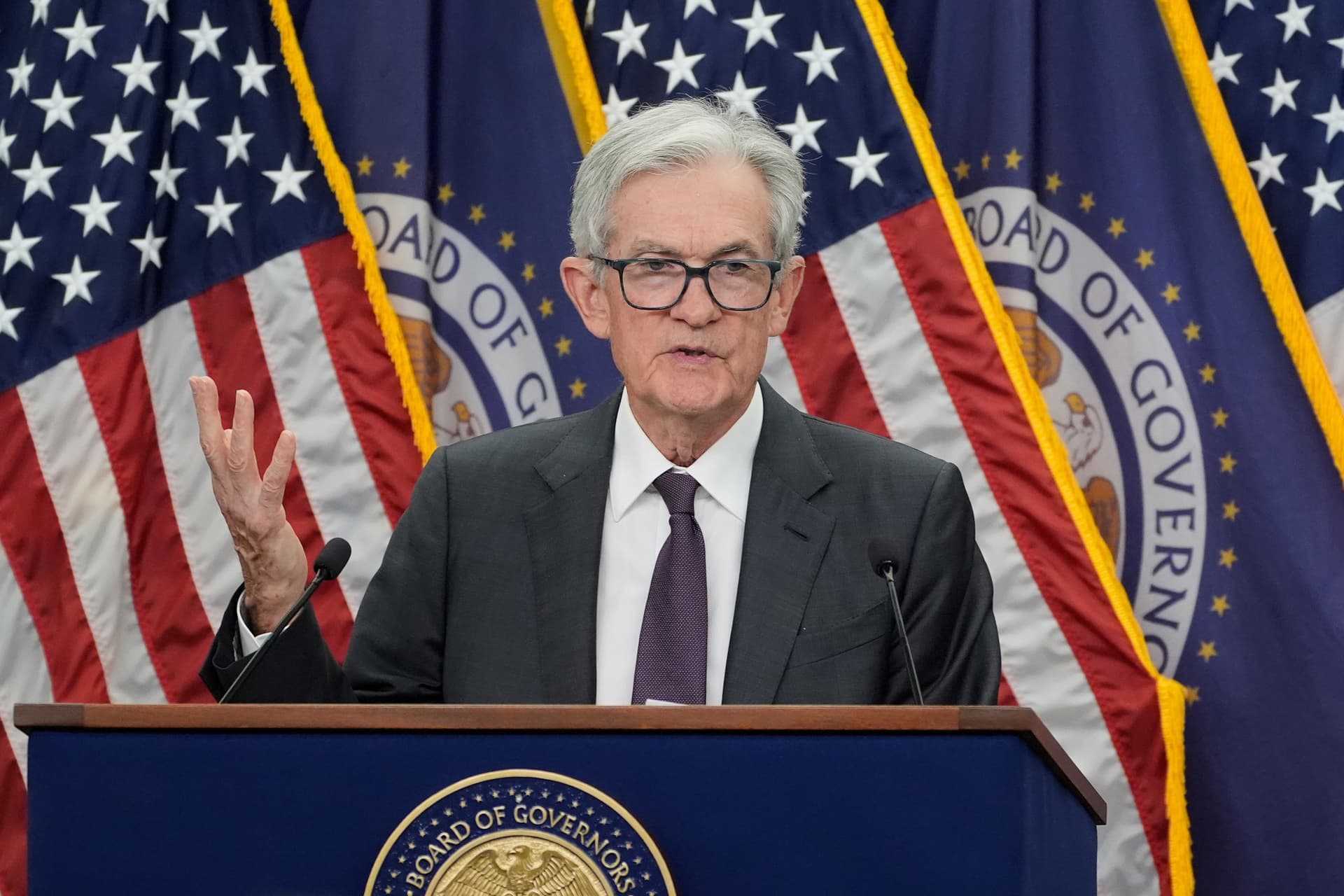
CNBC is plugging Kalshi’s betting odds directly into its programming so that viewers can see what traders think might happen — Fed rate cuts, market moves, you name it — based on real-money wagers. Kalshi’s branding will splash across segments on “Squawk Box” and “Fast Money,” while Kalshi returns the favor with a CNBC-branded page on its site.
Kalshi CEO Tarek Mansour said in a statement that the new deal with CNBC is “the next evolution: moving from data about what’s happening now, to real-time forecasts about what’s happening next.”
The market site — which recently raised $1 billion from investors at an $11 billion valuation — also struck a deal this week with CNN to be their sole “future probability” source, providing real-time probabilities on political, cultural, and weather events.
Kalshi’s main rival, Polymarket, inked a data integration deal with Yahoo Finance last month and, earlier this year, became X’s official prediction market service. Both Kalshi and Polymarket also signed deals with Google in November.
Prediction markets are riding the sports betting wave after the legalization of online gambling opened the floodgates. Trading volume hit nearly $28 billion through October this year, according to Crypto.com.
Prediction sites “can be highly engaging” because they “create a feeling of being connected to real events as they unfold,” the chief executive officer of Kindbridge Behavioral Health, Daniel Umfleet, said to Business Insider.
Kalshi and Polymarket both insist that they are not sportsbooks and therefore not subject to the jurisdiction of state gambling regulators. Some states have disagreed.
In late November, a Nevada federal judge ruled against Kalshi, saying the company isn’t “licensed to conduct gaming in Nevada or any other state” and is trying to “evade state regulation.”
On Wednesday, the Connecticut Department of Consumer Protection’s gaming division issued a cease and desist order to Kalshi, Robinhood, and Crypto.com, calling their prediction markets “unlicensed online gambling.”
In a statement responding to the order, Kalshi said other courts have recognized that it “is a regulated, nationwide exchange for real-world events, and it is subject to exclusive federal jurisdiction.”
“It’s very different from what state-regulated sportsbooks and casinos offer their customers,” the statement said. “We are confident in our legal arguments and have filed suit in federal court.”