‘NPR Got What It Deserved’: Public Radio CEO Is Denounced for Defiant Remark About ‘Non-White Voices’ After Congress Ends Federal Funding
The NPR chief says she’s relieved that public media no longer has a ‘Sword of Damocles over our heads,’ in the form of congressional Republicans.
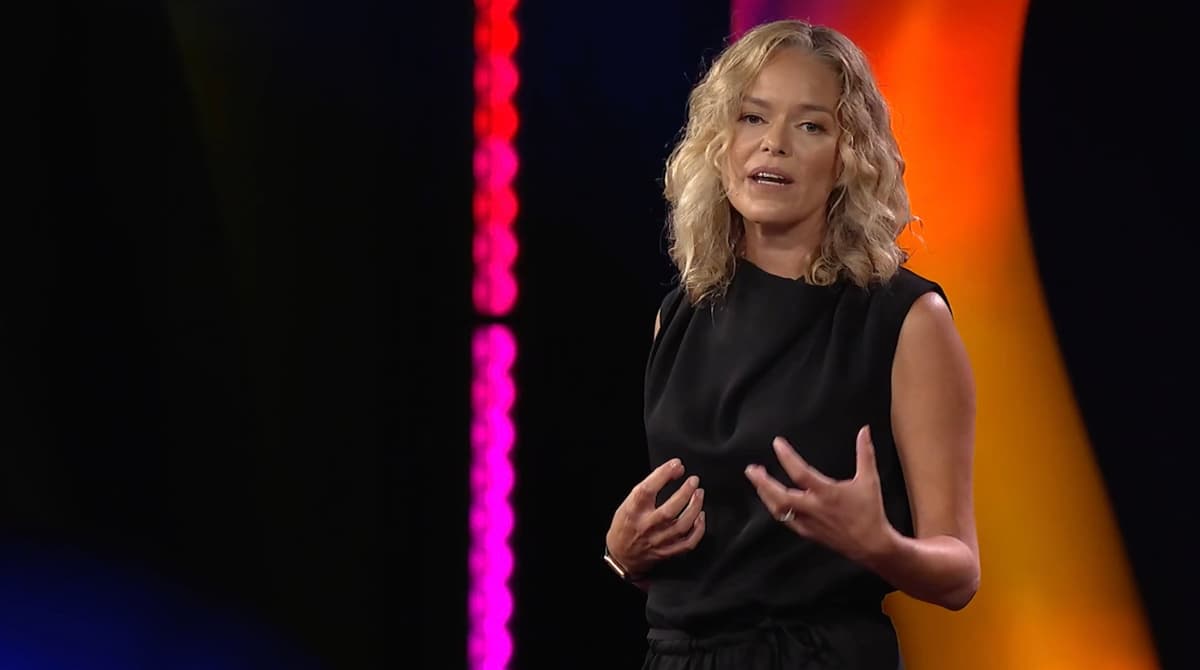

The head of NPR, Katherine Maher, is coming under fierce criticism for remarking, after Congress killed federal funding for public broadcasting, that “having non-white voices and perspectives on air does not make us woke.”
In an interview with the “Status” newsletter following the final House vote that ended federal funding, Ms. Maher doubled down on her insistence — made repeatedly in interviews in the days before the Congressional vote — that NPR does not have liberal bias. She also expressed “deep frustration” with Congress voting to cut off federal funding to NPR and PBS.
At the same time, she defended funding for NPR by stating that NPR’s national news operation receives “less than half of one percent of all federal funds for public broadcasting.” She added, “NPR will continue to operate.” The cuts will instead affect local radio stations and that decision to turn off the spigot will lead to a “nearly immediate loss of universal coverage in hard-to-reach parts of the country, as well as layoffs of journalists covering local and state news.”
Republicans in Congress have long sought to cut funding for public broadcasting, primarily due to their frustration with NPR’s national news programming, which they consider to be virulently partisan. Indeed, in her interview with a left-wing journalist, Oliver Darcy, Ms. Maher criticized the move and said it was designed to score political points.

When asked by Mr. Darcy about Republicans’ complaints that NPR and PBS push “woke” content, Ms. Maher insisted that it is a “stalking horse.”
“We can have real, substantive policy debates about federal funding for public media. I recognize that’s a matter of legitimate political disagreement,” she said. “I’ll come armed to that debate with binders full of constituent testimonials, reams of economic analyses, and plenty of arguments about the quantitative and qualitative value of public information. But that’s not the debate we’re having here.”
She listed the range of topics NPR covers, from “soybean farmers and LGBTQ activism” to “local manufacturing and international trade organizations.”
Perhaps most notably, Ms. Maher contended, “Having non-white voices and perspectives on air does not make us woke. Covering the existence of disagreement and difference in our country does not make us biased. It makes us reflective of the complex, diverse nation we serve.”

Public broadcasting, and NPR’s national news programming in particular, have long been accused of overt liberal bias. House Republicans in March held a hearing about funding for public broadcasting, where they confronted Ms. Maher and the head of PBS, Paula Kerger, with examples of stories they said were “woke” or showed signs of bias.
Lawmakers confronted Ms. Maher about some of NPR’s left-wing content, such as an article about “the whole community of queer dinosaur enthusiasts,” or another one that suggested that civility is racist and doorways are representative of “latent fat-phobia.”
Ms. Maher also faced questions about extreme left-wing comments she made on social media before she became NPR’s CEO. Ms. Maher told her inquisitors that her view of America has “evolved” over the last five years, and she no longer believes the country is “addicted to white supremacy” (one of many extremist statements she made prior to taking the NPR job).
Shortly before the funding cut was approved by Congress, Ms. Maher told CBS News that “public media, public radio, public television, are a critical part of the emergency response plans of nearly half of the states in this nation,” and warned that cutting off the funding is a “real risk to the public safety of the country.”

But in all her media appearances, Ms. Maher would not give an inch on the issue of bias, and offered no concessions to Congress. Over the past several decades, public broadcasting has consistently evaded losing its federal funding — often at the 11th hour — but this time, with President Trump pushing hard to kill the funding, public broadcasting’s usual bag of tricks didn’t work.
When asked by Mr. Darcy what public media will do without federal funds, Ms. Maher said, “We go forward. We’ll take a moment to mourn — we know there will be genuine hardship and loss in many of the places that deserve it least. Our communities will lose valued stations; we may lose valued colleagues.”
“But federal funding is only a percentage of the total budget of public media. Across the country, the public media system adds billions to the GDP in America, a public-private partnership employing tens of thousands of people and serving tens of millions,” she said.
Despite stating that there will be a mourning period and warning about public safety because of the cuts, Ms. Maher shared a positive note as she said, “We will no longer have the congressional funding Sword of Damocles over our heads.”
“So, it’s also time to move forward. It’s our opportunity to seize — 50 years after the passage of the Public Broadcasting Act, we have a strong national network, a proven public value, and the opportunity to leave behind the things that no longer serve our mission,” she added.

After Ms. Maher’s interview was published, several commentators criticized her for complaining about the funding cuts.
Senator Kennedy wrote, “Newsflash for NPR’s Katherine Maher: The debate over NPR funding was NEVER about ‘non-White voices and perspectives on air…’ It’s about taxpayers wanting to stop subsidizing ALL media—especially outlets as biased as yours.”
A conservative commentator, Steve McGuire, wrote on X, “Asked about NPR’s bias in a new interview, Katherine Maher says the ‘argument about public media being ‘biased’ is a stalking horse’ and having non-white voices and perspectives on air does not make us woke.’ NPR got exactly what it deserved.”
“I felt a little bad at first about hearing NPR getting defunded, but now I don’t after reading this,” another person wrote on X.
Someone else asked, “Most media have to self fund. Why should you be different? You offer biased content as well.”
Ms. Maher was criticized after she shared a video on social media last week asking for donations while warning that the federal funding cut “hurts communities across America.”