
Oday Rasheed’s ‘If You See Something’ Is First American-Backed Narrative Picture by an Iraqi-Born Filmmaker

It doubtless won’t be the last given that ‘If You See Something’ has, at its foundation, a forward-looking and, as such, optimistic purview.
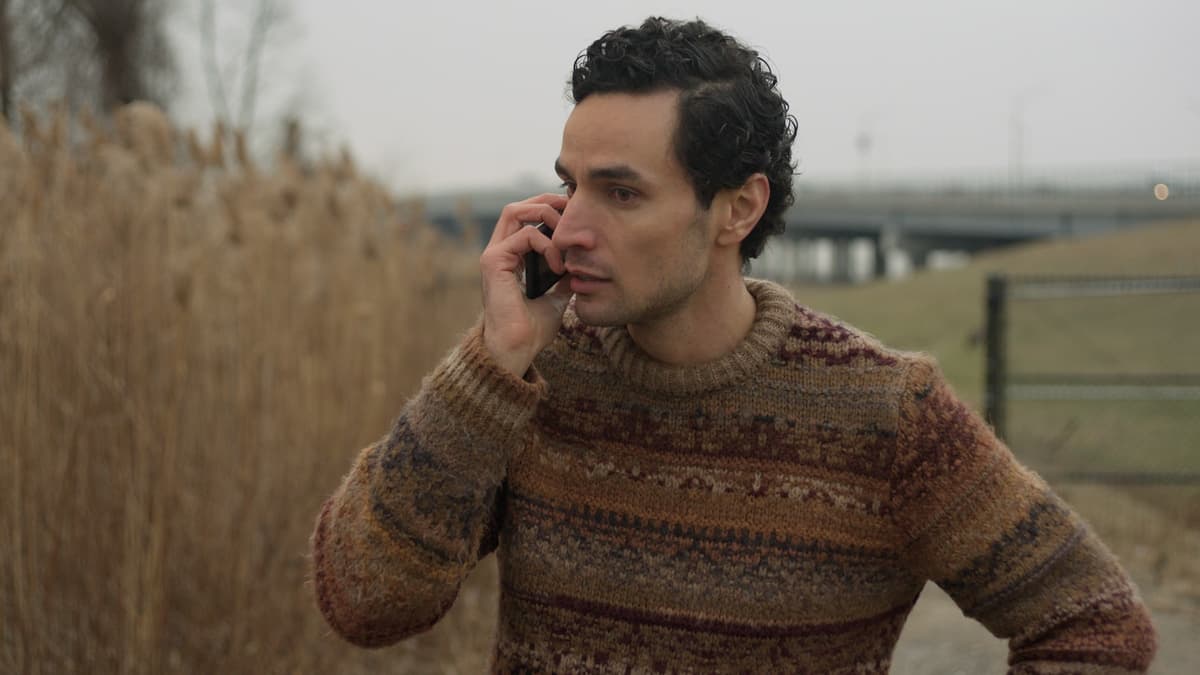
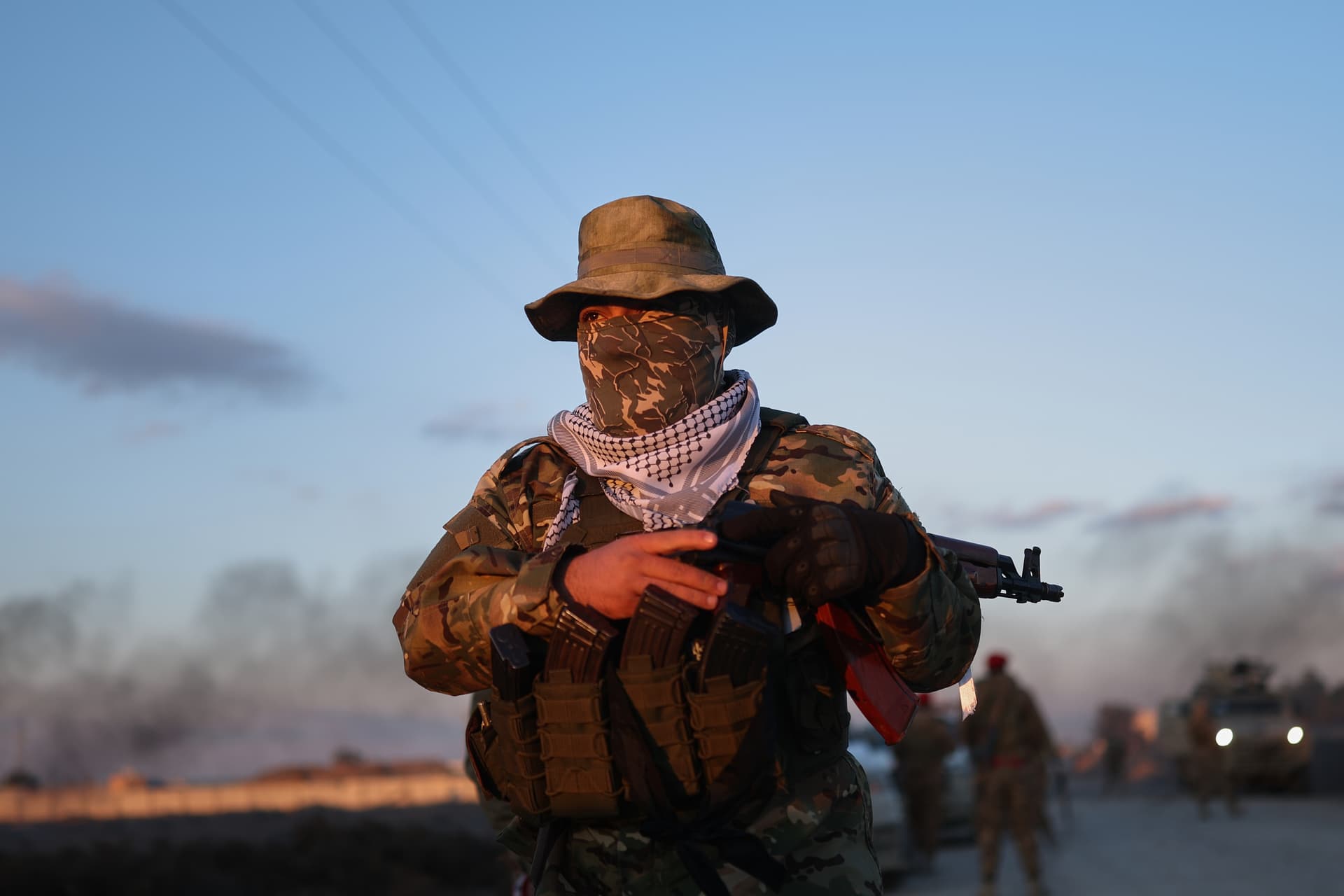
Via Joint Venture
Adam Bakri in 'If You See Something.' Via Joint Venture

While watching Oday Rasheed’s “If You See Something,” one can’t help but wonder when immigration and its effect on the body politic wasn’t a hot-button issue. Media cycles come and go, as do the circumstances of history and politics — all of which can bring emphasis to the matter at hand. Mr. Rasheed writes that current debates centering on immigration concern “an ultimate struggle between rejection and acceptance.” Struggle is one thing, “ultimate” another: The latter presupposes an endpoint to which only someone with a crystal ball can readily posit.

“If You See Something” runs contrary to the filmmaker’s intentions, being an elaboration on how struggle is endemic to the human condition and that understanding and time are vital in the absorption of cultural discrepancies. The script by the late Avram Ludwig and Jess Jacobs — who does triple-duty as screenwriter, producer, and actress — is predicated on Mr. Rasheed’s own story as an Iraqi-born “guerilla filmmaker” who found his way to these shores in 2012. 

If the auteur’s initial effort, “Underexposure” (2005), was the first feature shot at Baghdad after the arrival of American forces, his latest effort is similarly noteworthy, being the first American-backed narrative picture by an Iraqi-born filmmaker. It doubtless won’t be the last given that “If You See Something” has, at its foundation, a forward-looking and, as such, optimistic purview. Mr. Rasheed and his crew concentrate on the foibles of their characters rather than engage in righteous argument.

Which isn’t to say that righteousness is absent — any work of art that delves into political waters is bound to get wet. Ms. Jacobs and Ludwig have written a story that emphasizes how a country is “not defined by where we were born, but by where we had decided to call home.” Fob off these sentiments as well-meaning twaddle if you’d like. Although one doubts that Mr. Rasheed is aiming to become the 21st-century answer to Frank Capra or Miloš Forman, immigrants who took to their adopted country with reservations but moreso with fervor, the artistic territory he travels is not unrelated.

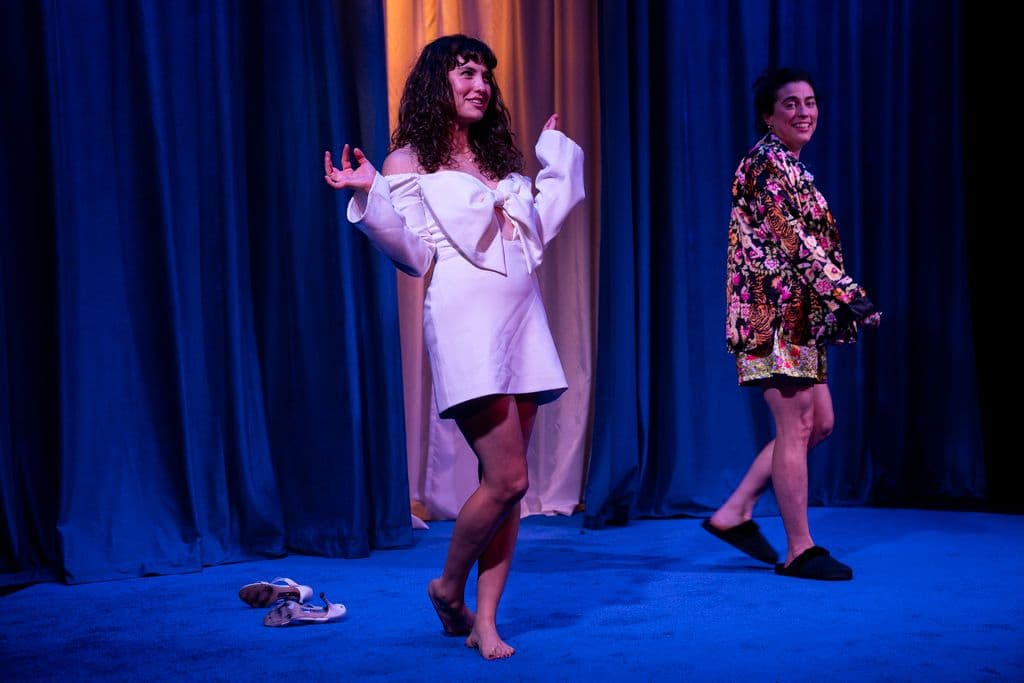
Adam Bakri and Jess Jacobs in ‘If you See Something.’ Via Joint Venture

There is much to admire in this well-observed, if sometimes flatfooted, movie. The director’s economy of means is impressive, particularly given that the majority of the film takes place in a locale renowned for its logistical complexities, New York City. Shot over the span of three weeks, “If You See Something” does a smart job of juxtaposing lives that don’t mean a hill of beans with a metropolis that is forever yoking our attention. The modest irony being, of course, that the aforementioned hill is of no small consequence to its participants.

Ali (Adam Bakri) and Katie (Ms. Jacobs) are in love and in Brooklyn. Ali was a practicing doctor at Baghdad who is seeking asylum in the United States. Katie is an art dealer on the verge of becoming a major player. They met through the auspices of Ali’s childhood friend and an artist Katie’s gallery represents, Dawod (Hadi Tabbal). 

When Dawod travels to Baghdad, he is kidnapped and held for ransom by an unnamed group of assailants. All the while, Ali is going through the onerous task of getting his papers in order with the help of an immigration lawyer recommended by Katie’s dad, Ward (Tony Award winner Reed Birney).

Along the way we encounter boorish in-laws, good deeds done under illegal means, and Omar (Nasser Faris), an acquaintance of Ali’s and a good foil to Ward — both being older, hard-headed men. Would that the characters of Ali and Katie weren’t as tinny as they are, being placeholders that don’t give Ms. Bakri and Ms. Jacobs much more to do than, respectively, brood and bristle. 

That, and the movie’s rhythm is off-center; tensions at the heart of the story tend to wander rather than gain in intensity or focus. Mr. Rasheed has given us a film whose hard-won credibility outshines its cinematic dynamism.


The New York Sun

© 2025 The New York Sun Company, LLC. All rights reserved.

Use of this site constitutes acceptance of our Terms of Use and Privacy Policy. The material on this site is protected by copyright law and may not be reproduced, distributed, transmitted, cached or otherwise used.

The New York Sun

Sign in or  create a free account

or
By continuing you agree to our Privacy Policy and Terms of Use