
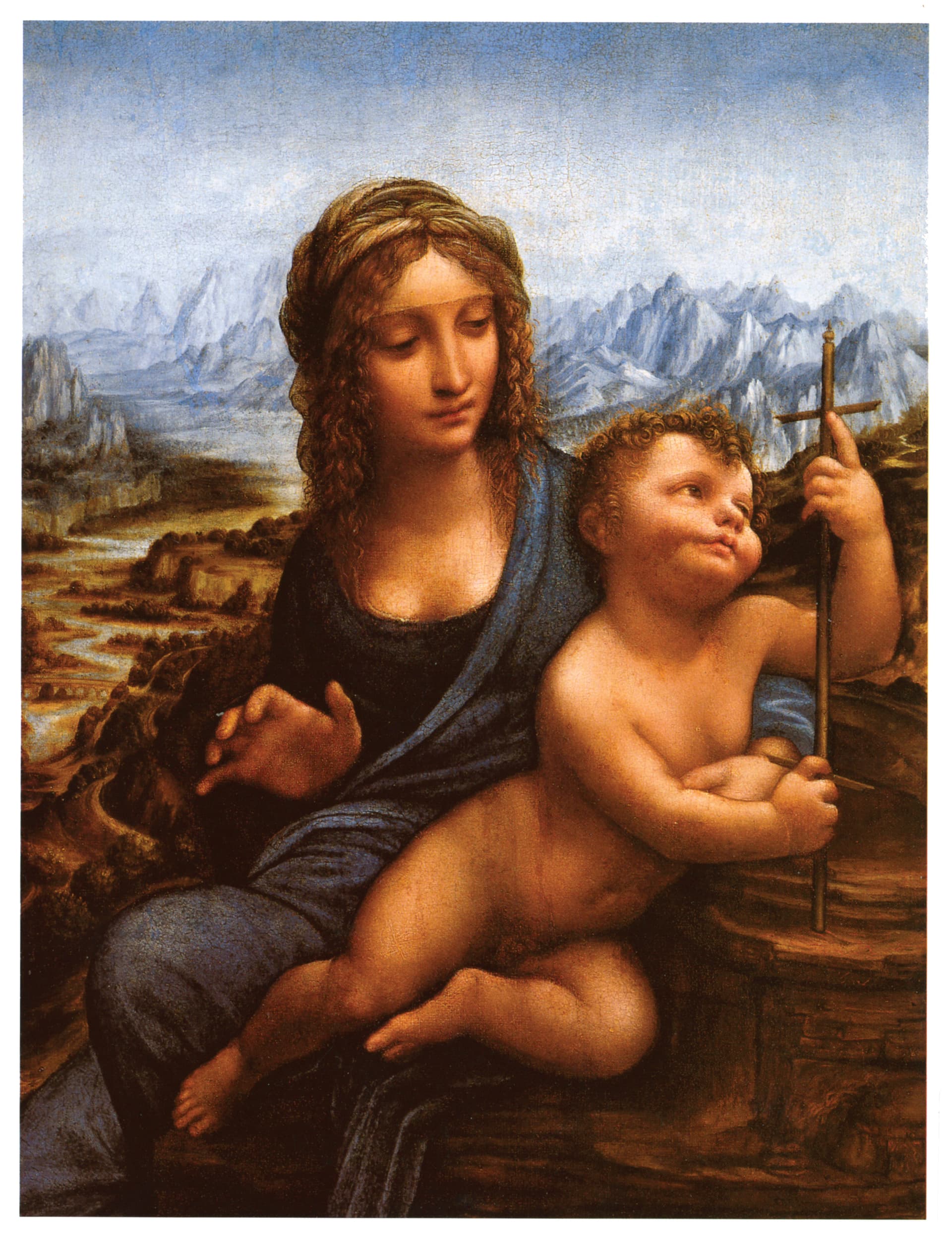
The Met’s Understated Madonna: A Rare Leonardo da Vinci Masterpiece Now Discreetly in Full View
By HARRY TANNER
|This article is from the archive of The New York Sun before the launch of its new website in 2022. The Sun has neither altered nor updated such articles but will seek to correct any errors, mis-categorizations or other problems introduced during transfer.

Published:
Updated:
Although more than three decades have now passed since the winter of 1974, when unbound, hand-typed, samizdat manuscripts of Alexander Solzhenitsyn’s “The Gulag Archipelago” first began circulating around what used to be the Soviet Union, the emotions they stirred remain today. Usually, readers were given only 24 hours to finish the lengthy manuscript — the first-ever historical account of the Soviet concentration camp system — before it had to be passed on to the next person. That meant spending an entire day and a whole night absorbed in Solzhenitsyn’s sometimes eloquent, sometimes angry prose, not an experience anyone was likely to forget.
By HARRY TANNER
|
By ELYSA GARDNER
|
By THE NEW YORK SUN
|
By THE NEW YORK SUN
|
By MATTHEW RICE
|
By BENNY AVNI
|
By GEORGE WILL
|
By ROSS ANDERSON
|Although more than three decades have now passed since the winter of 1974, when unbound, hand-typed, samizdat manuscripts of Alexander Solzhenitsyn’s “The Gulag Archipelago” first began circulating around what used to be the Soviet Union, the emotions they stirred remain today. Usually, readers were given only 24 hours to finish the lengthy manuscript — the first-ever historical account of the Soviet concentration camp system — before it had to be passed on to the next person. That meant spending an entire day and a whole night absorbed in Solzhenitsyn’s sometimes eloquent, sometimes angry prose, not an experience anyone was likely to forget.
Already have a subscription? Sign in to continue reading
Cancel anytime
By continuing you agree to our Privacy Policy and Terms of Service.