Oslo Accords Are, in Effect, Dead, After World Waits in Vain for Palestine To Choose Statehood Over Martyrdom 

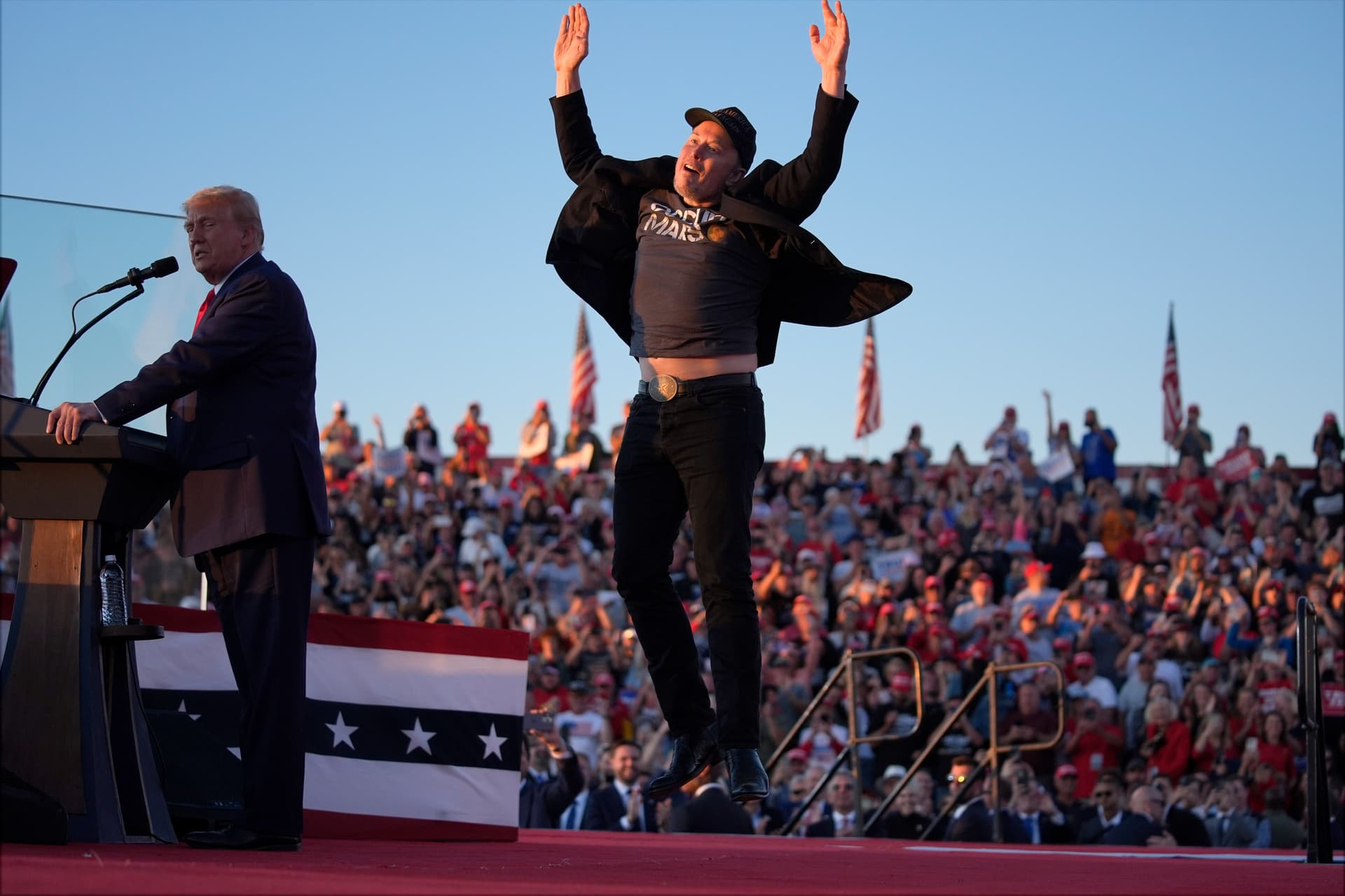
What’s next for the Middle East will depend to a large degree on the partnership between President Trump and Prime Minister Netanyahu.
MPI/Getty Images)
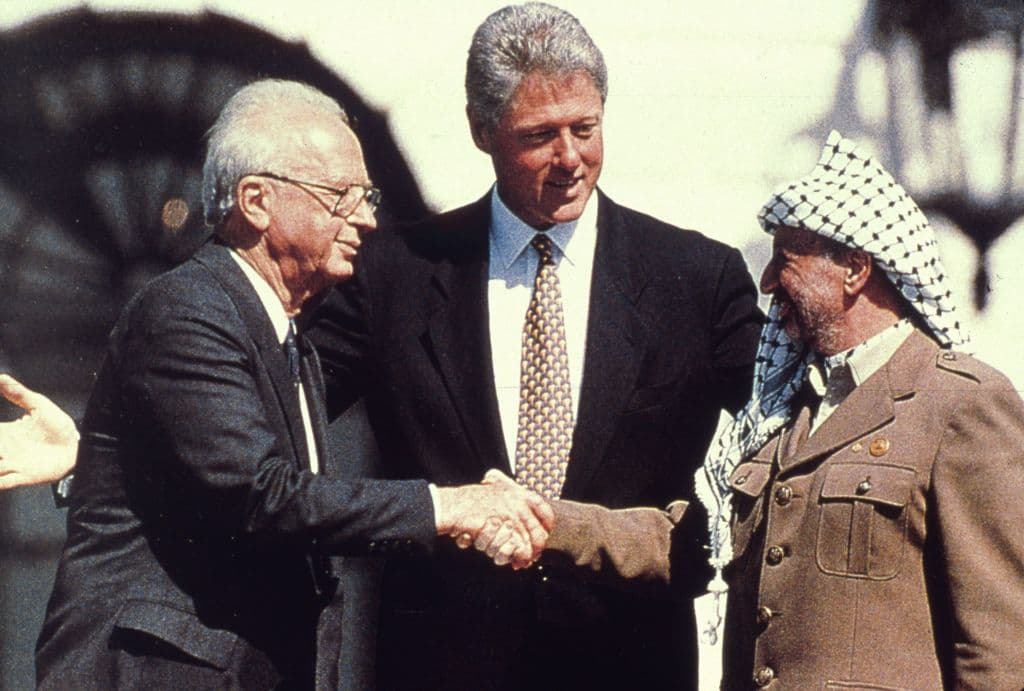
From left to right, Prime Minister Yitzhak Rabin, President Clinton, and Yasser Arafat outside the White House after the signing of the Oslo Accord in 1993. MPI/Getty Images)

For 30 years, the world waited for the Palestinian leadership to choose statehood over martyrdom. The West got tired of waiting.

Although Prime Minister Benjamin Netanyahu may have wished the Oslo Accords dead from the moment they came into being, and with good reason, he didn’t kill them. He didn’t have to. That honor belongs to Prime Ministers Keir Starmer, Anthony Albanese, and Mark Carney.

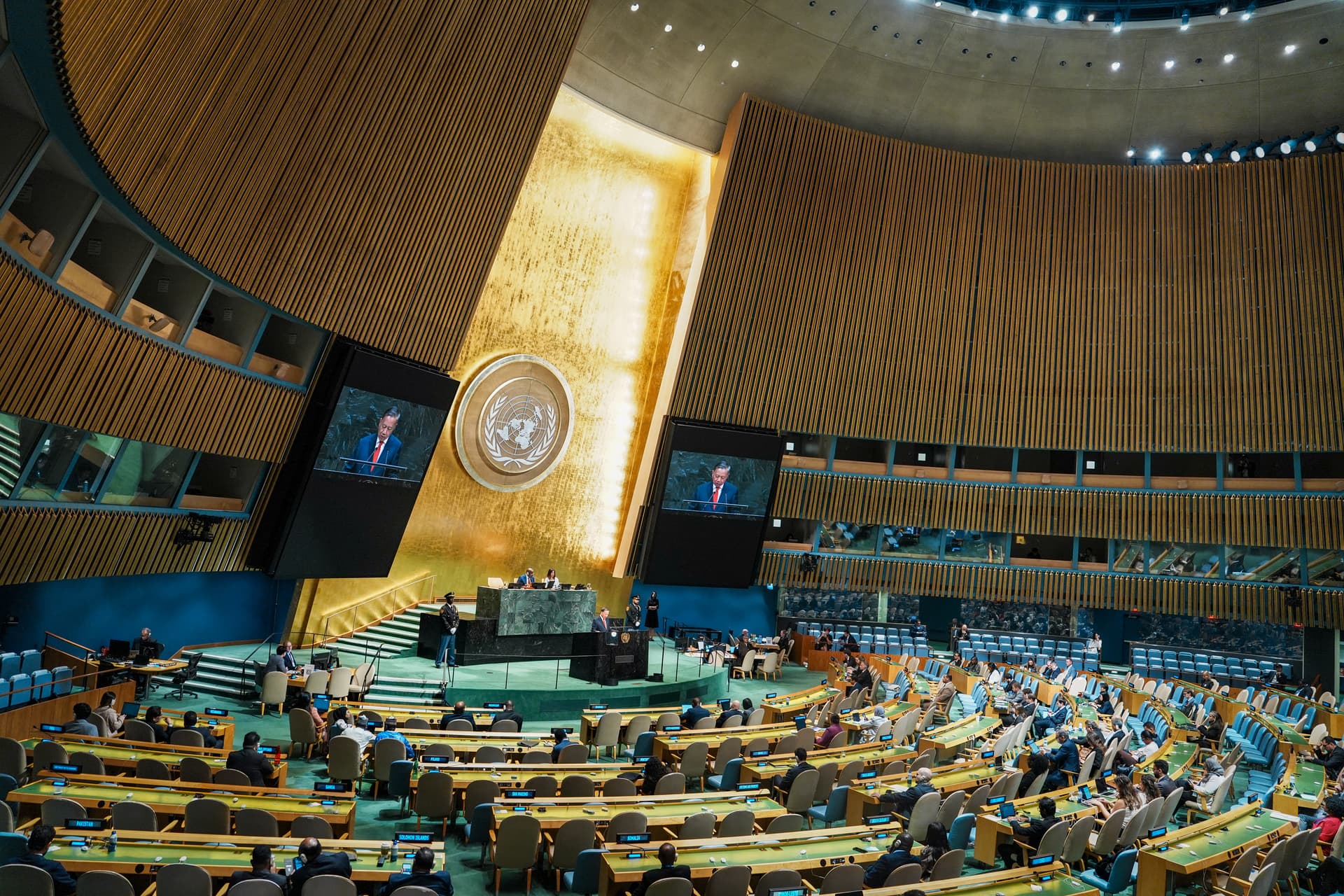
Oslo did not die at Jerusalem. Or Ramallah. After years on life support, it finally flatlined at New York on the eve of Rosh Hashanah, September 21, 2025.

It was smothered by leaders so devoted to its ends, they destroyed its means. 

Oslo required that Palestinian statehood be realized only through direct, bilateral negotiations. It was always a bad deal. Israel hoped. The West insisted. A wager that grievance would give way to governance, in exchange for land that never should have been on the table. Yet the Palestinian Authority had neither the capacity nor the intention to deliver.

Taking cover behind President Emmanuel Macron’s July pledge to recognize a Palestinian state, and in consultation with Mahmoud Abbas, Mr. Starmer and his Commonwealth counterparts cherry-picked the worst of Oslo, discarding the rest. They recognized a state with no borders and no functioning government while Hamas holds hostages in tunnels and the “moderate” Palestinian Authority pays terrorists to murder Jews. 

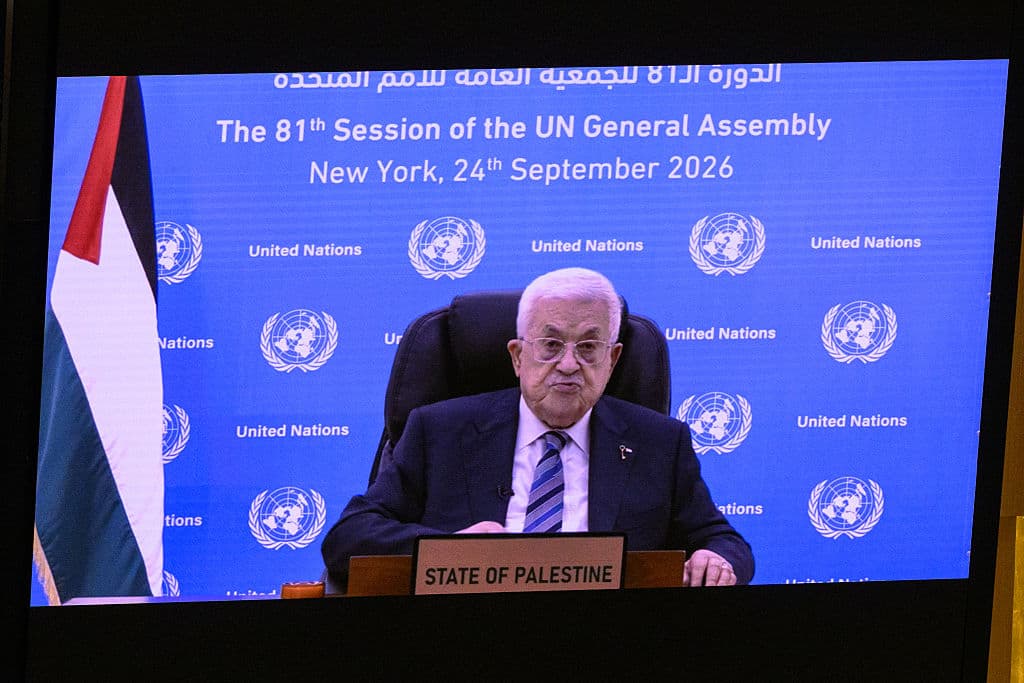
President Trump’s White House refused to join the parade, condemning the recognition campaign and denying Mr. Abbas a visa to address the United Nations. At Washington, at least, principle still counts for something.

London, Ottawa, and Canberra weren’t the first to pursue recognition, and they won’t be the last. Yet these are countries with significant Jewish communities that, until recently, stood firmly in Israel’s corner. Under prime ministers like David Cameron, Stephen Harper, and John Howard, support was anchored in values and national interest. Their successors traded both for symbolism at the worst possible moment.

The next move is Mr. Netanyahu’s. Morally, he has a green light. Strategically, it’s amber. The West sought to dictate Israel’s borders from abroad. Mr. Netanyahu has made clear: unilateral moves will be met in kind. Yet American tolerance and the Gulf states’ calculated ambiguity matter. 

A response is coming. The only question is how far he’ll go.

Annexation, especially of the major blocs and the Jordan Valley, would be a declaration that Israel’s borders may only be drawn from Jerusalem. It would formalize what has long been true: Like East Jerusalem and the Golan Heights, these territories will not be surrendered. 

Momentum is building. In July, the Knesset passed a resolution backing sovereignty over Judea, Samaria, and the Jordan Valley. There’s precedent with Mr. Trump, too: He recognized Israeli sovereignty over the Golan Heights in 2019, breaking with decades of American policy.

This time, Washington has reportedly urged restraint, wary of regional fallout. Yet Mr. Netanyahu knows from experience that if the move is limited and deliberate, America may still look the other way.

American permission, tacit or otherwise, is one thing. Regional response is another. The Emirates, first to sign the Abraham Accords, have called annexation a red line. Saudi Arabia warned it could end the path to normalization. 

The Abraham Accords shattered the long-held myth that regional integration hinged on Palestinian statehood. Annexation would raise the stakes, forcing Arab states to choose between grievance politics at home and the strategic framework they helped build.

Other responses are possible: reclassifying territory, revoking autonomy, shuttering consulates. Yet none carry the same consequence, or the same risk, as a formal assertion of sovereignty. 

Mr. Netanyahu’s White House visit on September 29 will define the stakes for what comes next. Mr. Trump is the only Republican president he has served alongside in two decades as prime minister. Together, they’ve reshaped the regional landscape. 

That partnership has, at most, three years left, with Israel set to face elections in 2026. The Arab states know it. How Israel chooses to act, and how the region responds, will shape the next generation of Middle Eastern diplomacy.

If Israel acts now, while the world’s focus remains elsewhere, while Mr. Trump holds the White House, and while the Gulf states talk tough but quietly deepen security ties, it could lock in the map. 

Oslo is dead, ended by unilateral recognition moves. The West tore up the contract. Now Israel writes the terms.


The New York Sun

© 2025 The New York Sun Company, LLC. All rights reserved.

Use of this site constitutes acceptance of our Terms of Use and Privacy Policy. The material on this site is protected by copyright law and may not be reproduced, distributed, transmitted, cached or otherwise used.

The New York Sun

Sign in or  create a free account

or
By continuing you agree to our Privacy Policy and Terms of Use