
‘Ozempic’ for Pets on the Horizon as New Drug Trial Aims to Tackle Feline Obesity

Experts estimate that roughly six in 10 cats in America are overweight, leading to an uptick in feline diabetes.
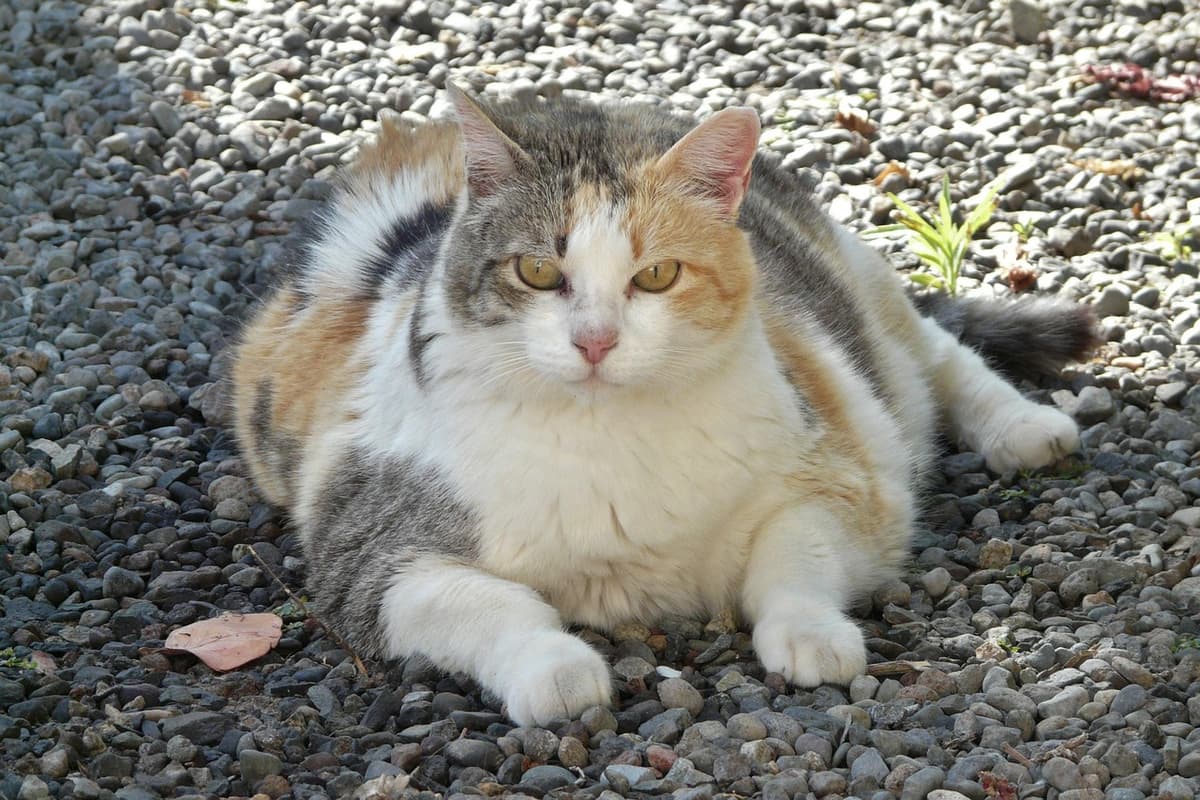
Andreas Almstedt vis Pixabay

A new weight-loss treatment for pets, using the same class of drugs as popular human medications like Ozempic and Wegovy, is now being tested in cats.

The San Francisco-based company OKAVA Pharmaceuticals has launched the world’s first clinical trial of a GLP-1 therapy for pets. The study, called MEOW-1, involves administering an “ultra-long acting” implant to overweight cats to help them shed pounds. The first feline has already been successfully dosed.

The implant, named OKV-119, is a small device inserted under the skin during a routine vet visit. It is designed to deliver a continuous dose of a GLP-1 receptor agonist medication for up to six months, eliminating the need for daily or weekly injections.

According to the company, the technology could have “profound” implications for treating common pet ailments like diabetes, kidney disease, and obesity while also promoting healthy aging and longevity.

The CEO of OKAVA, Michael Klotsman, said the drug aims to offer a new solution beyond traditional diet and exercise. “Caloric restriction, or fasting, is one of the most well-established interventions for extending lifespan and improving metabolic health in cats,” he said in a press release.

“But it’s also one of the hardest to maintain. OKV-119 is designed to mimic many of the physiological effects of fasting — improved insulin sensitivity, reduced fat mass and more efficient energy metabolism — without requiring significant changes in feeding routines or disruption of the human-animal bond that often centers around food,” Mr. Klotsman said.

The issue of pet obesity is widespread. Experts estimate that roughly six in 10 cats in the United States are overweight. The epidemic is a primary driver behind the rising rates of diabetes in both cats and dogs.

“In veterinary medicine for the last 100 years, the only prescription we had was feed less, exercise more, and that just doesn’t work for all types of obesity,” Dr. Ernie Ward, a leading pet obesity expert who is not involved in the study, told CBS News.

Dr. Ward expressed excitement about the potential benefits beyond weight loss, referencing human data that shows GLP-1 drugs improve diabetes risk and long-term health. “That’s why we’re so excited because when we look at, especially in cats, one of the biggest health threats is obesity and then diabetes,” he said, noting that the biggest questions for the trial are the drug’s efficacy, side effects, and final cost.

OKAVA has said it is aiming for the treatment to cost owners around $100 per month.

The MEOW-1 trial will evaluate the safety, tolerability, and efficacy of OKV-119 in 50 overweight or obese cats. Results are expected next summer, and the company hopes to seek FDA approval for use in cats within the next two years, with a similar study for dogs planned to follow.


The New York Sun

© 2025 The New York Sun Company, LLC. All rights reserved.

Use of this site constitutes acceptance of our Terms of Use and Privacy Policy. The material on this site is protected by copyright law and may not be reproduced, distributed, transmitted, cached or otherwise used.

The New York Sun

Sign in or  create a free account

or
By continuing you agree to our Privacy Policy and Terms of Use