Pakistan-Saudi Arabia Mutual Defense Pact Raises Concerns in Mideast — and Could Signal a Weakening of America’s Influence in Region
Some at Delhi are worried that the Saudis are warming up not only to Islamabad but also to Pakistan’s patron, Communist China, which has been significantly tightening trade relations with Saudi Arabia and its Gulf allies.
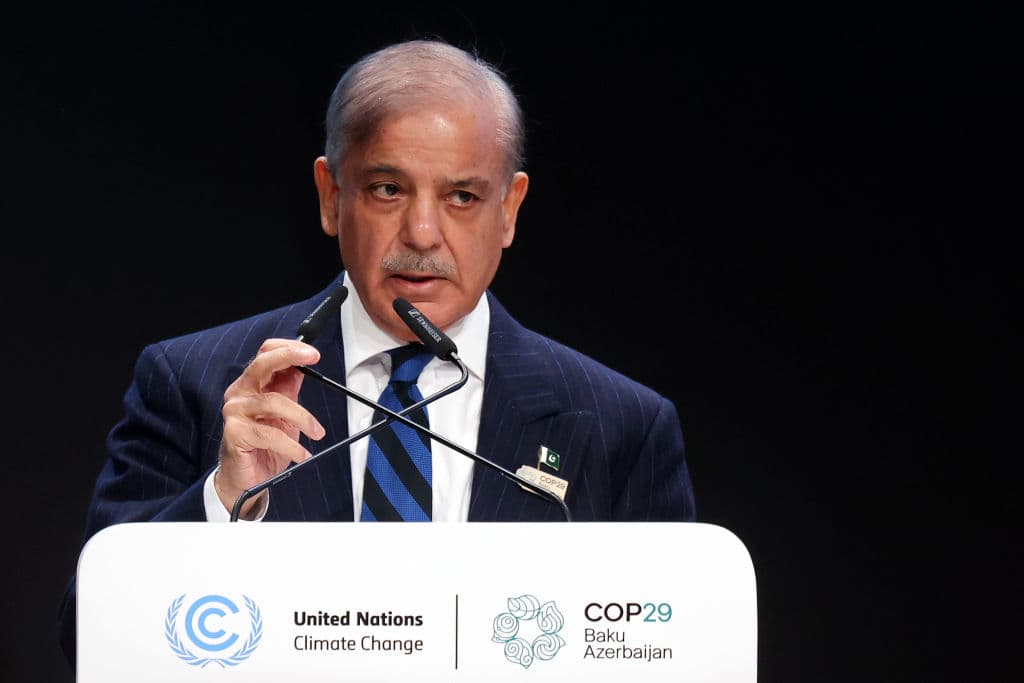
A mutual defense pact that was inked on Thursday between Saudi Arabia and Pakistan is raising concerns in the Mideast, South Asia, and beyond. Should America be worried as well?
When Pakistan first tested a nuclear device in 1998, many suspected that Saudi Arabia financed or otherwise aided the south Asian country’s rush to a bomb. Military ties between the two Sunni countries have developed for decades, and now the nuclear-armed country is formalizing its defense ties with the Arab world’s top power.
“Whoever attacks the Pakistani-Saudi relationship will be dealt with forcefully,” Islamabad’s prime minister, Shehbaz Sharif, said. “When Pakistan became a nuclear power, I was with prime minister Nawaz Sharif in Saudi Arabia. The late King Abdullah held the hand of Nawaz Sharif and said, ‘You are my real brother.’”
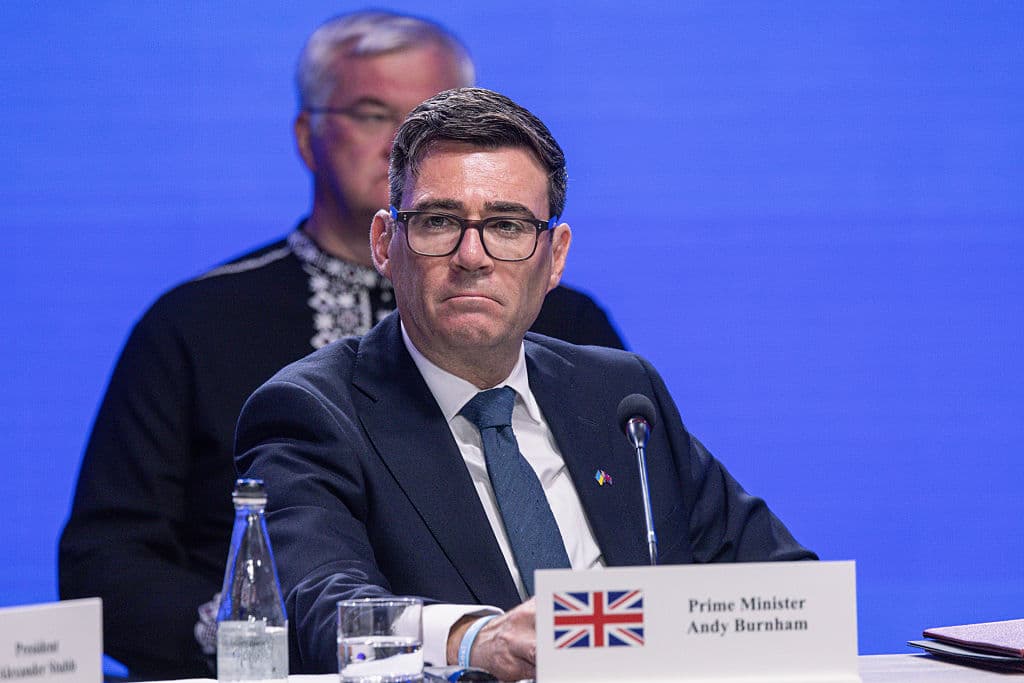
Mr. Sharif on Wednesday was at Riyadh, where the mutual defense pact was signed, even as few details of the agreement were made public. Perhaps symbolically, the agreement came to fruition on the day that Prime Minister Neranda Modi celebrated his birthday. The Indian premier in April visited Riyadh, where he met with Crown Prince Mohammed bin Salman.
Pakistan’s nuclear-armed neighbor and regional rival recently struck Pakistani soil, hitting military targets and terror camps after terrorists from Pakistan butchered tourists in India’s Kashmir. Delhi officials said they were aware that the Saudis and Pakistanis were preparing to formalize their historical ties.
Now some at Delhi are worried that MbS is warming up not only to Islamabad but also to Pakistan’s patron, Communist China. In the last two years Saudi Arabia and its Gulf allies have significantly tightened trade relations with China and have increased investments in Chinese companies developing artificial intelligence and other industries of the future.
“If reports of hundreds of billions of dollars of investment by some Gulf states in Chinese infrastructure and tech are correct, it indicates that Pakistan has convinced them that China is winning Cold War 2.0,” a geopolitical professor at Manipal Academy, Madhav Das Nalapat, tells the Sun.
Some at Washington also worry that the new pact signals an erosion of trust in America as competition heats up with a revisionist Beijing-led bloc.
“Is it an indication of declining confidence in U.S. deterrence and defense on the part of Saudi Arabia and perhaps others?” a former American ambassador to the United Nations, Zalmay Khalilzad, who keeps strong ties in South Asia, writes on X.
Mideast observers say that the pact between two Sunni powers perhaps serves as a signal to the Shiite Islamic Republic of Iran. “The Saudis are indicating to Iran that they have a nuclear umbrella,” a former Western diplomat at an Asian capital says.
In Israel, meanwhile, the Saudi-Pakistani pact is raising new concerns. It “introduces nuclear ambiguity into the Gulf, indirectly complicating Israel’s deterrence environment,” a South Asia watcher at Bar Ilan University, Lauren Dagan Amoss, tells the Sun.
“By elevating Pakistan, a state openly hostile to Israel, Riyadh strengthens its standing in the Islamic world at a time of heightened criticism of Israeli actions,” Ms. Dagan adds. “While Saudi Arabia continues to keep discreet channels open with Israel, the pact signals that Riyadh is hedging its security bets, making future normalization more complex.”
The new agreement, signed by MbS and Mr. Sharif, “aims to develop aspects of defense cooperation between the two countries and strengthen joint deterrence against any aggression,” according to a statement issued at Riyadh and Islamabad. “Any aggression against either country shall be considered an aggression against both,” it says.
Did the two countries sign the pact “in reaction to the Israeli attacking a target in Qatar?” Mr. Khalilzad wonders. Does it “confirm long-standing rumors that the Pakistani nuclear weapons program is unofficially ‘co-sponsored’ by the Saudis? Does the agreement have secret annexes, and if so, what do those say?”
Either way, the former American diplomat and adviser to Republican presidents writes, “Pakistan has nuclear weapons and delivery systems that can hit targets across the Middle East, including Israel. It also is developing systems that can reach targets” in America. And that, he adds, leaves “many questions … dangerous times.”
At Delhi, some are urging President Trump to drop his concerns over India’s ties with Russia and tighten relations with an ally that can serve as a counterweight to an even bigger foe of the world’s democracies. “Someday the White House will get the memo that China is a threat that should bring the U.S. and India closer together, as indeed it did before the tariff tantrums began,” Mr. Nalapat says.