


Ukraine Seeks To Bomb Russia Back to the Analog Age
By JAMES BROOKE
|Thomas Hood was one of the great comics of English poetry, even if his most commonly anthologized poems are in the sentimental or popular vein.
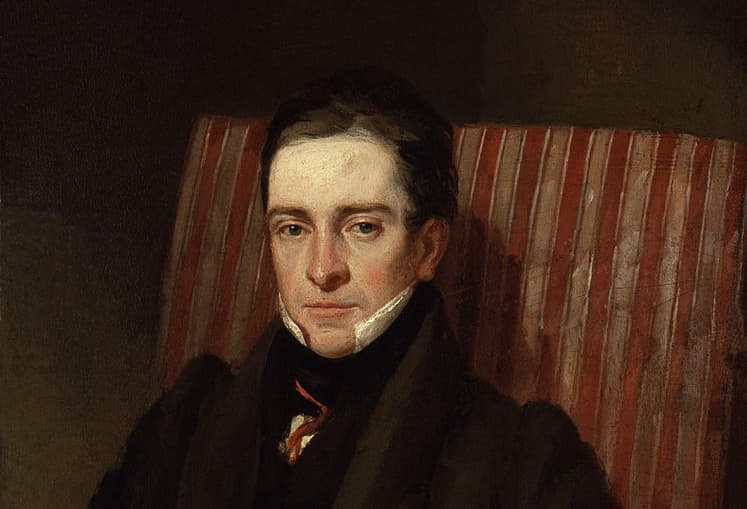
It’s curious that Thomas Hood (1799–1845) should commonly be listed as a comic poet — one of the great comics of English poetry. And yet, at the same time, his most commonly anthologized poems are such sentimental stuff as “I Remember, I Remember” and such popular plaints about the sufferings of the working class as “The Song of the Shirt,” and “The Bridge of Sighs.”
Born on May 23, Hood has his birthday this week, and perhaps it’s worth remembering why he had a reputation for comedy, for one of our lighter Wednesday poems here in The New York Sun. His 1844 poem “No!” is typical of his word play: a run of phrases and words that start with “no.” Yet “Faithless Nelly Gray” remains the model.
By JAMES BROOKE
|
By JOTAM CONFINO
|
By CONRAD BLACK
|
By A.R. HOFFMAN
|
By MATTHEW RICE
|
By CAROLINE DOWNEY
|
By ALEX ZDAN
|
By JOSEPH CURL
|It’s curious that Thomas Hood (1799–1845) should commonly be listed as a comic poet — one of the great comics of English poetry. And yet, at the same time, his most commonly anthologized poems are such sentimental stuff as “I Remember, I Remember” and such popular plaints about the sufferings of the working class as “The Song of the Shirt,” and “The Bridge of Sighs.”
Born on May 23, Hood has his birthday this week, and perhaps it’s worth remembering why he had a reputation for comedy, for one of our lighter Wednesday poems here in The New York Sun. His 1844 poem “No!” is typical of his word play: a run of phrases and words that start with “no.” Yet “Faithless Nelly Gray” remains the model.
Already have a subscription? Sign in to continue reading
Cancel anytime
By continuing you agree to our Privacy Policy and Terms of Service.
Cancel anytime