

Historic Suspensions Imposed on Argentina May Be Lifeline for FIFA’s Embattled President
By GEORGE WILLIS
|This work by John McCrae, in its small way, has an effect as great as any poem. It touched people, and gave them a symbol. Much greater poets have achieved much less.

Published:
Updated:
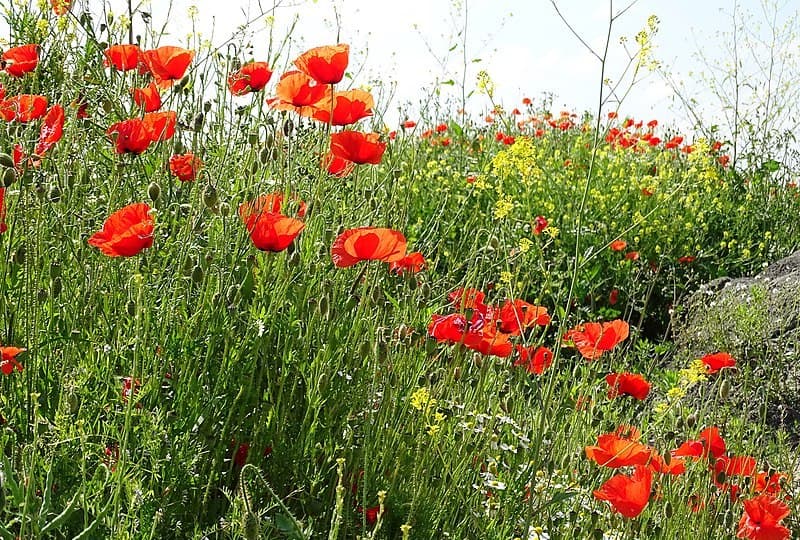
The British wear poppies on Armistice Day because a Canadian doctor wrote a poem that mentions poppies. It’s a small thing, that poppy-wearing, when compared to the horror of World War I, with the trenches and the mustard gas and the murderous machine guns. But in its small way, “In Flanders Fields” has an effect as great as any poem. It touched people, and gave them a symbol. Much greater poets have achieved much less.
John McCrae (1872–1918) was a distinguished doctor from Ontario who had fought in the Boer War. When World War I began, he reenlisted. After the Second Battle of Ypres in 1915, he tended the wounded in a sleep-stripped, horror-laden 17-day marathon that left him nearly ruined — and prompted the best-known poem of the war, written after a friend could not be saved and published in the magazine Punch in 1917. He died in 1918 of a pneumonia his exhaustion would not let him fight off. A minor posthumous collection of his poems appeared after his death.
Written in rhymed tetrameter stanzas of varying length, “In Flanders Field” gains from its lack of high artfulness — in its initial popularity, certainly, but also in our reading now, more than a hundred years later. The two-foot title line, which is the coda to two of the stanzas, is memorable and spare: the right last line to our week of World War I poetry here in The New York Sun.
By GEORGE WILLIS
|
By LUKE FUNK
|
By BRADLEY CORTRIGHT
|
By A.R. HOFFMAN
|
By CARL ROLLYSON
|
By THE NEW YORK SUN
|
By BRADLEY CORTRIGHT
|
By ROSS ANDERSON
|The British wear poppies on Armistice Day because a Canadian doctor wrote a poem that mentions poppies. It’s a small thing, that poppy-wearing, when compared to the horror of World War I, with the trenches and the mustard gas and the murderous machine guns. But in its small way, “In Flanders Fields” has an effect as great as any poem. It touched people, and gave them a symbol. Much greater poets have achieved much less.
John McCrae (1872–1918) was a distinguished doctor from Ontario who had fought in the Boer War. When World War I began, he reenlisted. After the Second Battle of Ypres in 1915, he tended the wounded in a sleep-stripped, horror-laden 17-day marathon that left him nearly ruined — and prompted the best-known poem of the war, written after a friend could not be saved and published in the magazine Punch in 1917. He died in 1918 of a pneumonia his exhaustion would not let him fight off. A minor posthumous collection of his poems appeared after his death.
Written in rhymed tetrameter stanzas of varying length, “In Flanders Field” gains from its lack of high artfulness — in its initial popularity, certainly, but also in our reading now, more than a hundred years later. The two-foot title line, which is the coda to two of the stanzas, is memorable and spare: the right last line to our week of World War I poetry here in The New York Sun.
Already have a subscription? Sign in to continue reading
Cancel anytime
By continuing you agree to our Privacy Policy and Terms of Service.